
When Skin Infections Keep Returning
Recurrent Skin Infections
Repeated boils, folliculitis, cellulitis or infected eczema can occur when the skin barrier remains damaged, bacteria persist on the skin or in the nose, or underlying factors such as chronic swelling, fungal infection or dermatitis are not addressed.
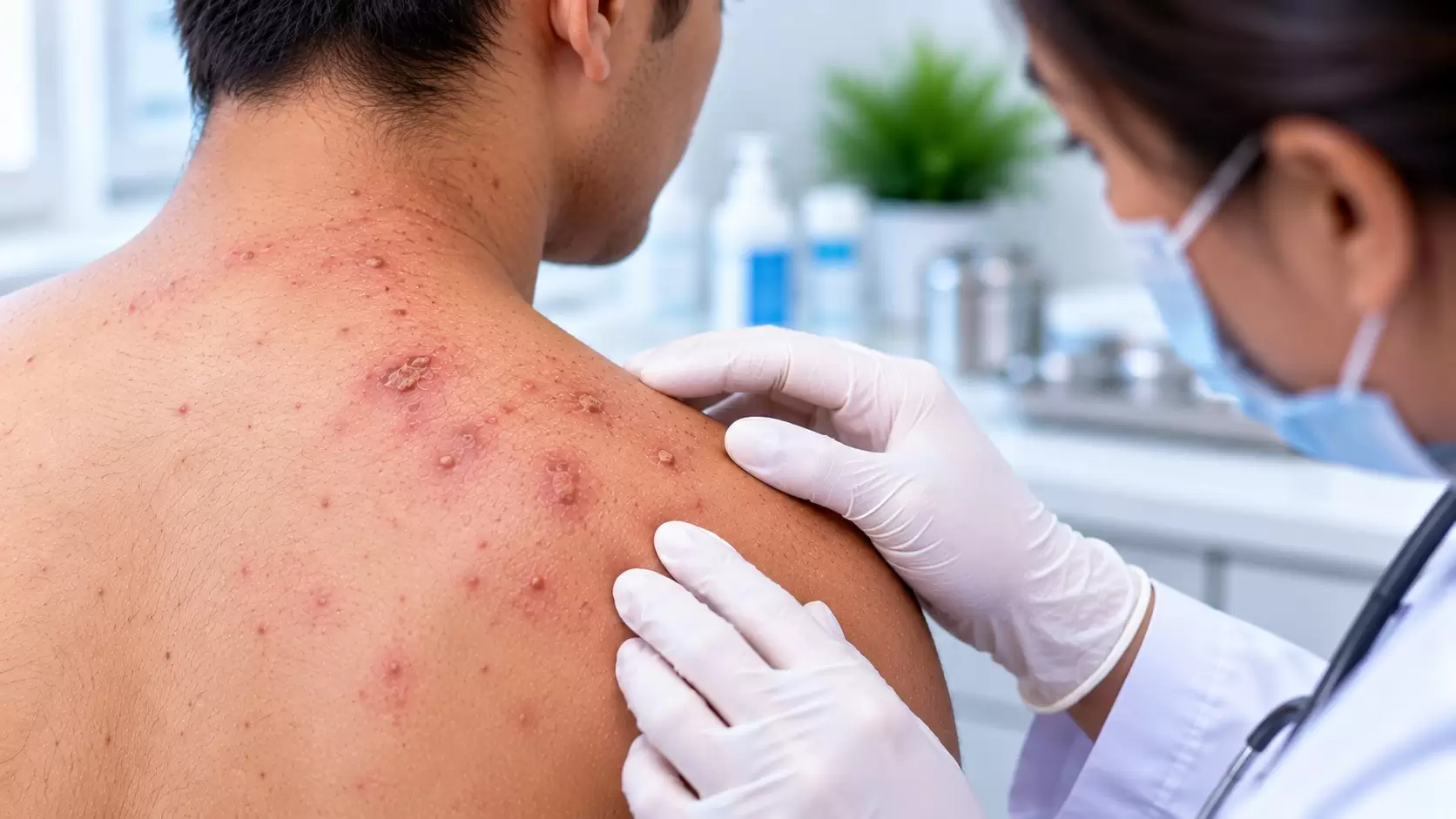
Why do skin infections keep coming back?
Recurrent infection can have several explanations. DermNet notes that bacterial infections can affect normal skin or enter through a compromised barrier such as eczema or a wound. Staphylococcus aureus can also colonise healthy people without causing active disease, particularly in the nostrils and skin folds.
Recurrence therefore does not automatically mean that the previous treatment was “too weak.” The underlying trigger, organism or diagnosis may need to be reviewed.
For the broader infection groups, read Common Types of Skin Infections.
Common reasons for recurrent infections
Damaged skin barrier
Eczema, wounds, fissures and scratching can create repeated entry points for bacteria.
Staphylococcal carriage
S. aureus may colonise the nose or skin without symptoms and can contribute to recurrent boils, folliculitis or other infections in some people.
Chronic swelling
CDC guidance identifies chronic oedema, impaired lymphatic drainage and venous insufficiency as important risk factors for recurrent cellulitis.
Fungal infection
Athlete’s foot can create cracks in the skin and is specifically recognised as a cellulitis risk factor.
Repeated skin trauma
Shaving, friction, occupational exposure and recurrent wounds can repeatedly disrupt follicles or the skin barrier.
Medical risk factors
Diabetes, poor circulation and weakened immune defences can increase susceptibility to some infections and complications.
Recurrent boils and staph infections
Staphylococcus aureus is a major cause of boils, abscesses and folliculitis. DermNet reports that healthy people can carry the organism on their skin without active infection, commonly in the nostrils and flexures.
If boils or abscesses repeatedly return, especially within a household, a clinician may consider bacterial culture and whether persistent carriage is contributing. Recurrent lesions should also be reviewed to make sure another condition is not being mistaken for infection.
Recurrent cellulitis: look for predisposing factors
CDC guidance highlights impaired lymphatic drainage and venous insufficiency as factors that increase the risk of repeat cellulitis. Chronic oedema and underlying skin disease should be addressed as part of prevention.
For people with repeated lower-leg cellulitis, the CDC specifically recommends checking for athlete’s foot and treating it if present. Small cracks between the toes can act as a portal of entry for bacteria.
Could it be fungal rather than bacterial?
Yes. Some fungal and yeast-related conditions can recur in warm, moist areas or when predisposing factors remain. They can also resemble bacterial or inflammatory disease.
If repeated “infection” has not responded as expected to antibiotics, the diagnosis should be reconsidered. See Bacterial vs Fungal Skin Infection.
How recurrent infections are investigated
The investigation depends on the pattern. A dermatologist may examine the distribution and type of lesions, previous treatments, wounds, eczema, fungal infection, swelling, circulation and other health factors.
When bacterial infection is suspected, DermNet notes that a lesion swab can be sent for microscopy, culture and sensitivity testing. This can identify the organism and help guide antibiotic choice when laboratory confirmation is appropriate.
What is decolonisation?
Decolonisation means reducing or eliminating a pathogen being carried on the body, such as S. aureus in the nose or on the skin. CDC guidance describes targeted approaches that can include antiseptic skin treatment and nasal therapy in selected situations.
DermNet also describes decolonisation strategies for frequent staphylococcal skin infections. However, these regimens are not something to start routinely without medical advice: the choice of patient, product, duration and whether household measures are needed depend on the clinical situation.
Should everyone with recurrent infection use antiseptic washes?
No. Decolonisation is not automatically appropriate for every recurrent rash or infection. CDC infection-control guidance notes limitations including recolonisation and antimicrobial resistance, which is why decolonisation is targeted rather than universally used.
Repeated use of strong antiseptics can also irritate the skin, potentially worsening an already impaired skin barrier. Follow a clinician-directed plan if decolonisation is recommended.
Daily measures that can reduce recurrence
Protect wounds
Clean cuts and scrapes and keep open or draining wounds covered with clean, dry dressings.
Wash hands
Good hand hygiene helps reduce bacterial spread, particularly before and after wound care.
Do not share personal items
Avoid sharing towels, razors and other items that directly contact the skin.
Treat skin-barrier disease
Control eczema, fissures and fungal infection so bacteria have fewer entry points.
What about recurrent folliculitis?
Repeated folliculitis can be driven by bacteria, yeast, shaving, friction, heat, sweating or occlusion. The prevention strategy therefore depends on the cause.
Our dedicated guide explains shaving technique, sweat management, grooming-tool hygiene and when bacterial culture or decolonisation may be considered: How to Prevent Recurrent Folliculitis.
When recurrence may indicate another condition
Not every repeated painful bump is a bacterial infection. Acne, hidradenitis suppurativa, inflamed cysts, pseudofolliculitis, fungal disease and inflammatory skin disorders can mimic recurrent infection.
Repeated antibiotic treatment without confirming the diagnosis can delay recognition of the actual condition and contributes to antimicrobial resistance.
When should you see a dermatologist?
Arrange assessment if infections repeatedly return, occur in several household members, leave scars, form deep boils or abscesses, recur despite appropriate treatment, or occur alongside eczema, chronic swelling or other persistent skin disease.
For recurrent infection assessment, visit Skin Infection Treatment in Chennai.
Frequently asked questions
Why do I keep getting bacterial skin infections?
Possible contributors include damaged skin, eczema, wounds, staphylococcal carriage, chronic swelling, poor circulation, fungal infection and certain medical risk factors. The cause varies between patients.
Can staph live on the skin without causing infection?
Yes. Healthy people can carry Staphylococcus aureus on the skin or in the nose without active disease. This is called colonisation.
What tests are used for recurrent skin infections?
Depending on the presentation, a clinician may use a bacterial swab and culture, fungal testing or other investigations while also looking for underlying skin and medical risk factors.
What is staph decolonisation?
It is a clinician-directed strategy to reduce or eliminate staphylococcal carriage from sites such as the nose or skin. It may be considered in selected recurrent infections rather than used routinely for everyone.
Can athlete’s foot contribute to recurrent cellulitis?
Yes. Cracked skin from athlete’s foot can provide an entry point for bacteria. CDC guidance recommends checking for and treating fungal infection in people with repeated lower-leg cellulitis.
When are recurrent skin infections concerning?
Seek medical assessment when infections repeatedly return, form deep abscesses, spread rapidly, cause scarring, fail appropriate treatment or are accompanied by fever or systemic illness.
This article is based on current CDC guidance and dermatologist-reviewed DermNet information on bacterial skin infection, staphylococcal carriage and recurrence.
Visit us in OMR
Skin infections keep returning? Find the cause.
Book a dermatologist consultation at Ram Skin Clinic in Thoraipakkam, Chennai.
#48, Second Floor, Flat E, Best Towers,Okkiampet, Thoraipakkam, OMR,
Chennai – 600097. Above Domino’s Pizza.