
Bacterial infections
Examples include impetigo, folliculitis, boils and cellulitis. Symptoms may include tenderness, warmth, pus, crusting or spreading redness.
Bacterial, fungal & viral skin infections · OMR
Identify the cause. Treat the infection appropriately. Reduce recurrence.
Redness, itching, scaling, pus, blisters, crusting or spreading rashes can have very different causes. At Ram Skin Clinic in Thoraipakkam, OMR, a dermatologist can assess whether a skin problem is bacterial, fungal, viral or inflammatory before choosing treatment.
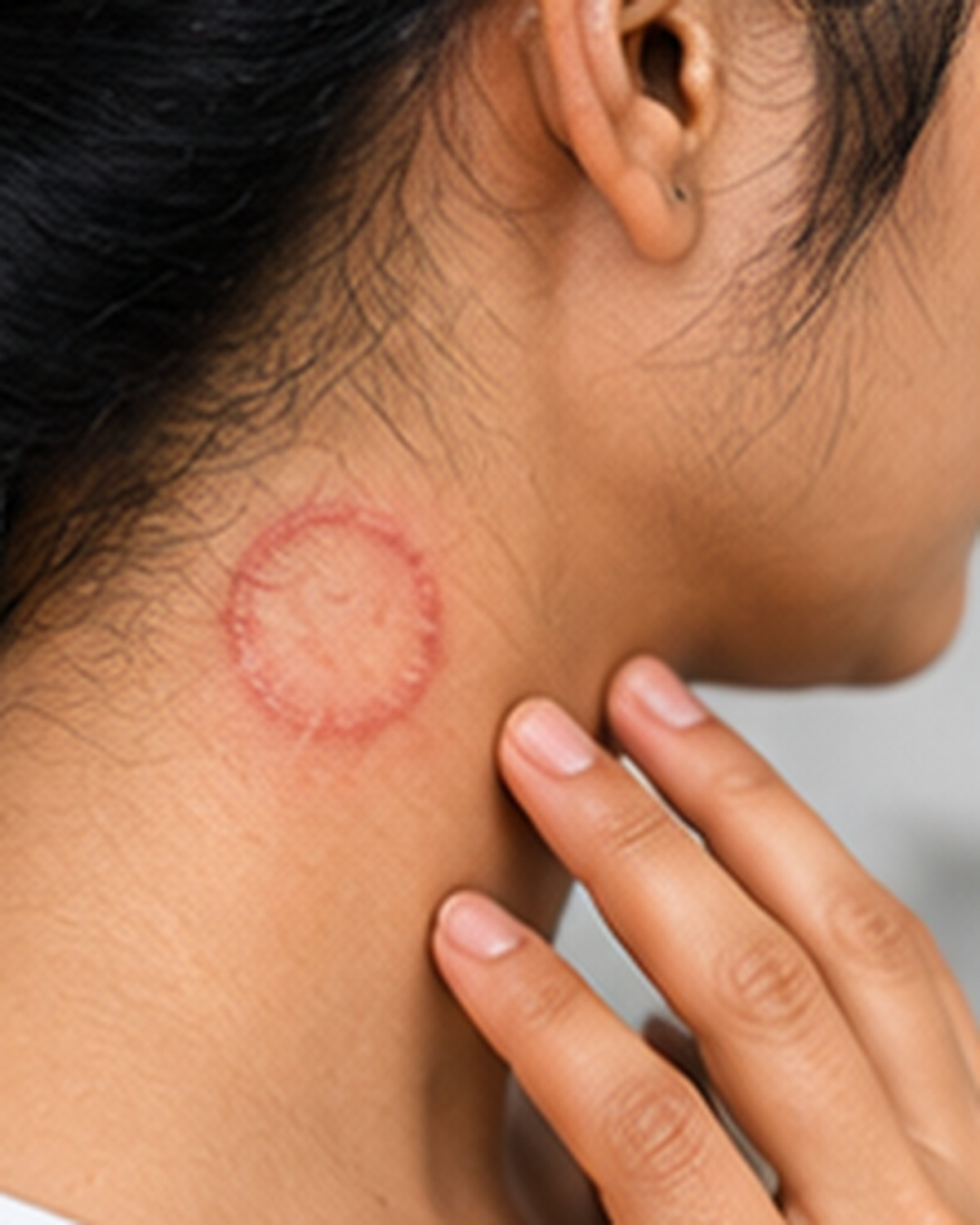
The condition explained
A skin infection occurs when bacteria, fungi, viruses or other organisms affect the skin. Some infections stay superficial, while others can involve deeper tissues or spread more widely.
DermNet’s overview of skin infections explains that risk can increase when the skin barrier is broken, when there is an underlying inflammatory skin disease, or when immunity is reduced.
Common patterns
The appearance depends on the organism, body site, depth of infection and your skin barrier. Similar-looking rashes may need completely different treatment.
Examples include impetigo, folliculitis, boils and cellulitis. Symptoms may include tenderness, warmth, pus, crusting or spreading redness.
Ringworm and other fungal infections may cause itchy, scaly or ring-shaped patches, while yeast can affect moist folds and other susceptible areas.
Warts, herpes simplex, shingles and molluscum are examples of viral skin conditions. Their management differs from bacterial and fungal disease.
Why it happens
Cuts, scratches, shaving, insect bites, friction, moisture, athlete or gym exposure and chronic skin conditions can disrupt the skin barrier. Eczema and other inflammatory conditions can make secondary infection more likely.
Diabetes, immune suppression and certain medicines may also change infection risk or severity. If infections are recurrent, widespread or unusually persistent, those factors may need to be considered.
Contact dermatitis, eczema, psoriasis and drug reactions can sometimes mimic infection. Treating every rash with antibiotics or antifungal creams can delay the correct diagnosis.
Related pages: eczema treatment, psoriasis treatment and folliculitis treatment.
Diagnosis & treatment
Treatment depends on the organism, severity, location and whether the infection is superficial or deeper. A dermatologist may diagnose clinically or recommend a swab, scraping, microscopy, culture or other investigation when needed.
Depending on the diagnosis, treatment may involve antiseptic care or topical or oral antibiotics. Antibiotics should be used only when they are likely to help.
Fungal infections may require topical or oral antifungal medication depending on the site, extent and organism involved.
Some viral conditions settle with supportive care, while others may need antiviral medication or a procedure depending on the diagnosis and severity.
DermNet’s bacterial skin infection guidance notes that swabs and cultures can be useful in selected cases and that antibiotic choice should be guided by the diagnosis and, when relevant, sensitivity results. Antibiotics do not treat viral infections.
Everyday care
Keep affected skin clean, avoid picking or squeezing lesions and do not share towels, razors or personal grooming items when an infectious condition is suspected. Wash hands after touching or treating affected skin.
For recurrent problems, changing sweaty clothes promptly and addressing underlying eczema, dry skin or friction can be important. See our skin care tips for general barrier-care advice.
Tell the dermatologist about recent travel, gym or pool exposure, contact with someone who has a similar rash, pets, new medicines, shaving or waxing, and whether other family members are affected.
If you have already used antibiotic, antifungal or steroid creams, bring the names and how long you used them.
When to seek help
Seek medical attention for rapidly spreading redness, severe pain, swelling, fever, pus, red streaks, a large abscess, facial or eye-area involvement, or infection in someone who is immunocompromised or has poorly controlled diabetes.
Recurrent infections, non-healing sores or rashes that repeatedly return after treatment should also be reassessed rather than treated repeatedly without confirmation of the cause.
Small pustules centred around hairs may be folliculitis. Review our folliculitis treatment in Chennai page.
Persistent rough viral growths may be warts. Our dedicated warts treatment in Chennai page will cover this separately.
Follow-up
At follow-up, the dermatologist may review whether redness, pain, discharge, itching or new lesions are improving. Failure to respond can mean the organism, diagnosis, medication or contributing factor needs to be reconsidered.
Repeated antibiotic exposure without confirmation can contribute to resistance, so persistent disease deserves reassessment rather than automatic retreatment.
Cost depends on the consultation, medicines, any swab, scraping, culture or laboratory testing, and follow-up requirements.
Most uncomplicated superficial infections do not require extensive testing, but your dermatologist will advise when investigations are useful.
Common questions
Because bacterial, fungal and viral infections require different treatment, diagnosis is more important than guessing from appearance alone.
Increasing pain, warmth, swelling, pus, crusting, rapidly spreading redness or fever can suggest infection, but several inflammatory skin conditions can look similar. A dermatologist can assess the pattern.
No. Antibiotics only treat susceptible bacterial infections and will not treat fungal or viral causes. Unnecessary antibiotic use can also contribute to resistance.
Many dermatophyte infections such as ringworm can spread through direct contact or shared items, although the degree of contagiousness depends on the specific infection and site.
Seek prompt medical attention for rapidly spreading redness, severe pain, significant swelling, fever, red streaks, eye or facial involvement, or a large painful abscess.
Your appointment in OMR
Ram Skin Clinic is in Best Towers, above Domino’s Pizza, in Okkiampet, Thoraipakkam, Chennai. Bring details of when the problem started, any fever or pain, medicines already used and photographs showing how the rash changed over time.
If other household members have similar symptoms, mention this during the consultation.
Visit us in OMR
Book a consultation at Ram Skin Clinic in Thoraipakkam, Chennai.
#48, Second Floor, Flat E, Best Towers,
General patient information. Your dermatologist determines individual diagnosis and treatment.