
Fungal nail infection
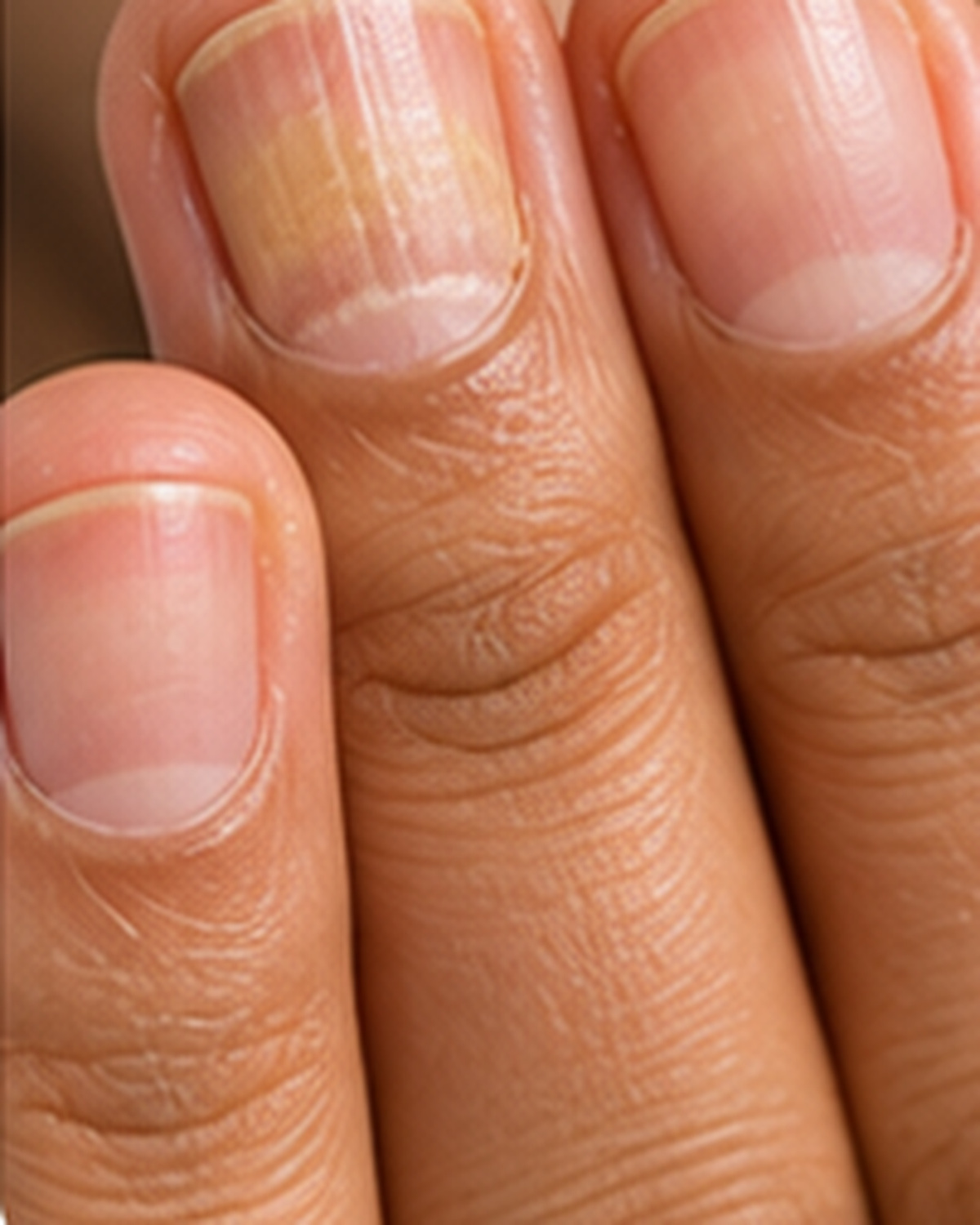
Onychomycosis may cause thickening, yellow or white discolouration, crumbling, separation from the nail bed or debris under the nail.
Nail health assessment · OMR
Discolouration, thickening, splitting, pain or nail-shape changes can have very different causes. Diagnosis comes first.
At Ram Skin Clinic in Thoraipakkam, OMR, nail problems are assessed in the context of the surrounding skin, toes or fingers, medical history, medicines, footwear, occupation and possible infection before treatment is planned.
Why diagnosis matters
Thickened or discoloured nails are commonly blamed on fungus, but trauma, psoriasis, eczema, lichen planus and other nail disorders can look similar. Treating the wrong cause can delay improvement.
The American Academy of Dermatology notes that a dermatologist may examine the nail closely and, when needed, take nail clippings or debris for testing before prescribing antifungal treatment.
Common nail problems
The appearance of the nail plate, nail bed and surrounding skin can provide useful clues.
Onychomycosis may cause thickening, yellow or white discolouration, crumbling, separation from the nail bed or debris under the nail.
Nail psoriasis can cause pitting, thickening, lifting or colour changes. Eczema and lichen planus can also affect nail texture and growth.
Repeated pressure from footwear, sport, manicures or injury can damage nails. Ingrown toenails can cause tenderness, swelling and secondary infection.
Frequent wet work, chemicals, ageing, repeated trauma and some medical or nutritional problems can contribute to brittle nails.
Dark streaks, persistent red or brown areas, or unexplained colour change should be assessed, particularly if new, widening or affecting a single nail.
Assessment
A dermatologist may examine all fingernails and toenails, not just the affected one, and look for changes in the surrounding skin or elsewhere on the body.
Depending on the suspected cause, testing may include nail clippings, scraping, microscopy or culture. If an inflammatory disorder or unusual pigment change is suspected, further testing or biopsy may occasionally be considered.
Nail changes can be part of a broader dermatologic condition. See our pages on psoriasis treatment, lichen planus treatment and skin infections.
Treatment planning
Treatment depends on the diagnosis, number of nails affected, severity, symptoms and medical history. Nail growth is slow, so improvement often takes time even when treatment is working.
Selected cases may be treated with topical or oral antifungal medicine. The choice depends on extent, nail site, test results, other medicines and health factors.
Psoriasis, eczema or lichen planus may need anti-inflammatory treatment directed at the underlying condition rather than antifungal therapy.
Reducing pressure, changing footwear, careful nail trimming and treating inflammation may help. Painful or recurrent ingrown nails may need procedural assessment.
For fungal nails, AAD guidance emphasises confirming the diagnosis because several other nail conditions can mimic fungus. Treatment selection depends on the individual nail pattern and patient factors.
Nail care
Seek assessment sooner for significant pain, swelling, pus, rapidly worsening redness, a new or changing dark streak, persistent bleeding, nail loss after trauma, or nail problems in a person with diabetes, poor circulation or reduced immunity.
If there is surrounding redness, drainage or suspected infection, our skin infection treatment page may also be useful.
Follow-up
Toenails and fingernails grow slowly. A damaged nail may take months to fully grow out, so treatment is often judged by whether healthy new nail is emerging from the base rather than whether the entire nail looks normal immediately.
Consultation & cost
Consultation cost and any additional testing or procedures depend on what is clinically required. A treatment plan is discussed after examination rather than assuming every nail problem needs the same medication.
Contact Ram Skin Clinic for appointment information.
Frequently asked questions
No. Fungal infection is one cause, but trauma, psoriasis, eczema, lichen planus and other nail disorders can produce similar changes. Examination and sometimes testing help distinguish them.
Nails grow slowly, so visible improvement can take several months. Even after the cause is controlled, the damaged nail must grow out before the appearance fully changes.
Yes. Nail psoriasis can cause thickening, lifting, pitting and discolouration. Some patients may also have both psoriasis and fungal infection, which is one reason diagnosis matters.
A new, widening, irregular or unexplained dark streak—especially in a single nail—deserves dermatologic assessment. Trauma and benign pigmentation are common causes, but examination is important.
Not routinely. Because several nail disorders mimic fungal infection, a dermatologist may recommend confirming the likely diagnosis before oral treatment, particularly when prolonged therapy is being considered.
Prepare for your visit
If possible, avoid removing all visible nail changes immediately before the appointment. Bring a list of medicines and supplements, details of prior antifungal or steroid treatments, and photographs showing how the nail changed over time.
Tell the dermatologist about diabetes, circulation problems, immune suppression, psoriasis, eczema, recent injury, sports activity, salon procedures or repeated wet work.
Explore our skin treatments, skin care tips and information about Dr. Anuj Singh.
Nail consultation in OMR
Book a dermatologist consultation at Ram Skin Clinic for assessment of brittle, thickened, discoloured, painful, damaged or persistently abnormal nails.
Medical information on this page is general educational information and does not replace an individual consultation, diagnosis or treatment plan.