
Melasma
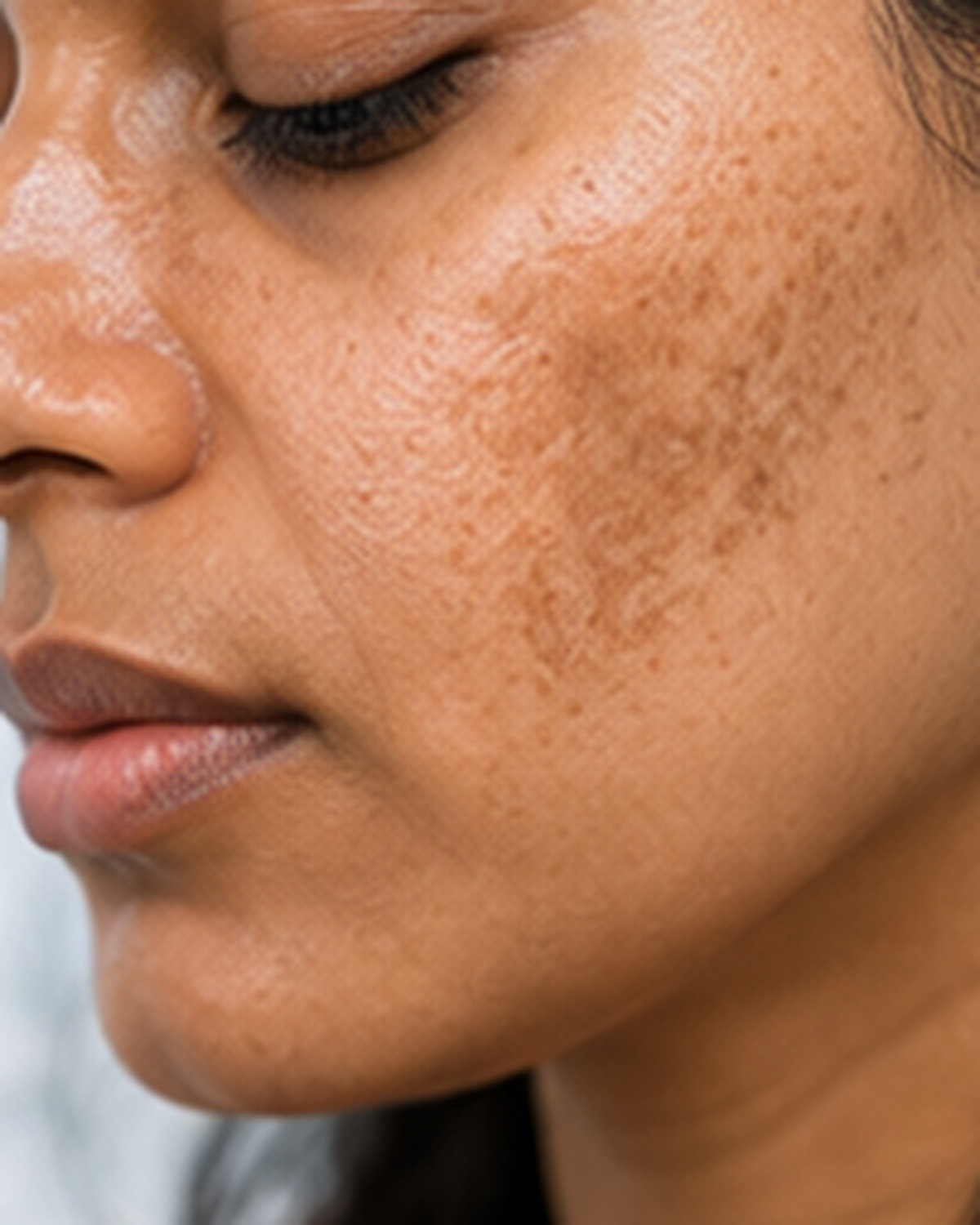
Melasma commonly causes symmetrical brown or grey-brown patches on the face. Sunlight, visible light, hormones and individual susceptibility may contribute.
Pigmentation care · OMR
Dark spots, melasma and uneven skin tone do not all have the same cause. Treatment is more effective when the type and depth of pigmentation are identified before starting creams, peels or procedures.
At Ram Skin Clinic in Thoraipakkam, OMR, pigmentation concerns are assessed by history and skin examination so that treatment can be matched to the diagnosis, skin type and risk of irritation or rebound darkening.
Diagnosis first
Hyperpigmentation means an area of skin looks darker because of increased pigment. Common causes include melasma, post-inflammatory hyperpigmentation after acne or eczema, repeated irritation, sun exposure, medicines and other dermatological conditions.
The American Academy of Dermatology advises that effective treatment starts with identifying and treating the cause of dark spots, especially when inflammation or irritation is still active.
Common patterns
The colour, location, symmetry, duration and relationship to previous inflammation help narrow the diagnosis.
Melasma commonly causes symmetrical brown or grey-brown patches on the face. Sunlight, visible light, hormones and individual susceptibility may contribute.
Dark marks can remain after acne, eczema, psoriasis, injury, insect bites, burns or irritating skin products. Preventing new inflammation is an important part of treatment.
Medication-related pigmentation, contact irritation, acquired dermal pigmentation disorders and other conditions can look similar and may respond differently to treatment.
Sun protection
Ultraviolet and visible light can worsen several forms of pigmentation. DermNet recommends daily broad-spectrum high-SPF sunscreen for exposed pigmentation, while the AAD notes that tinted sunscreen containing iron oxide can be particularly helpful for dark spots in darker skin tones.
Sun protection does not replace diagnosis or medical treatment, but it can reduce ongoing darkening and help prevent relapse.
Treatment options
Pigmentation treatment is usually gradual. Different conditions need different combinations, and over-treating the skin can make pigmentation worse.
Depending on the diagnosis, a dermatologist may recommend agents such as azelaic acid, retinoids, hydroquinone or other pigment-modulating ingredients. Choice, strength and duration should be individualised.
When pigmentation follows acne, eczema, psoriasis or irritation, treating the underlying skin disease is essential. New inflammation can create new dark spots even while older marks are fading.
Chemical peels or other procedures may be considered in selected patients, but they must be used carefully because excessive irritation can trigger more post-inflammatory pigmentation, especially in darker skin tones.
Melasma
Melasma tends to recur because the skin remains sensitive to light and hormonal influences. Treatment may improve pigmentation, but maintenance and consistent sun protection are usually important.
DermNet’s melasma guidance notes that topical treatment and strict photoprotection form the foundation of care, while peels and lasers require caution because they can worsen melasma or cause post-inflammatory hyperpigmentation.
Strong acids, repeated home peels, steroid-containing combinations and frequent product switching can irritate the skin. Irritation itself can increase pigmentation, particularly in medium to darker skin tones.
Bring the creams, serums or home remedies you currently use to your appointment so the full routine can be reviewed.
When to investigate
Most common facial pigmentation is benign, but a dermatologist should review pigmentation that is new, unusual, rapidly changing or associated with other symptoms.
Most pigmentation disorders are diagnosed clinically, but a skin biopsy may occasionally be considered when the diagnosis is uncertain or another condition needs to be excluded.
Follow-up
The AAD notes that some post-inflammatory dark spots can take many months to fade even after the trigger has stopped. Deeper pigmentation may take longer.
Follow-up allows treatment strength, irritation, adherence and response to be reviewed without escalating treatment too aggressively.
Cost depends on the diagnosis, products or medicines required, whether procedures are appropriate and how many follow-up visits are needed.
A treatment plan can be discussed after examination rather than committing to a procedure before the cause is clear.
Frequently asked questions
Common causes include melasma and post-inflammatory hyperpigmentation, but the exact diagnosis depends on the pattern, history and skin examination.
Some dark marks fade completely, while conditions such as melasma can recur. Long-term sun protection and maintenance treatment may be needed.
Yes. Sunlight can darken many pigmentation disorders. Daily broad-spectrum protection helps reduce worsening and supports treatment, especially for melasma and post-inflammatory pigmentation.
They can be useful in selected patients, but peels can also cause irritation and post-inflammatory hyperpigmentation. The type and strength should be chosen according to the diagnosis and skin type.
Inflammation can stimulate increased melanin production, leaving a dark mark after the rash or acne lesion has healed. This is called post-inflammatory hyperpigmentation.
Not without medical advice. Long-term or inappropriate steroid use can thin the skin, cause acne-like eruptions and create persistent colour changes.
Related care
Dark marks often follow other skin conditions, so treating the underlying problem can be as important as treating the pigment itself.
Book an assessment
Bring a list of skin products, medicines and previous treatments you have tried. If possible, note when the pigmentation started and whether it followed acne, eczema, pregnancy, sun exposure or a new medicine.

This page provides general educational information and is not a substitute for diagnosis or personalised medical advice.