
Mole Removal & Healing
Does Mole Removal Leave a Scar?
Any procedure that cuts or wounds the skin can leave a scar. The final appearance depends on the removal method, mole size and depth, body site, wound tension, aftercare and your individual tendency to scar.
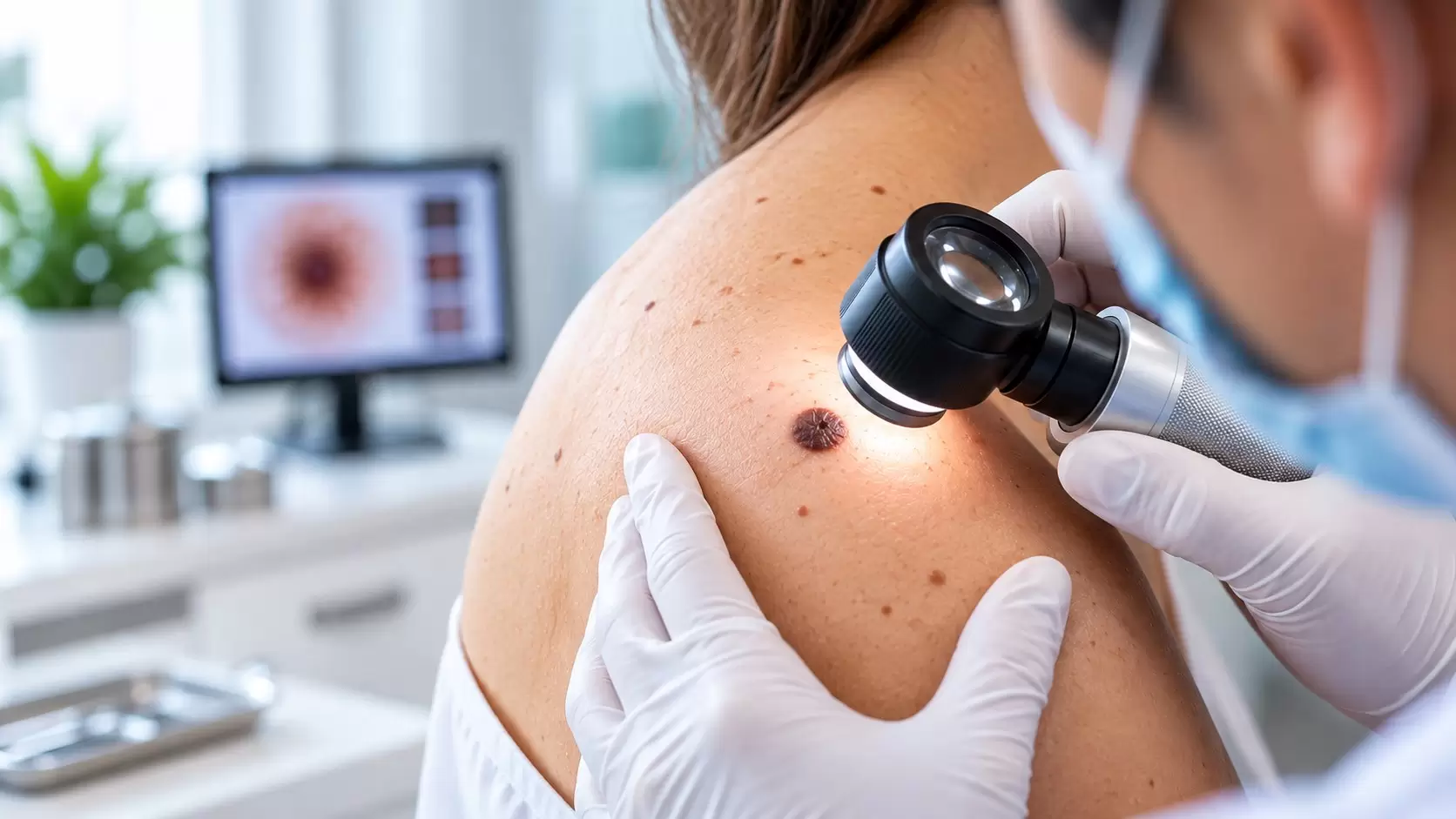
Many people considering mole assessment and removal in Chennai understandably ask what the skin will look like afterwards. The American Academy of Dermatology notes that any time skin is wounded there is a risk of scarring, while DermNet states that complete surgical excision cannot be performed without leaving some form of scar.
Why does a scar form?
A scar is part of normal wound healing. After a mole is removed, the body repairs the defect by producing new tissue, including collagen. Early scars may appear pink, red, darker or lighter than surrounding skin and can feel firmer before gradually maturing.
Scar appearance varies considerably. A small superficial wound in a low-tension area may become subtle, whereas a deeper excision, a larger lesion or a wound on a high-tension site may produce a more visible line or mark.
How removal method can affect the scar
Surgical excision
The entire lesion is cut out, and the wound is commonly closed with stitches. This usually leaves a linear scar. Excision can be important when complete removal and histopathological assessment are required.
Shave removal
A protruding mole may sometimes be removed tangentially with a surgical blade. The wound may heal without stitches, but it can leave a flat, pale, darker or slightly depressed mark. Some lesions may recur if deeper mole cells remain.
There is no single method that gives the least visible scar for every mole. The correct approach depends on whether the lesion is confidently benign, its shape and depth, its location and whether pathology is needed. Read our guide to mole removal methods for a fuller comparison.
What affects how noticeable the scar becomes?
- Size and depth: larger or deeper wounds generally require more tissue repair.
- Location: the chest, shoulders, upper back and other high-tension areas may scar more prominently in susceptible people.
- Personal scar tendency: some people are more prone to hypertrophic or keloid scars.
- Infection or wound breakdown: complications can interfere with normal healing and may worsen the final scar.
- Sun exposure: healing skin can develop more noticeable pigment change after ultraviolet exposure.
- Aftercare: following the dermatologist’s wound-care instructions helps create favourable conditions for healing.
If you have previously developed thick or raised scars, tell your dermatologist before a procedure. Ram Skin Clinic also provides dedicated keloid assessment and treatment in Chennai.
Can a dermatologist guarantee no scar?
No. Claims of “scar-free” mole removal should be treated cautiously. The aim is to choose an appropriate technique, perform the procedure carefully and manage the wound correctly so that the scar can heal as favourably as possible.
Trying to cut, burn or chemically remove a mole at home can cause infection, uncontrolled bleeding and unnecessary scarring. It can also delay diagnosis if the lesion is actually a skin cancer. AAD specifically recommends professional assessment and removal rather than DIY methods.
For a changing or unusual mole, start with our guides on when to get a mole checked and normal mole vs suspicious mole. If tissue diagnosis is required, see our overview of skin biopsy in Chennai.
Frequently asked questions
Does every mole removal leave a scar?
Any procedure that wounds the skin has the potential to leave a scar. The visibility varies with the technique, lesion, body site, healing and individual scar tendency.
Is a shave scar smaller than an excision scar?
Not necessarily. Shave and excision wounds heal differently, and the most suitable method depends on the type and depth of the mole and the need for histopathology. A smaller-looking procedure does not automatically mean a better final cosmetic result.
Can a mole grow back after removal?
Recurrence can occur, particularly if mole cells remain after a partial or shave procedure. A mole that returns should be reassessed by a dermatologist rather than removed again at home.
Can I prevent a keloid after mole removal?
No method can guarantee prevention in someone prone to keloids. Tell your dermatologist about previous keloids or thick scars before treatment so the risk can be considered when planning the procedure and follow-up.
Should a suspicious mole be removed just for cosmetic reasons?
A suspicious lesion needs diagnostic assessment first. Depending on its features, the dermatologist may recommend complete excision and histopathology rather than choosing a technique based mainly on cosmetic preference.
Medical references: American Academy of Dermatology — Moles: diagnosis and treatment; DermNet — Excision biopsy of skin lesions.
Visit us in OMR
Concerned about a mole?
Book a consultation at Ram Skin Clinic in Thoraipakkam, Chennai for dermatologist-led mole assessment and advice on whether removal is appropriate.
#48, Second Floor, Flat E, Best Towers,Okkiampet, Thoraipakkam, OMR,
Chennai – 600097. Above Domino’s Pizza.