
Chemical Peel Treatment in Chennai
A dermatologist-guided chemical peel can be used to improve selected concerns such as uneven pigmentation, dull or rough texture, and some types of acne. The right peel depth and formulation depend on your skin, medical history and treatment goal.
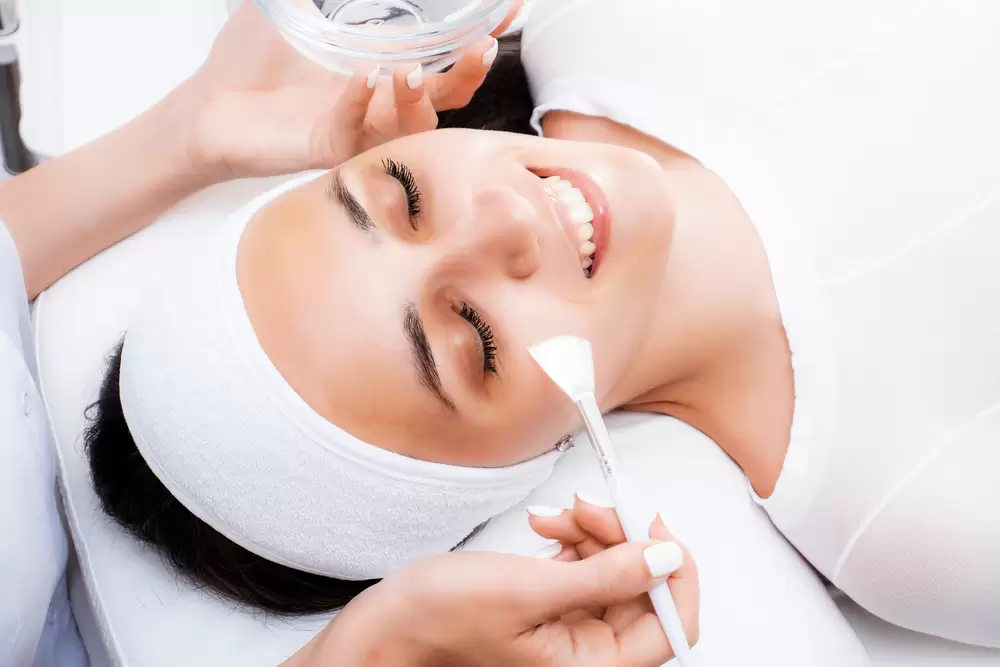
What is a chemical peel?
Chemical peels vary substantially. Superficial peels act closer to the skin surface, while medium and deep peels reach progressively deeper levels and involve greater recovery and risk. The appropriate option cannot be chosen from an online list alone; it depends on the condition being treated, skin tone, previous treatments, medications and the amount of downtime a person can safely manage.
The American Academy of Dermatology notes that dermatologists use chemical peels for concerns including some acne, discoloration, rough-feeling skin, fine lines and sun-damaged skin. It also cautions against unsupervised use of strong at-home chemical peels.
Why assessment matters
At Ram Skin Clinic, the consultation is used to understand what you want to improve and whether a peel is appropriate for that concern. For pigmentation in particular, aggressive treatment can sometimes worsen discoloration, especially in darker skin tones. A conservative, skin-specific plan is therefore more important than simply choosing the strongest peel.
If pigmentation is your main concern, see our dedicated pigmentation treatment in Chennai page. For active acne, you can also read about acne treatment in Chennai.
What concerns can chemical peels help address?
Chemical peels are not a single treatment for every skin concern. Depending on the peel selected and the individual patient, a dermatologist may consider them as part of a plan for the following:
Uneven pigmentation
Selected superficial peels may be considered for uneven tone, post-inflammatory pigmentation and some forms of discoloration. The cause of pigmentation should be assessed first.
Acne-prone skin
Certain peel agents may be used in selected patients with acne-prone or oily skin. Active acne, scarring and pigmentation require different treatment strategies.
Dull or rough texture
Controlled exfoliation can improve the appearance of rough, dull surface skin and may make the complexion appear smoother after healing.
Fine surface lines
Some peels can soften the appearance of superficial lines, although deeper wrinkles usually need a different or combined approach.
Sun-related changes
Certain signs of photodamage may improve with appropriately selected peeling, but suspicious or changing lesions need medical assessment rather than cosmetic treatment.
Acne marks and selected scars
Chemical peeling may form one part of an acne-scar plan. Deeper or textural scars may require procedures such as dermaroller treatment or other modalities.
Chemical peel procedure
The exact protocol varies with the peel. A typical dermatologist-guided process includes the following steps:
Consultation and skin analysis
Your skin concern, skin type, medical history, current products, medicines, previous cosmetic procedures and tendency to scar or pigment are reviewed.
Pre-peel preparation
Some patients may need a pre-peel skin-care plan. The AAD notes that preparation may be advised for a few weeks before certain peels to improve results and reduce side effects.
Cleansing and application
The skin is cleansed and the selected peeling agent is applied in a controlled manner. The clinician monitors the skin response and exposure time.
Neutralisation or completion
Depending on the agent, the peel may be neutralised or allowed to self-neutralise. Post-procedure soothing and protection are then advised.
After-care and review
Moisturising, gentle skin care and strict sun protection are important. Follow-up depends on peel depth, skin response and treatment goal.
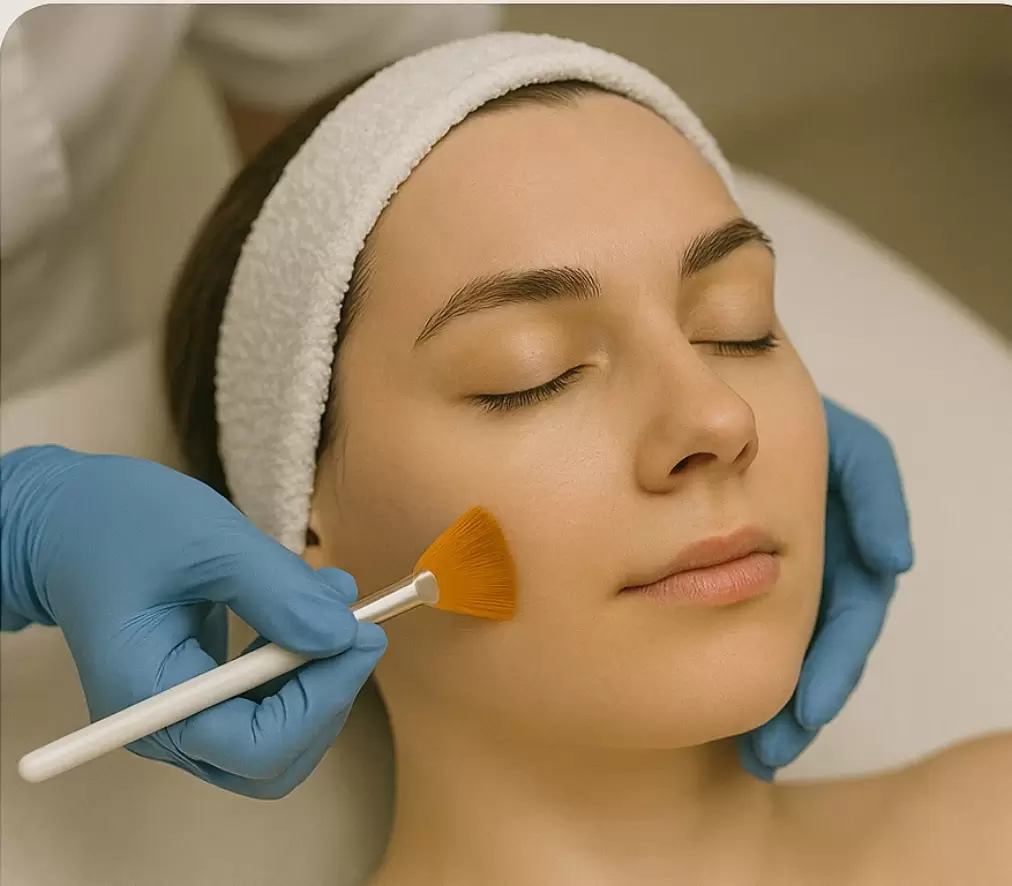
Superficial, medium and deep peels
Superficial peel
Acts near the surface of the skin and generally has the shortest recovery. Multiple sessions may be recommended depending on the indication and response.
Medium-depth peel
Reaches deeper layers and involves more redness, peeling and recovery. Suitability and after-care require closer medical supervision.
Deep peel
Has substantially greater downtime and risk and is not simply a stronger version of a routine superficial peel. It requires careful patient selection and appropriate clinical setting.
Recovery varies with peel depth. The AAD reports that superficial peels can involve redness and scaling over several days, while medium and deep peels can require considerably longer healing and follow-up.
Who should discuss extra precautions before a peel?
A chemical peel should begin with disclosure of relevant medical and skin history. Tell your dermatologist about prescription and non-prescription medicines, recent acne medicines, previous cosmetic procedures, a history of cold sores, abnormal scarring, pregnancy or breastfeeding, and any recent tanning or significant sun exposure.
The AAD specifically recommends discussing current or previous isotretinoin use, medicines, recurrent cold sores, scarring tendency, supplements and prior cosmetic treatments before a peel.
People with deeper skin tones can undergo chemical peeling, but peel selection and technique matter because post-inflammatory hyperpigmentation or unwanted pigment change can occur. The goal is not to make skin lighter; it is to address a defined skin concern safely.
What about home chemical peels?
High-strength peels should not be treated like ordinary skin-care products. The AAD highlights an FDA warning about serious injuries from some at-home chemical peel products and recommends supervision by a trained, licensed provider.
Chemical peel treatment cost in Chennai
There is no single responsible price that applies to every chemical peel. Cost depends on the type and strength of peel, the area treated, whether preparation or follow-up is required, and the number of sessions recommended. Rather than choosing treatment based only on a low advertised price, it is safer to first confirm whether a peel is appropriate for your skin concern.
At your consultation, ask what peel is being proposed, why it suits your skin, expected downtime, possible side effects, after-care requirements and whether alternatives may be more appropriate. These are also consistent with the questions the AAD recommends patients ask before a chemical peel.
Chemical peel FAQs
Is a chemical peel suitable for all skin types?
Not every peel is suitable for every person. Skin tone, sensitivity, the condition being treated, medicines and previous procedures can influence peel selection. A dermatologist should assess these factors before treatment.
How many chemical peel sessions are needed?
It depends on the peel depth, indication and individual response. Some superficial peels are performed as a series, while deeper peels have different treatment intervals and recovery requirements.
Can chemical peels treat pigmentation?
Selected peels may help some forms of pigmentation, but pigmentation has many causes. Incorrectly aggressive treatment can also worsen discoloration, so diagnosis and skin-specific selection matter.
Can a chemical peel help acne scars?
Chemical peeling can be one component of treatment for selected acne scars, but scar type determines the best approach. The AAD notes that acne-scar treatment is often individualised and may combine procedures.
How much downtime is there after a chemical peel?
Downtime depends mainly on peel depth. Superficial peels generally recover faster; medium and deep peels require progressively longer healing and closer follow-up.
What should I avoid after a chemical peel?
Follow your dermatologist’s specific instructions. In general, avoid picking peeling skin, unnecessary sun exposure and products that irritate the recovering skin. Use moisturiser and sunscreen as advised.
Where is Ram Skin Clinic located?
Ram Skin Clinic is in Thoraipakkam, OMR, Chennai. The clinic is led by Dr. Anuj Singh, M.B.B.S., D.D.V.L. Patients can book a consultation to discuss whether a chemical peel or another dermatology procedure is appropriate.
Related skin resources
Pigmentation treatment
Understand dermatologist-led options for uneven pigmentation and dark spots.
Dermaroller treatment
Learn when microneedling-based treatment may be considered for selected texture and scar concerns.
All dermatology treatments
Browse skin, hair, nail and procedure pages from Ram Skin Clinic.
Medical references: American Academy of Dermatology — Chemical Peels Overview, FAQs and Preparation. These references provide general patient education; individual recommendations require clinical assessment.
Let’s talk about your skin concerns.
Book a consultation at Ram Skin Clinic in Thoraipakkam, Chennai to discuss whether a chemical peel is appropriate for your skin and treatment goals.
Okkiampet, Thoraipakkam, OMR,
Chennai – 600097 · Above Domino’s Pizza
78258 33355 · 78259 33355