
Understanding Infectious Skin Conditions
Common Types of Skin Infections
Skin infections can be caused by bacteria, fungi and yeasts, viruses, or parasites. Some remain superficial and localised, while others can spread deeper into the skin or require prompt medical treatment.
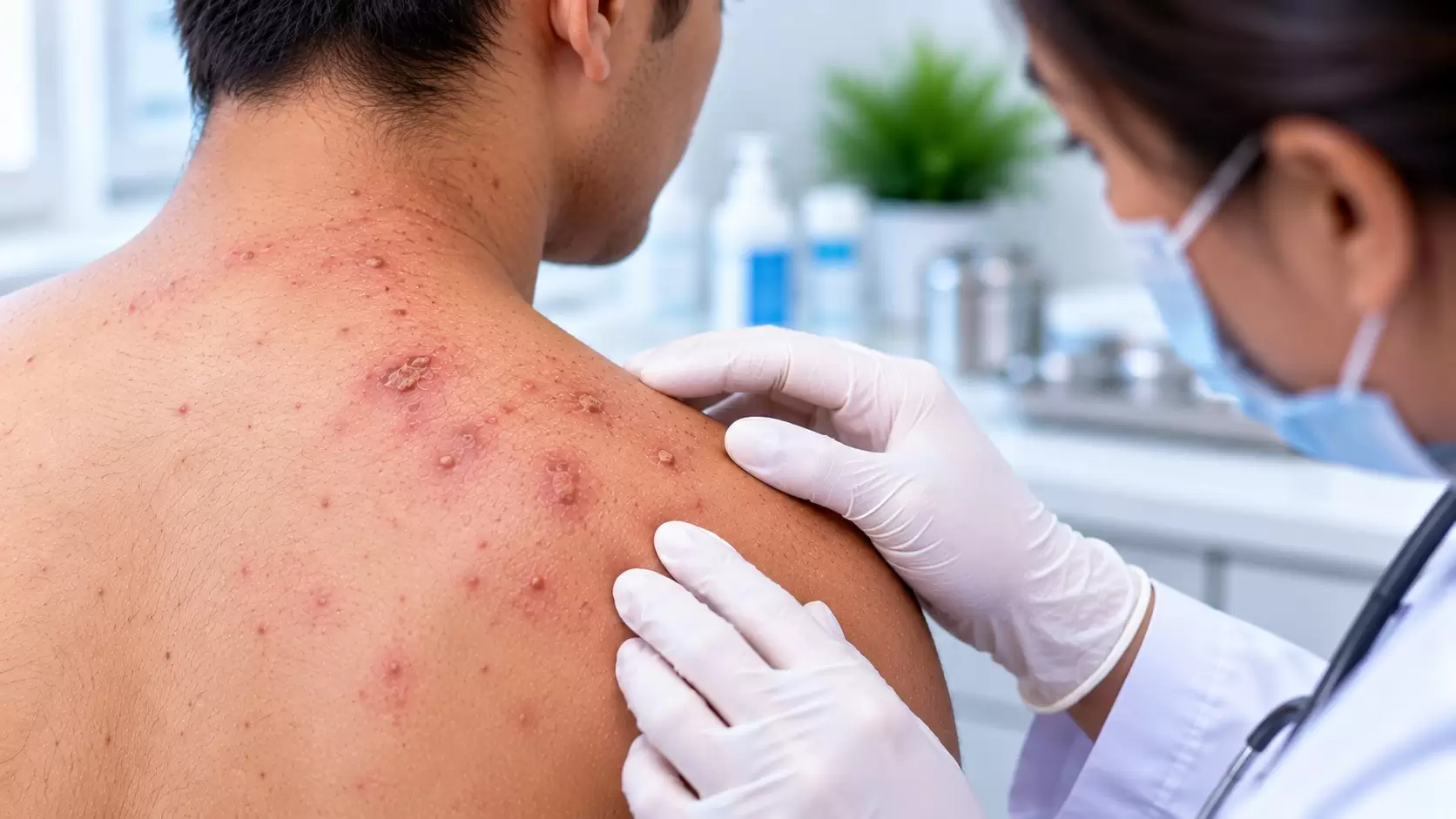
What is a skin infection?
The skin acts as a protective barrier, but microorganisms can sometimes enter through cuts, wounds or an impaired skin barrier. MedlinePlus notes that infections may also occur more readily in moist areas where skin rubs together, in areas with poor circulation, or when immune defences are weakened.
Skin infections range from minor superficial conditions to deeper infections involving larger areas. The appearance alone does not always reveal the cause.
The four major groups of skin infection
1. Bacterial infections
Common examples include impetigo, folliculitis, boils, abscesses and cellulitis. Staphylococcus and Streptococcus species are frequent causes.
2. Fungal & yeast infections
These include dermatophyte infections such as ringworm and athlete’s foot, as well as yeast-related conditions such as candidiasis.
3. Viral infections
Examples include viral warts, herpes simplex, shingles and molluscum contagiosum.
4. Parasitic infestations
Scabies and head or body lice are common examples involving mites or insects rather than bacteria, fungi or viruses.
Common bacterial skin infections
DermNet identifies Staphylococcus aureus and Streptococcus pyogenes among the most common bacterial causes of skin infection. Bacteria can invade normal skin or enter through a compromised barrier.
Impetigo
A superficial and contagious bacterial infection, often associated with characteristic crusted lesions. It is especially common in children.
Folliculitis
Inflammation or infection of hair follicles that often produces small follicular pustules or acne-like bumps. Read Folliculitis Causes & Symptoms.
Boils and abscesses
Deeper bacterial infection can produce painful pus-filled lumps. Some require drainage and medical treatment.
Cellulitis
A deeper bacterial infection involving the skin and underlying tissues. It commonly causes an enlarging area of warmth, swelling, pain and redness or discolouration.
Common fungal skin infections
Fungal skin infections are often superficial and are particularly common in warm, moist areas. Dermatophytes infect keratinised tissues such as the outer skin, hair and nails.
Ringworm (tinea corporis)
A dermatophyte infection of body skin that often produces an enlarging scaly patch or ring-like rash.
Athlete’s foot
Tinea pedis commonly affects the feet, particularly between the toes, and can cause itching, scaling, peeling or fissuring.
Jock itch
Tinea cruris affects the groin and adjacent inner thighs, often producing an itchy, scaly rash.
Candidiasis
Candida yeast can affect moist skin folds and other mucocutaneous sites, particularly when local or systemic risk factors are present.
Common viral skin infections
Viruses can cause localised skin lesions, blistering eruptions or widespread rashes. DermNet lists warts, herpes simplex, herpes zoster and molluscum contagiosum among common localised viral skin conditions.
Viral warts
Warts are caused by human papillomavirus (HPV) and can occur on many body sites. See Warts Treatment in Chennai.
Herpes simplex
Herpes simplex virus can cause recurrent grouped blisters or sores, including cold sores and genital herpes.
Shingles
Herpes zoster results from reactivation of varicella-zoster virus and typically causes a painful blistering eruption in a nerve distribution.
Molluscum contagiosum
A viral infection that produces small, smooth papules, often with a central depression.
Parasitic skin conditions: scabies and lice
Scabies is caused by infestation with a mite and typically produces intense itching and a characteristic rash. Lice are insects that infest hair-bearing or clothing-associated areas depending on the species.
These conditions can spread between people, so diagnosis and appropriate treatment of affected individuals and relevant close contacts can be important.
What symptoms can skin infections cause?
Symptoms vary widely. MedlinePlus lists rash, swelling, redness, pain, pus and itching among symptoms common to many skin infections.
Other clues include crusting, blisters, scaling, warmth, tenderness, drainage, rapidly expanding areas of inflammation or fever. The combination and distribution help a dermatologist narrow the diagnosis.
Who is more likely to develop a skin infection?
Risk rises when the skin barrier is damaged or the body is less able to control microorganisms. DermNet and MedlinePlus identify factors such as wounds, eczema or dermatitis, diabetes, poor circulation, immune suppression and extremes of age.
Warmth, moisture and skin-fold friction can also encourage some infections. Treating underlying inflammatory skin disease and protecting damaged skin can therefore reduce risk.
How are skin infections diagnosed?
Many infections can be recognised from their appearance and clinical history. When the diagnosis is uncertain, testing may include a swab or culture, skin scraping, microscopy, blood tests or occasionally a skin biopsy.
Testing can be especially useful for recurrent disease, treatment failure, unusual infections or when bacterial and fungal conditions look similar.
Why treatment depends on the cause
Different organisms require different approaches. Bacterial infections may require antiseptic or antibiotic treatment; fungal infections use antifungal medicines; selected viral infections may need antivirals; and parasitic infestations require specific antiparasitic therapy.
Antibiotics do not treat fungal or viral infections. DermNet also emphasises antibiotic stewardship because unnecessary antibiotic use can contribute to resistance.
Our next guide will compare bacterial vs fungal skin infections in more detail.
When should you see a dermatologist?
Arrange assessment when a rash is persistent, recurrent, painful, spreading, draining pus, repeatedly returning after treatment or difficult to identify. Earlier evaluation is also appropriate for people with diabetes, poor circulation or weakened immunity.
For diagnosis and treatment, visit Skin Infection Treatment in Chennai.
Frequently asked questions
What are the most common types of skin infections?
Common groups are bacterial, fungal or yeast, viral and parasitic skin infections. Examples include impetigo, folliculitis, cellulitis, ringworm, athlete’s foot, warts, herpes, shingles and scabies.
How can I tell if a rash is bacterial or fungal?
Appearance and location can provide clues, but they can overlap. A clinician may use examination, skin scraping or culture when the diagnosis is uncertain.
Are all skin infections contagious?
No. Contagiousness depends on the organism and condition. Some infections spread readily between people, while others usually require particular exposures or risk factors.
Do all skin infections need antibiotics?
No. Antibiotics treat bacterial infections, not fungal, viral or parasitic conditions. Even some minor bacterial infections may not require systemic antibiotics.
Can eczema increase the risk of skin infection?
Yes. Eczema can disrupt the skin barrier, making bacterial and some viral infections more likely.
When is a skin infection urgent?
Rapidly spreading inflammation, severe pain, marked swelling, fever, chills or significant illness require prompt medical assessment.
This article is based on current patient guidance from MedlinePlus and dermatologist-reviewed information from DermNet.
Visit us in OMR
Not sure what is causing your skin infection?
Book a dermatologist consultation at Ram Skin Clinic in Thoraipakkam, Chennai.
#48, Second Floor, Flat E, Best Towers,Okkiampet, Thoraipakkam, OMR,
Chennai – 600097. Above Domino’s Pizza.