
Understanding Inflamed Hair Follicles
Folliculitis Causes & Symptoms
Folliculitis means inflammation of a hair follicle. It often appears as small acne-like bumps or pustules around hairs and may be itchy, sore or tender. Infection is common, but irritation, shaving, occlusion and other causes are also possible.
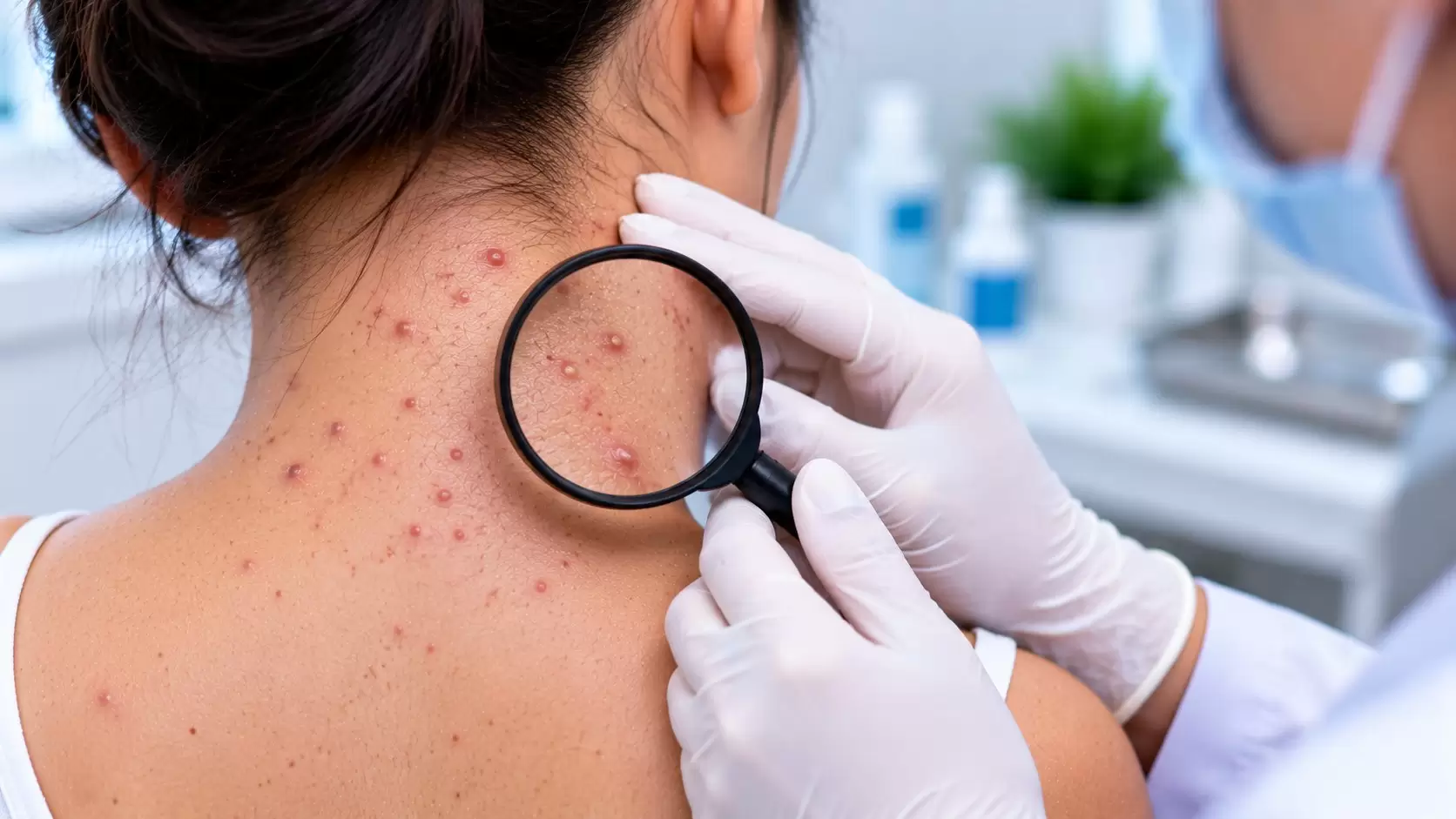
What is folliculitis?
Folliculitis is inflammation involving one or more hair follicles. DermNet describes the typical lesion as a tender inflamed spot, often with a surface pustule. It can occur on most hair-bearing areas of the body, including the scalp, beard area, chest, back, buttocks, arms and legs.
Folliculitis may be superficial, affecting the upper portion of the follicle, or deeper and more painful. Deep bacterial infection of a follicle can develop into a boil.
Common symptoms of folliculitis
Small follicular bumps
Clusters of acne-like bumps can form around individual hairs. The follicular location is an important clue.
Pustules or crusting
Some lesions contain pus and may break open and form crusts.
Itching or burning
Folliculitis can be intensely itchy in some forms, while others cause burning or irritation.
Pain or tenderness
Inflamed follicles can feel sore or tender, particularly when inflammation extends deeper into the follicle.
Mayo Clinic lists clusters of follicular bumps, pus-filled blisters, itching or burning, tenderness and inflamed bumps among typical symptoms.
What causes folliculitis?
There is no single cause. DermNet classifies folliculitis as inflammation that can result from infection, occlusion, irritation or other skin disorders. Mayo Clinic similarly notes bacterial, fungal, viral, parasitic, medication-related and physical causes.
Bacterial infection
Staphylococcus aureus is a common cause. Bacteria can enter follicles after the skin or follicle has been damaged.
Yeast and fungal causes
Malassezia can produce an itchy acne-like folliculitis, commonly on the upper trunk. Other fungi can occasionally involve follicles.
Shaving and hair removal
Shaving, waxing, plucking and regrowing hairs can irritate follicles. Razor bumps can resemble infectious folliculitis but may be caused by ingrown hairs.
Friction and occlusion
Tight clothing, equipment, dressings and products that block follicles can trap heat and sweat and contribute to inflammation.
Bacterial folliculitis and staph
Bacterial folliculitis is commonly caused by Staphylococcus aureus. Staph can normally live on the skin, but damaged follicles provide an opportunity for infection.
Risk increases with shaving, waxing, friction, tight clothing, occlusion, dermatitis, excessive sweating and some chronic health conditions. A superficial infection may appear as small pustules, whereas deeper infection can produce painful boils.
Our next article will compare bacterial vs fungal folliculitis in more detail.
What is hot-tub folliculitis?
Hot-tub folliculitis is associated with Pseudomonas aeruginosa in inadequately maintained hot tubs, whirlpools or heated pools. Mayo Clinic notes that the itchy bumps often appear one to two days after exposure and may be more prominent under areas covered by a swimsuit.
A history of recent hot-tub exposure can therefore be an important diagnostic clue.
Can shaving cause folliculitis?
Yes. Shaving can damage follicles and increase the chance of inflammation or infection. However, not every post-shaving bump is infectious folliculitis. Pseudofolliculitis barbae, commonly called razor bumps, occurs when shaved hairs curve back into the skin and provoke inflammation.
This distinction matters because the prevention and treatment approach can differ.
Where does folliculitis occur?
Folliculitis can develop on almost any hair-bearing skin. Common sites include the scalp, beard and neck, chest, back, buttocks, armpits and limbs. It does not occur on the palms or soles because those areas do not contain hair follicles.
Scalp folliculitis can be particularly itchy and may become sore or crusted. We will cover this separately in Scalp Folliculitis.
Folliculitis vs acne
Folliculitis can look like a sudden acne breakout, which is why the two conditions are easily confused. AAD notes that folliculitis often presents as acne-like spots centred on follicles.
Acne has a different underlying process involving follicular plugging, sebum and inflammation and may include blackheads and whiteheads. If the distinction is unclear, see our upcoming guide Folliculitis vs Acne.
Who is more likely to get folliculitis?
Anyone can develop folliculitis, but risk can increase with repeated shaving or waxing, tight or heat-trapping clothing, excessive sweating, poorly maintained hot tubs, dermatitis and some medicines. Diabetes, immune suppression and other chronic conditions can also increase susceptibility to certain infections.
How is folliculitis diagnosed?
A dermatologist can often recognise folliculitis from the appearance and medical history. When the cause is uncertain or treatment is not working, testing may help distinguish bacterial from yeast or fungal disease.
Mayo Clinic describes possible tests including a skin scraping to look for yeast, a swab for culture, and rarely a skin biopsy when another condition needs to be excluded.
When should you see a dermatologist?
Arrange assessment if folliculitis is widespread, repeatedly returns, becomes increasingly painful, causes deeper lumps, or does not improve after a short period of appropriate self-care. Persistent folliculitis may require treatment tailored to its specific cause rather than an assumed antibiotic or antifungal.
For local assessment, visit Folliculitis Treatment in Chennai.
Frequently asked questions
What does folliculitis look like?
It commonly appears as clusters of small bumps or pustules centred on hair follicles. The spots may itch, burn, feel tender or develop crusting.
What is the most common cause of folliculitis?
Bacterial folliculitis is commonly caused by Staphylococcus aureus, although folliculitis can also result from yeast, fungi, viruses, irritation, occlusion and other causes.
Can shaving cause folliculitis?
Yes. Shaving can damage or irritate follicles. Ingrown hairs can also produce pseudofolliculitis, or razor bumps, which can resemble infectious folliculitis.
Is folliculitis the same as acne?
No. They can look similar, but folliculitis is inflammation of hair follicles from infectious or non-infectious causes, while acne has a different underlying process and commonly includes comedones such as blackheads and whiteheads.
Can folliculitis occur on the scalp?
Yes. Scalp folliculitis can cause small itchy pustules that may become sore and crusted.
When should folliculitis be checked by a dermatologist?
Seek assessment when it is widespread, persistent, recurrent, increasingly painful, forms deeper lesions, or does not improve with appropriate self-care.
For authoritative information, see the American Academy of Dermatology, DermNet and Mayo Clinic.
Visit us in OMR
Recurring folliculitis needs the right diagnosis.
Book a dermatologist consultation at Ram Skin Clinic in Thoraipakkam, Chennai.
#48, Second Floor, Flat E, Best Towers,Okkiampet, Thoraipakkam, OMR,
Chennai – 600097. Above Domino’s Pizza.