
When a Skin Infection Needs Medical Care
Skin Infection Warning Signs
Many skin infections are treatable, but increasing pain, warmth, swelling, rapidly spreading redness or discolouration, pus and fever can indicate a bacterial infection that needs medical assessment. Systemic symptoms can signal a more serious complication.
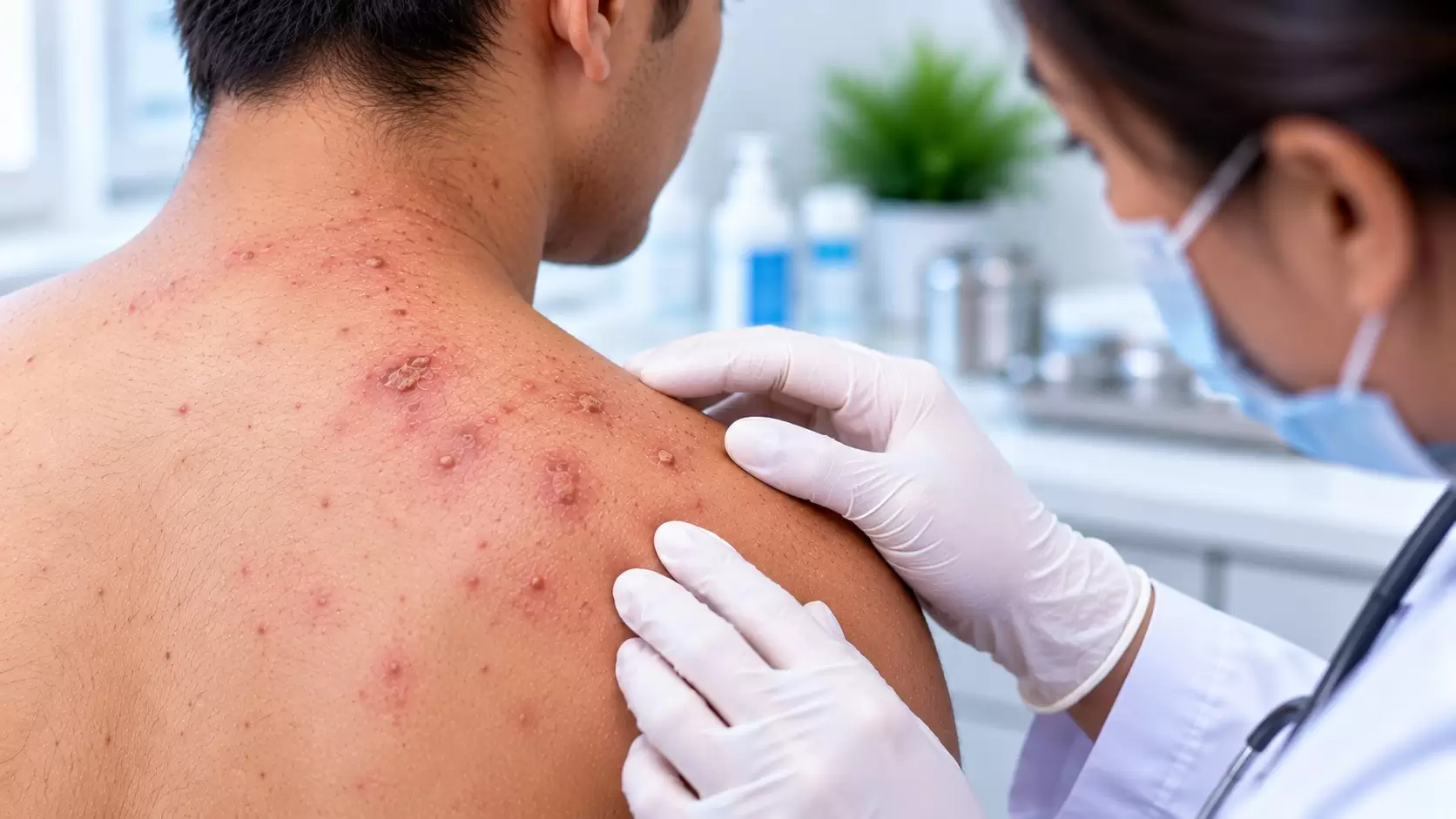
Which skin infection symptoms should you watch closely?
Skin infections vary by cause and depth. A superficial fungal rash may mainly itch and scale, while bacterial cellulitis can cause pain, warmth, swelling and spreading redness or discolouration. The CDC notes that cellulitis can become serious if untreated because infection can spread beyond the skin.
If you are unsure what type of infection you may have, start with Common Types of Skin Infections.
Local warning signs of a worsening infection
Rapidly spreading redness or discolouration
An affected area that is enlarging quickly needs prompt assessment, particularly when it is also painful, warm or swollen.
Increasing pain or tenderness
Progressively worsening pain can indicate deeper or advancing inflammation rather than a stable superficial rash.
Warmth and swelling
CDC guidance lists warmth, swelling, pain and tenderness among typical signs of cellulitis.
Pus or drainage
Drainage or a painful collection of pus may indicate an abscess or another bacterial process requiring medical evaluation.
Blisters or dark/purple change
Blistering or dusky, purple or dark skin changes in a worsening infection are concerning and should be assessed urgently.
Red streaking or swollen glands
Spreading inflammation along lymphatic channels or tender enlarged lymph nodes can accompany bacterial infection.
Fever and chills are important warning signs
Cellulitis may be accompanied by fever, chills and malaise. The CDC advises immediate medical attention when a red or inflamed skin area spreads quickly or when fever or chills develop.
A skin problem accompanied by systemic illness should not be treated as a cosmetic rash or managed solely with over-the-counter creams.
Know the signs of possible sepsis
Sepsis is the body’s extreme response to an infection and is a life-threatening medical emergency. CDC guidance notes that infections leading to sepsis can start in the skin.
When a painful lump may be an abscess
A skin abscess is a collection of pus under the skin. It may appear as a painful, swollen lump and can sometimes drain. Some abscesses require a clinician to drain them; squeezing or cutting them at home can worsen tissue injury or spread infection.
Seek medical assessment for a growing, very painful or recurrent lump, particularly if it is accompanied by spreading inflammation or fever.
Skin infection after a cut, bite or wound
Bacteria can enter through cuts, punctures, bites, ulcers, cracked skin, surgical wounds and other breaks in the skin barrier. CDC cellulitis guidance lists wounds and injuries among common risk factors.
Watch a wound for increasing pain, warmth, swelling, pus or expanding redness/discolouration. A worsening wound should be assessed rather than repeatedly covered without evaluation.
Who should seek medical advice earlier?
Some people have a higher risk of complications or recurrent cellulitis. CDC and Mayo Clinic guidance identifies risk factors including diabetes, weakened immunity, chronic limb swelling or lymphoedema, poor circulation and previous cellulitis.
If you have one of these risk factors, do not wait for a suspected infection to become severe before seeking advice.
Could the rash be fungal rather than bacterial?
Itchy, scaly rashes—especially on the feet, groin or body—may be fungal rather than bacterial. However, fungal infection can damage the skin barrier and create an entry point for bacteria; athlete’s foot is a recognised cellulitis risk factor.
See Bacterial vs Fungal Skin Infection for the main differences.
What if symptoms worsen after starting treatment?
Some treated infections take time to settle, but a rapidly worsening area, increasing pain, new systemic symptoms or failure to improve as expected requires review. Mayo Clinic notes that hospital treatment may be needed when cellulitis is extensive, associated with high fever or does not respond to oral medicine.
When should you see a dermatologist?
Arrange assessment for persistent, recurrent or uncertain skin infections; repeated boils or folliculitis; a rash that has not responded to expected treatment; infections involving hair or nails; or recurring fungal infection. Testing can help distinguish bacterial, fungal and inflammatory causes.
For diagnosis and treatment, visit Skin Infection Treatment in Chennai.
Frequently asked questions
What are the warning signs that a skin infection is getting worse?
Rapid spread, increasing pain, warmth, swelling, pus, blistering, dark or purple skin changes, fever, chills or feeling increasingly unwell are warning signs that need medical assessment.
Is redness around a wound always an infection?
No. Mild inflammation can occur during healing, but expanding redness or discolouration with increasing warmth, pain, swelling or pus is more concerning for infection.
When is cellulitis an emergency?
Rapidly spreading skin inflammation with fever or systemic symptoms needs urgent assessment. Confusion, faintness, fast breathing, fast heartbeat, clammy skin, extreme pain or severe illness are emergency warning signs.
Can a skin infection cause sepsis?
Yes. The CDC notes that infections leading to sepsis can start in the skin. Sepsis is a medical emergency.
Should I squeeze a skin abscess?
No. A painful collection of pus may require professional drainage. Squeezing or cutting it yourself can damage tissue and spread infection.
Who is at higher risk from skin infections?
Risk can be higher in people with diabetes, weakened immunity, poor circulation, chronic swelling or lymphoedema, wounds and a previous history of cellulitis.
This article is based on current CDC, Mayo Clinic and NHS guidance on cellulitis, serious skin infection and sepsis warning signs.
Visit us in OMR
Concerned about a skin infection?
Book a dermatologist consultation at Ram Skin Clinic in Thoraipakkam, Chennai. Severe or rapidly worsening symptoms should be assessed urgently rather than waiting for a routine appointment.
#48, Second Floor, Flat E, Best Towers,Okkiampet, Thoraipakkam, OMR,
Chennai – 600097. Above Domino’s Pizza.