
Reducing Repeat Flare-Ups
How to Prevent Recurrent Folliculitis
Folliculitis can return when hair follicles are repeatedly damaged by shaving, friction, heat, sweat or occlusion, or when an infectious or inflammatory trigger persists. Prevention starts with identifying which factor is driving your own episodes.
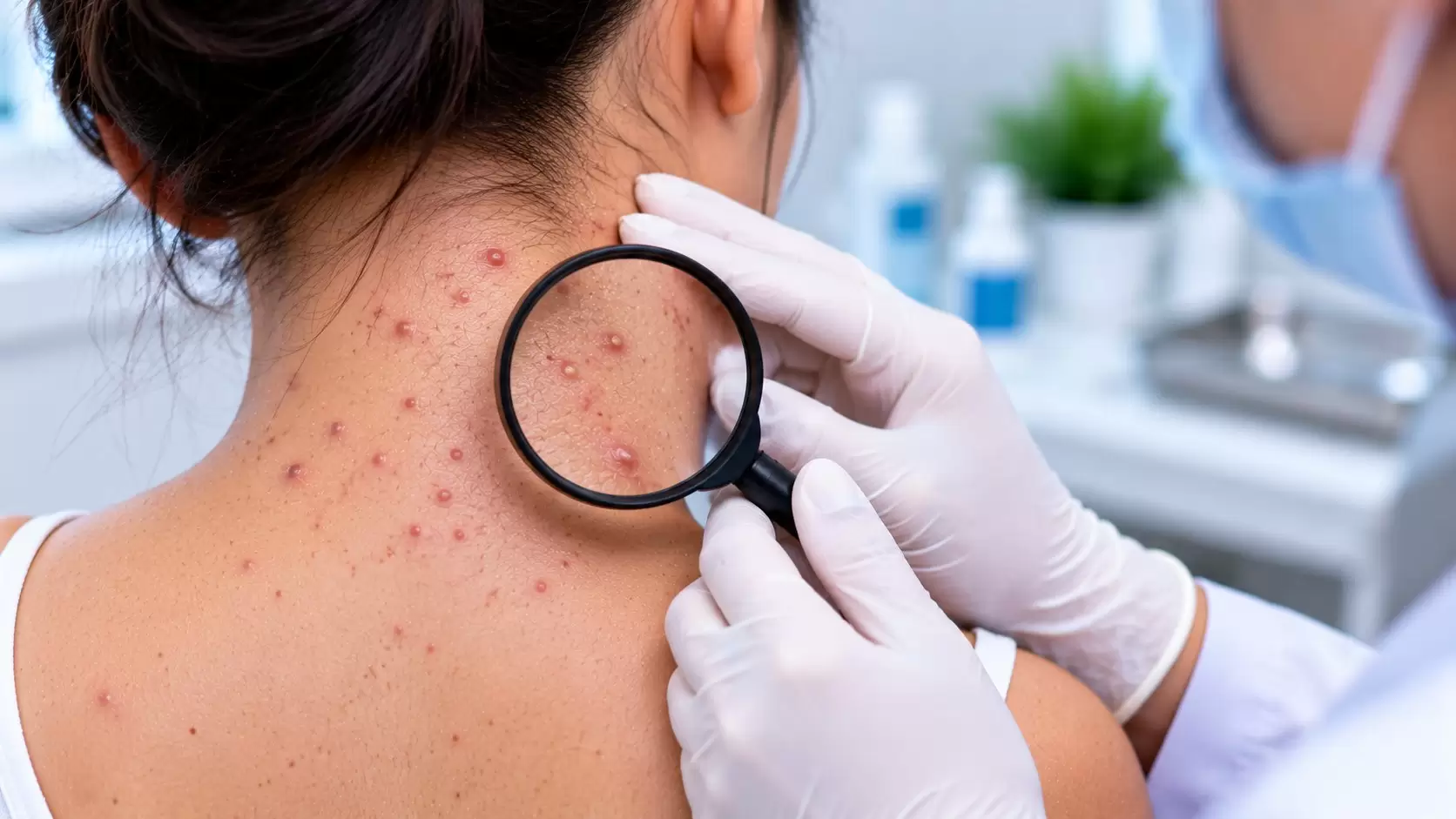
Why does folliculitis keep coming back?
Recurrent folliculitis is not always caused by the same problem. Bacterial infection, yeast-related folliculitis, shaving irritation, ingrown hairs, friction, occlusion, sweating and poorly maintained hot tubs can all produce follicular eruptions.
If the diagnosis is wrong, prevention may fail. For example, repeated antibiotics will not correct shaving-related pseudofolliculitis or Malassezia folliculitis. Start with Folliculitis Causes & Symptoms if you are unsure what folliculitis means.
1. Reduce friction, heat and occlusion
AAD and Mayo Clinic both identify friction, tight clothing, heat and sweat as factors that can damage follicles and encourage folliculitis. Loose, breathable clothing can reduce rubbing in recurrent areas.
After exercise
Change out of tight, sweaty workout clothing promptly and shower rather than remaining in damp fabric.
Equipment and uniforms
Watch for repeated rubbing from helmets, straps, backpacks, boots, gloves or protective equipment.
Occlusive products
Heavy ointments and occlusive products can trigger sterile folliculitis in some people. Choose products appropriate for the affected area.
Excessive sweating
If hyperhidrosis is contributing to repeated flares, treating the sweating itself may form part of prevention.
2. Improve your shaving technique
Shaving, waxing and plucking can damage follicles and are well-recognised triggers. If shaving causes active folliculitis, AAD advises stopping the triggering hair-removal method for a period when possible.
When shaving is necessary, Mayo Clinic recommends shaving less often, softening the skin first, using adequate shaving lubricant, shaving in the direction of hair growth, avoiding an excessively close shave, using a clean sharp blade and avoiding repeated passes over the same area.
3. Keep towels, clothing and grooming tools clean
Mayo Clinic recommends regular skin washing, using clean towels and washcloths and not sharing them. Laundering towels, washcloths and clothing helps reduce opportunities for reinfection.
For recurrent beard folliculitis, DermNet advises disposable razors or regular cleaning of electric shavers. Frequently used equipment that contacts an affected area should also be kept clean and dry.
4. Be careful with hot tubs and heated pools
Pseudomonas folliculitis can follow exposure to inadequately maintained hot tubs, whirlpools and heated pools. Use facilities where disinfectant and pH levels are properly maintained.
After swimming or hot-tub use, shower and change out of the wet swimsuit promptly. Wash the swimsuit before wearing it again.
5. Do not assume every recurrence is bacterial
Folliculitis may be bacterial, yeast-related, irritant or associated with another skin condition. Repeated courses of antibacterial treatment without confirming the cause can be ineffective and may complicate the clinical picture.
Very itchy, uniform bumps on the chest, back or hairline may suggest Malassezia folliculitis, while tender pustules may fit bacterial disease. Read Bacterial vs Fungal Folliculitis.
6. Address underlying skin conditions
Dermatitis and other disorders that weaken or inflame the skin barrier can increase susceptibility to folliculitis. Mayo Clinic also lists excessive sweating and conditions that reduce resistance to infection among risk factors.
Managing these contributors can be more effective than repeatedly treating individual pustules after they appear.
7. What about recurrent staph folliculitis?
Staphylococcus aureus is a common cause of bacterial folliculitis. In repeated episodes, a clinician may take a bacterial swab for culture and sensitivity to confirm the organism and guide treatment.
Mayo Clinic and DermNet describe clinician-directed measures to reduce persistent staphylococcal carriage in selected recurrent cases, including treatment of nasal carriage. This should be medically supervised rather than started routinely at home.
8. Avoid picking and squeezing
Picking follicular bumps damages already inflamed skin and can increase irritation, post-inflammatory marks and the possibility of secondary infection. Deep, painful lesions should not be squeezed at home.
If you are developing boils, abscess-like lumps or draining lesions, arrange medical assessment rather than trying to empty them yourself.
9. Recognise when it may be something else
Acne, pseudofolliculitis from ingrown hairs, hidradenitis suppurativa and several other disorders can resemble recurrent folliculitis. AAD notes that folliculitis can look like acne, while DermNet emphasises that shaving-related irritant folliculitis can occur without infection.
If your “folliculitis” never fully clears, keeps returning in exactly the same pattern, or does not respond to appropriate therapy, the diagnosis should be reviewed. See Folliculitis vs Acne.
10. Keep a simple flare diary
For recurrent disease, note where the lesions occur and what happened during the previous day or two: shaving, waxing, exercise, sweating, tight clothing, hot-tub exposure, new products, medications or occupational friction.
Patterns can make triggers easier to identify and give your dermatologist useful information during assessment.
What if folliculitis keeps returning despite prevention?
Persistent or recurrent folliculitis may require confirmation of the diagnosis. Depending on the presentation, assessment can include bacterial culture, evaluation for yeast or fungal disease and review of shaving, medications, sweating, occlusion and underlying medical conditions.
Scalp recurrences may have their own differential diagnosis; see Scalp Folliculitis.
For persistent or recurrent disease, visit Folliculitis Treatment in Chennai.
Frequently asked questions
Why do I keep getting folliculitis?
Repeated folliculitis can result from shaving, friction, sweat, occlusion, bacterial carriage, yeast-related disease, hot-tub exposure, an underlying skin condition or an incorrect diagnosis.
How can I prevent folliculitis after shaving?
Shave less often if possible, soften the skin first, use shaving lubricant, shave in the direction of hair growth, avoid shaving too closely and use a clean sharp razor.
Should I change towels if I have recurrent folliculitis?
Use clean towels and washcloths and avoid sharing them. Regularly launder clothing and towels that contact affected skin.
Can sweating cause recurrent folliculitis?
Heat, sweat and occlusion can contribute. Changing out of sweaty clothing promptly and managing excessive sweating can reduce follicular irritation in susceptible people.
Why does folliculitis return after antibiotics?
The cause may not be bacterial, the bacteria may persist or recur, or an ongoing trigger such as shaving, friction or bacterial carriage may remain. Recurrent cases may need culture and diagnostic review.
When should recurrent folliculitis be checked by a dermatologist?
Seek assessment when episodes repeatedly return, are widespread or painful, form deeper lesions, cause scarring or hair loss, or fail to improve with appropriate care.
This article is based on current prevention guidance from the American Academy of Dermatology, DermNet and Mayo Clinic.
Visit us in OMR
Folliculitis keeps returning? Find the trigger.
Book a dermatologist consultation at Ram Skin Clinic in Thoraipakkam, Chennai.
#48, Second Floor, Flat E, Best Towers,Okkiampet, Thoraipakkam, OMR,
Chennai – 600097. Above Domino’s Pizza.