
Dermatology Procedures
Radiofrequency Cautery vs Electrocautery
The terms radiofrequency cautery, electrosurgery and electrocautery are often used interchangeably in everyday conversation, but technically they describe different ways of producing a controlled thermal effect in tissue.
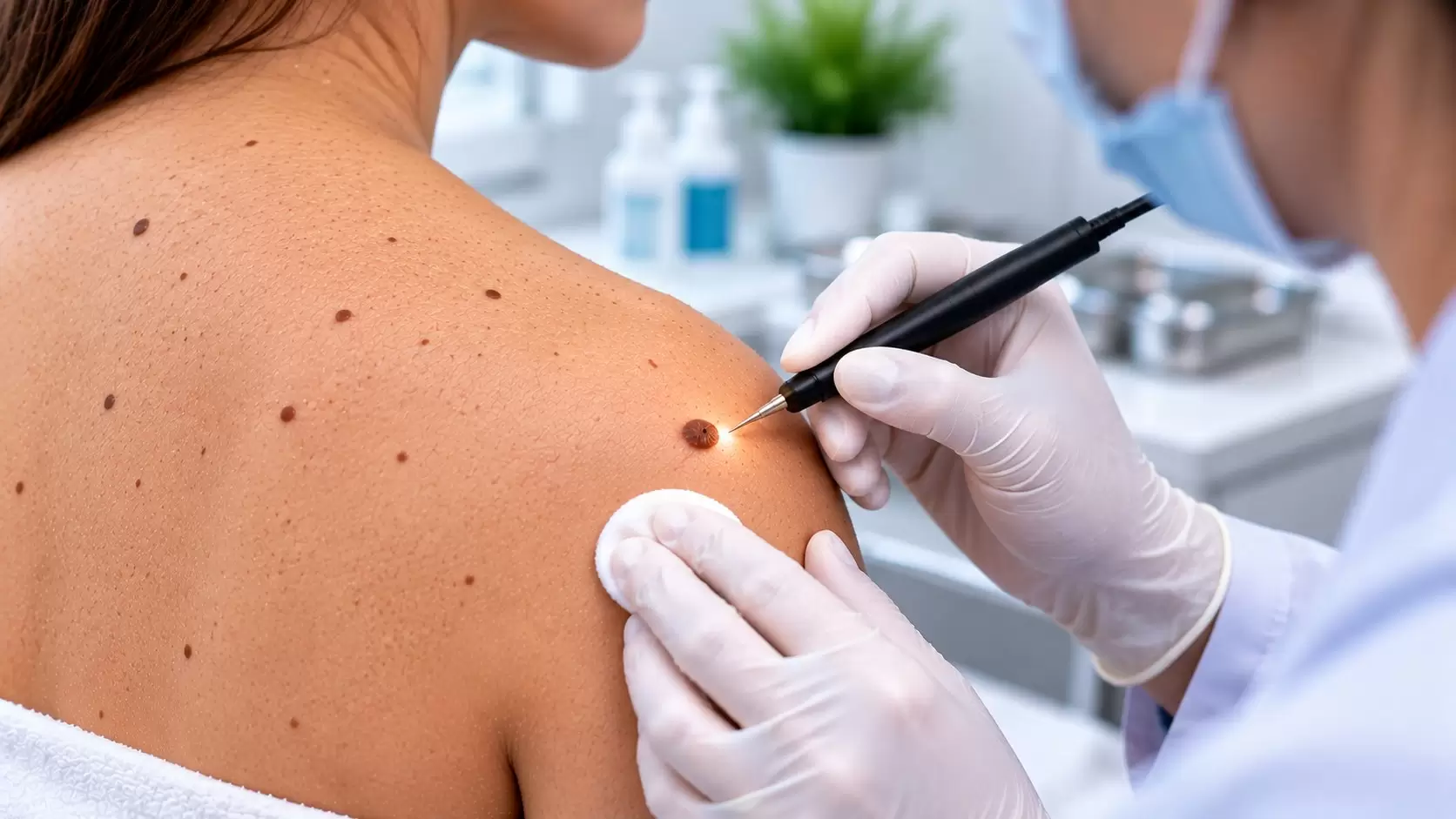
Terminology matters
Why are these procedures often confused?
Dermatology uses several electrical and heat-based techniques for cutting tissue, destroying selected lesions and controlling bleeding. Because the devices can look similar and all can create a thermal effect, the names are sometimes used loosely.
Technically, however, electrosurgery uses high-frequency alternating electrical current that passes through tissue. Radiofrequency surgery is a form of high-frequency electrosurgery. Electrocautery, also called thermocautery, uses electricity only to heat a metal element; the heated tip then acts directly on the tissue.
If you are considering treatment, the practical question is not simply which device has the more familiar name. The dermatologist must first identify the lesion and then select the tissue effect and technique appropriate for it. Read our overview, What Is Radiofrequency Cautery?, or visit our Radiofrequency Cautery in Chennai treatment page.
Side-by-side
Radiofrequency electrosurgery and electrocautery: the key difference
Radiofrequency electrosurgery
High-frequency alternating current passes through tissue. Resistance within tissue converts electrical energy into heat. Depending on waveform and technique, the effect can include cutting, coagulation, desiccation or fulguration.
True electrocautery
Electricity heats a metal wire or tip. The hot instrument transfers heat to tissue. The electrical current itself does not pass through the patient’s tissue.
Tissue effects
What can radiofrequency electrosurgery do?
Electrosurgical systems can produce different effects according to waveform, voltage, current density, electrode design and contact with tissue. Dermatologic applications include electrosection for cutting, electrocoagulation for haemostasis, and electrodesiccation or fulguration for controlled tissue destruction.
This flexibility is one reason radiofrequency electrosurgery is used for selected dermatologic procedures. The specific lesion remains central to the decision. Our guide to Radiofrequency Cautery for Skin Conditions explains examples and why suspicious or diagnostically uncertain lesions may need biopsy rather than immediate destruction.
Electrocautery
How does true electrocautery work?
In thermocautery, electrical energy heats a metal element. The heated tip is then placed against tissue to create a thermal effect. Because the electrical circuit does not pass through the patient’s body, its electrical characteristics differ fundamentally from high-frequency electrosurgery.
DermNet describes handheld and mains-powered cautery devices and distinguishes thermocautery from electrosurgical techniques such as electrodesiccation, electrocoagulation and electrosection.
Both approaches can be useful tools. The appropriate choice depends on the intended effect, lesion characteristics, anatomical site, available equipment and clinician experience rather than a simple claim that one method is universally better.
Safety
Do the techniques have different safety considerations?
Yes. Because electrosurgery passes high-frequency current through tissue, clinicians consider the current pathway and potential electromagnetic interference in patients with implanted electronic devices. A 2021 review in Clinics in Dermatology notes potential electromagnetic interference with devices such as pacemakers, defibrillators, cochlear implants and deep brain stimulators.
True electrocautery does not pass electrical current through the patient, although it still produces heat and therefore has thermal-injury and fire-related considerations. Patients should tell their dermatologist about implanted electronic devices, medical conditions, allergies and medications before a procedure.
Regardless of device, potential dermatologic complications can include pain, bleeding, infection, delayed healing, pigmentary change and scarring. Read our Radiofrequency Cautery Procedure and Radiofrequency Cautery Aftercare guides for more detail.
Clinical decision
Which technique is better?
There is no single answer for every lesion or procedure. Dermatologic treatment is selected according to diagnosis, depth, location, treatment goal, required haemostasis, need for histopathology, patient factors and operator experience.
A lesion that looks like a harmless skin growth may occasionally require diagnostic assessment before destruction. Pigmented, changing, bleeding or otherwise suspicious lesions should be evaluated first. If tissue diagnosis is necessary, a skin biopsy or excisional approach may be preferable.
For a known benign lesion, the dermatologist can then decide whether radiofrequency electrosurgery, thermocautery, cryotherapy, shave removal, curettage, excision or another method is appropriate.
Evidence-based information
Authoritative references
DermNet’s electrosurgery guide distinguishes radiofrequency electrosurgery from thermocautery and describes the major electrosurgical tissue effects. A peer-reviewed review of electrosurgery in dermatology explains the same electrical distinction and discusses device-related safety considerations.
Common questions
Radiofrequency cautery vs electrocautery FAQ
Are radiofrequency cautery and electrocautery the same?
No, not technically. Radiofrequency electrosurgery passes high-frequency alternating current through tissue, while true electrocautery heats a metal tip that transfers heat to tissue without electrical current passing through the patient.
Why do people use the terms interchangeably?
Both techniques create heat and are used in procedures involving tissue destruction or haemostasis, so the terminology is often used loosely. In technical medical usage, their electrical mechanisms differ.
Is radiofrequency always better than electrocautery?
No. The appropriate technique depends on the diagnosis, treatment goal, anatomical site, patient factors, equipment and clinician experience.
Can either technique be used for every skin lesion?
No. Some lesions require biopsy, excision, cryotherapy, medication or another approach. Suspicious or diagnostically uncertain lesions should be assessed before destructive treatment.
What should I tell my dermatologist before electrosurgery?
Tell your dermatologist about implanted electronic devices, relevant medical conditions, allergies and medications. This information helps with procedure selection and safety planning.
Visit us in OMR
Let’s talk about
your skin concerns.
Book a consultation at Ram Skin Clinic in Thoraipakkam, Chennai.
#48, Second Floor, Flat E, Best Towers,Okkiampet, Thoraipakkam, OMR,
Chennai – 600097. Above Domino’s Pizza.