Dermatology Procedures
Radiofrequency Cautery for Skin Conditions
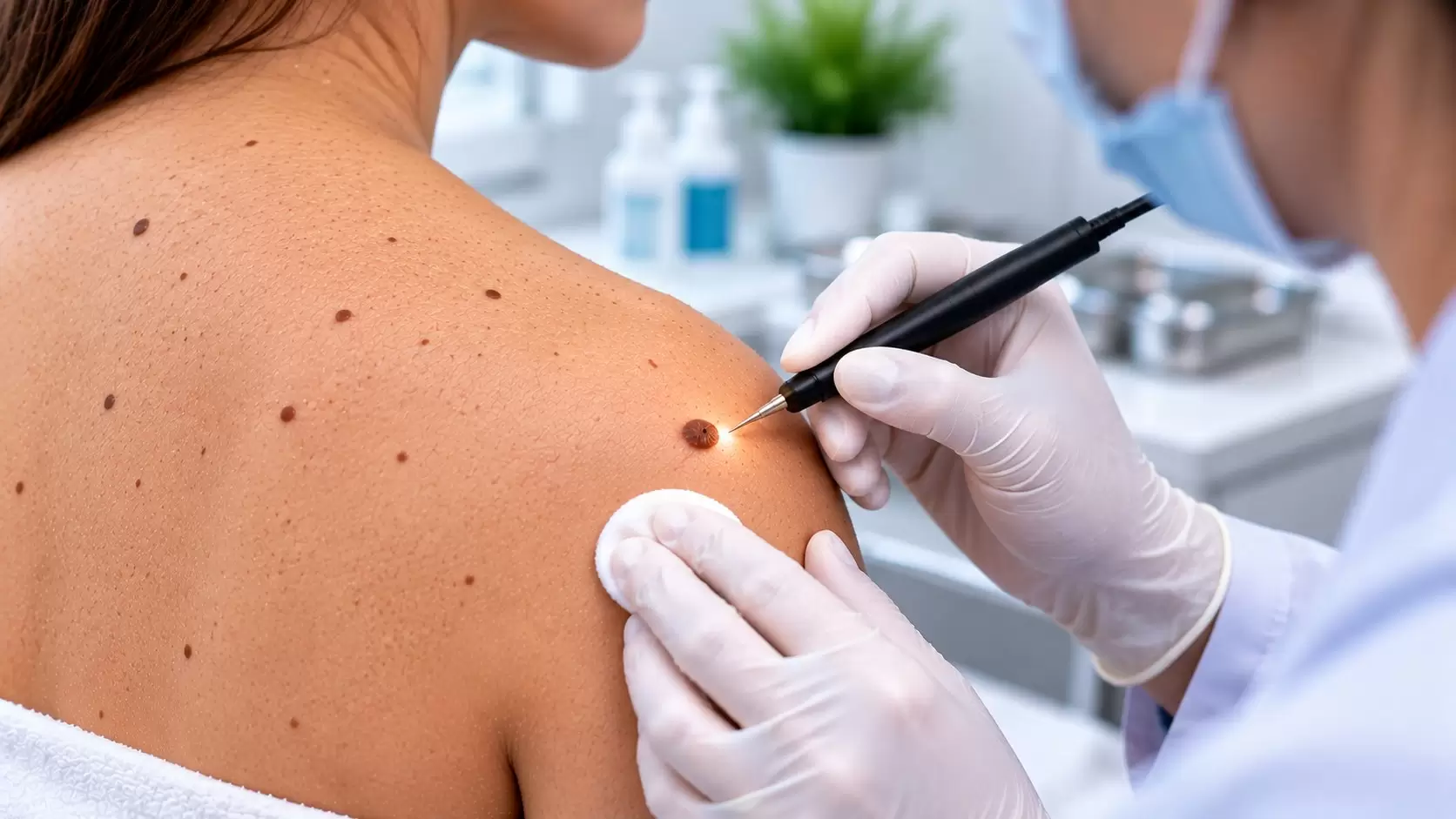
Radiofrequency electrosurgery can be used for selected skin lesions when the diagnosis, lesion depth and treatment goal make a controlled cutting, coagulating or tissue-destructive technique appropriate.
Treatment selection
Which skin conditions may be treated?
Radiofrequency devices belong to the broader family of electrosurgical technologies. Different electrodes and waveforms can create different tissue effects, so the term does not describe one single treatment. In dermatology, electrosurgery may be used to destroy superficial tissue, cut selected lesions or control bleeding.
DermNet describes electrosurgical approaches for several benign or superficial lesions, including skin tags, viral warts and seborrhoeic keratoses. Curettage combined with cautery can also be used for selected lesions such as pyogenic granuloma, actinic keratoses and certain carefully selected superficial skin cancers, although these indications require diagnosis and appropriate clinical expertise.
For an overview of the procedure itself, read What Is Radiofrequency Cautery? or visit our Radiofrequency Cautery in Chennai treatment page.
Common examples
Skin lesions commonly considered for electrosurgical treatment
Skin tags
Selected protruding skin tags can be treated using electrosurgical techniques. The approach depends on the size, location and appearance of the lesion.
Viral warts
Electrosurgery or curettage and cautery may be considered for selected or resistant warts. Recurrence and scarring remain possible.
Seborrhoeic keratoses
Some raised or superficial seborrhoeic keratoses can be treated with electrodessication, curettage or related methods after the diagnosis is established.
Pyogenic granuloma
Selected pyogenic granulomas may be shaved or curetted, with electrosurgery used to control bleeding and treat the base.
Selected superficial growths
Electrodesiccation may be used for lesions such as syringomas, milia, comedones, sebaceous hyperplasia or molluscum contagiosum in appropriate circumstances.
Haemostasis
Electrocoagulation can seal small bleeding vessels during dermatologic surgery and may be used as part of another procedure rather than as the primary treatment.
Diagnosis first
Why the lesion must be assessed before cautery
Not every bump, wart-like growth or pigmented lesion should be destroyed. Dermatologists assess morphology, location, history and changes over time before deciding on treatment. If a lesion is diagnostically uncertain, destroying it can remove tissue that might otherwise have been examined under a microscope.
DermNet specifically notes that curettage is inappropriate for some infiltrating or dermal tumours and should not be used for melanocytic lesions. When histopathology is needed, a skin biopsy or another tissue-preserving procedure may be more appropriate.
Choosing a technique
Radiofrequency cautery is not one-size-fits-all
The depth of a lesion matters. Superficial lesions may respond to electrodesiccation or fulguration, while cutting or coagulation techniques have different roles. Curettage may be combined with cautery when the lesion can be scraped from surrounding tissue along a natural cleavage plane.
Radiofrequency electrosection uses very-high-frequency current for cutting. DermNet notes that radiofrequency devices can produce relatively little collateral heat compared with some other electrosurgical approaches, but outcomes still depend on technique, power, contact time, lesion characteristics and operator experience.
Other treatments such as cryotherapy, surgical excision, shave removal, topical therapy or observation may be more suitable for a particular lesion. The best procedure is determined after diagnosis rather than simply by the availability of a device.
Benefits and limitations
What should patients expect?
For appropriately selected lesions, electrosurgery can offer precise tissue treatment and effective haemostasis. Local anaesthesia is commonly used when needed. Depending on the procedure, the treated area may be left as a small superficial wound that heals gradually rather than being closed with stitches.
Potential downsides include pain after the anaesthetic wears off, redness, crusting, bleeding, infection, pigmentary change and scarring. DermNet notes that curettage accompanied by cautery usually leaves some form of scar, and excessive electrosurgery can delay healing or contribute to hypertrophic scarring.
People with a history of keloids or abnormal scarring should mention this before treatment. If you are concerned about raised scars, see our Keloid Treatment in Chennai page.
Evidence-based information
Authoritative references
DermNet’s electrosurgery overview explains the differences between electrodesiccation, electrocoagulation, electrosection, thermocautery and radiofrequency devices. Its curettage and cautery guide describes lesion selection, procedure steps, wound healing and scarring. These references also underline why the specific diagnosis determines whether an electrosurgical technique is appropriate.
Common questions
Radiofrequency cautery for skin conditions FAQ
Can radiofrequency cautery remove skin tags?
Electrosurgical techniques can be used for selected skin tags. A dermatologist should first confirm that the growth is a skin tag and choose a technique appropriate for its size and location.
Can it be used for warts?
Yes, selected or resistant viral warts may be treated using electrosurgical or curettage-and-cautery techniques. Recurrence and scarring are possible, so treatment choice depends on the wart and patient.
Can radiofrequency cautery treat moles?
Some benign lesions may be treated using electrosurgical cutting techniques, but pigmented or uncertain lesions require careful assessment. If histology is needed, biopsy or excision may be preferred instead of destructive treatment.
Does radiofrequency cautery work for every skin growth?
No. The correct treatment depends on the diagnosis, depth, location and whether tissue must be preserved for pathology. Some lesions are better treated with cryotherapy, excision, medication or observation.
Will the treated area scar?
Scarring is possible. The risk depends on lesion size and depth, treatment technique, anatomical site and individual healing response.
Visit us in OMR
Let’s talk about
your skin concerns.
Book a consultation at Ram Skin Clinic in Thoraipakkam, Chennai.
#48, Second Floor, Flat E, Best Towers,Okkiampet, Thoraipakkam, OMR,
Chennai – 600097. Above Domino’s Pizza.