
Dermatology Procedures
What Is Radiofrequency Cautery?
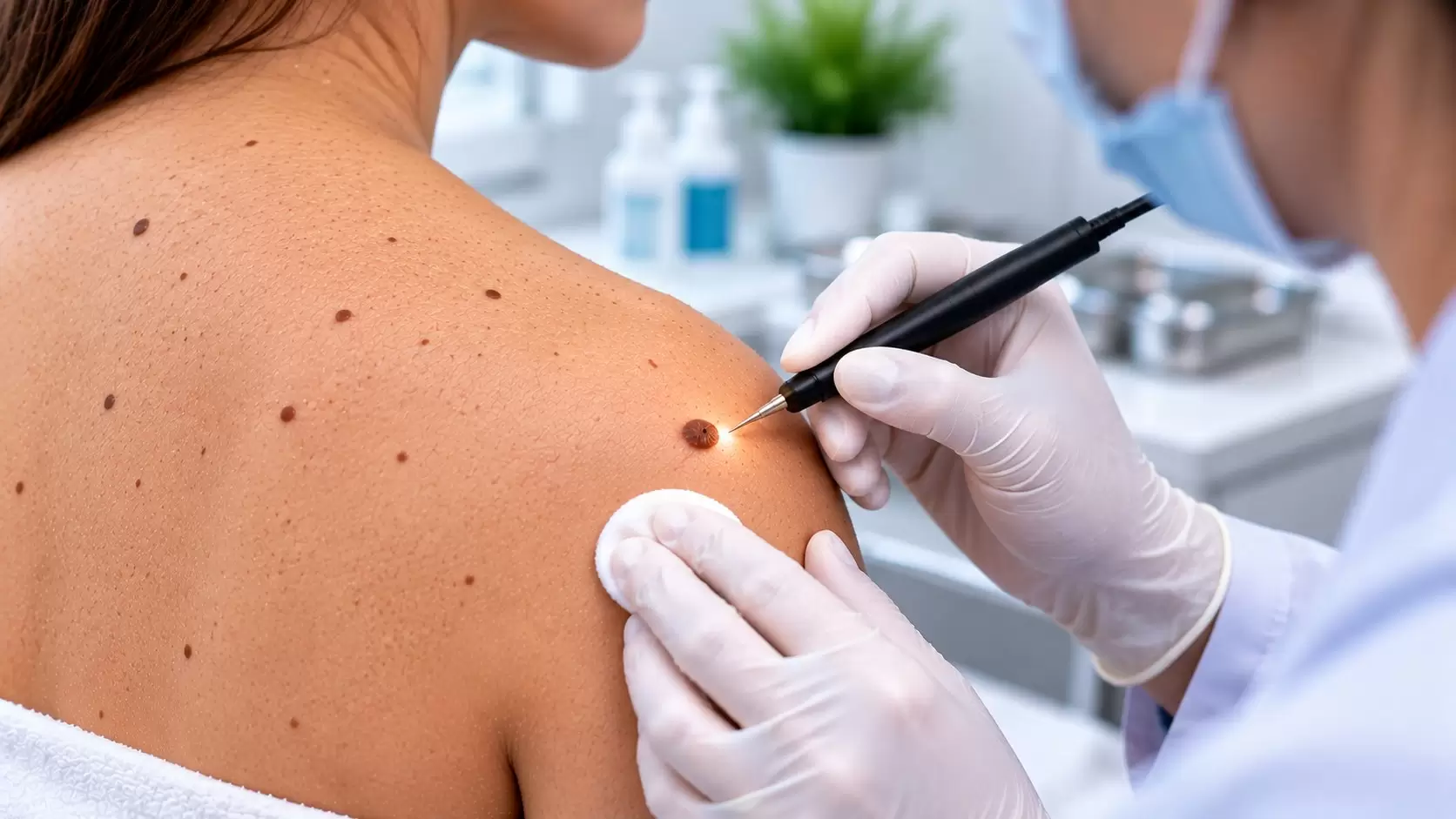
Radiofrequency cautery is a dermatologic procedure that uses high-frequency electrical energy to cut, coagulate or remove selected skin tissue with controlled thermal effect.
Understanding the procedure
How does radiofrequency cautery work?
Electrosurgery uses high-frequency alternating electrical current to generate heat in tissue. Different waveforms and electrodes allow the clinician to achieve different effects, including cutting, coagulation and controlled destruction of superficial tissue. DermNet includes radiofrequency devices among electrosurgical technologies and notes that very-high-frequency devices may be used for electrosection.
The treatment is not the same as every procedure commonly called “cautery.” In true thermocautery, an electrical current heats a probe and the current itself does not pass through the patient. Electrosurgery and radiofrequency surgery instead use electrical energy in a different way. This distinction is useful when discussing the exact procedure recommended for a skin lesion.
For clinic-specific information, see our Radiofrequency Cautery in Chennai treatment page.
Dermatology uses
What can radiofrequency cautery be used for?
The appropriate use depends on the diagnosis and the specific electrosurgical technique. Electrosurgery may be used for haemostasis, to destroy selected superficial growths, or to cut tissue. DermNet describes electrosurgical approaches for lesions such as skin tags, selected warty or keratotic lesions and other benign growths, while particular techniques may also have roles in appropriately selected medical lesions.
Controlled tissue removal
Fine electrodes or loops can permit precise treatment of selected superficial or protruding lesions when clinically appropriate.
Cutting
Radiofrequency electrosection can cut tissue with a focused electrode while limiting unnecessary mechanical pressure.
Haemostasis
Electrocoagulation can help seal small bleeding vessels during dermatologic procedures.
During treatment
What happens during a radiofrequency procedure?
The dermatologist first examines the lesion and decides whether radiofrequency cautery is suitable. The skin is prepared, and local anaesthesia may be used depending on the lesion and technique. An appropriate electrode is then applied to cut, coagulate or treat the targeted tissue.
The exact procedure varies substantially. Some superficial lesions may be treated quickly, while others may involve curettage, tissue sampling or a combination of techniques. DermNet notes that curettage and cautery procedures commonly involve local anaesthesia, removal of the lesion with a curette and subsequent cauterisation of the wound surface.
If tissue diagnosis is important, the dermatologist may choose a technique that allows an adequate specimen to be sent for histopathological examination. Our guide to Skin Biopsy in Chennai explains why tissue sampling may be required.
Recovery
What happens after treatment?
Aftercare depends on the depth and type of treatment. A small treated area may form a superficial wound or crust and heal gradually. Your dermatologist may apply a dressing and provide instructions about cleansing, wound protection and when to return for review.
DermNet notes that wounds following curettage and cautery may take around two to three weeks to heal, although healing time varies with the procedure, treatment site, wound size and individual factors. The treated area can initially appear red, and the final appearance of a scar may continue to change over subsequent months.
Follow the specific wound-care instructions given for your procedure rather than applying a generic aftercare routine.
Safety
Possible risks and side effects
Potential effects of electrosurgical procedures include temporary discomfort, redness, swelling, crusting, bleeding and changes in skin colour. Infection and scarring are also possible. Deeper tissue destruction generally carries a greater risk of a visible scar or pigmentary change.
DermNet notes that electrocoagulation can result in permanent scarring and hypopigmentation, and excessive electrosurgery may delay healing or contribute to hypertrophic scarring. Technique, treatment depth, anatomical site and individual healing response therefore matter.
Tell the treating clinician about your medical conditions, medications, allergies and implanted electronic devices before a procedure. Certain electrosurgical configurations require additional precautions in people with cardiac pacemakers or defibrillators.
Clinical assessment
Is radiofrequency cautery right for every skin lesion?
No. Treatment selection starts with diagnosis. A lesion that resembles a harmless skin tag or wart can sometimes require a different approach after examination. Location, size, depth, suspected diagnosis, tendency to scar and whether tissue is needed for pathology all influence the treatment decision.
For example, resistant warts can sometimes be treated with curettage and cautery, but DermNet notes that recurrence and permanent scarring can occur. Likewise, suspicious pigmented or changing lesions should not simply be destroyed without appropriate assessment.
Authoritative background information is available from DermNet’s electrosurgery guide and its curettage and cautery guide.
Common questions
Radiofrequency cautery FAQ
Is radiofrequency cautery painful?
Local anaesthesia may be used for procedures that would otherwise be uncomfortable. The amount of discomfort depends on the treatment type, site and depth.
Does radiofrequency cautery leave a scar?
Scarring is possible with any procedure that destroys or removes skin tissue. The risk and final appearance depend on treatment depth, lesion size and site, technique and individual healing response.
Is radiofrequency cautery the same as electrocautery?
The terms are often used loosely, but technically they are not identical. Electrocautery or thermocautery heats a probe, whereas electrosurgical and radiofrequency devices use high-frequency electrical energy to produce tissue effects.
Can radiofrequency cautery remove warts?
Electrosurgical techniques can be used for selected warts, particularly some resistant lesions, but recurrence and scarring are possible. The dermatologist should first confirm the diagnosis and select an appropriate method.
Should every skin growth be cauterised?
No. Some lesions require observation, biopsy, excision or another treatment. Diagnosis should come before destructive treatment.
Visit us in OMR
Let’s talk about
your skin concerns.
Book a consultation at Ram Skin Clinic in Thoraipakkam, Chennai.
#48, Second Floor, Flat E, Best Towers,Okkiampet, Thoraipakkam, OMR,
Chennai – 600097. Above Domino’s Pizza.