
Dermatology Procedures
Radiofrequency Cautery Aftercare
Good wound care after radiofrequency cautery or related electrosurgery helps protect the treated area while the skin repairs itself and can reduce avoidable irritation, infection and scar problems.
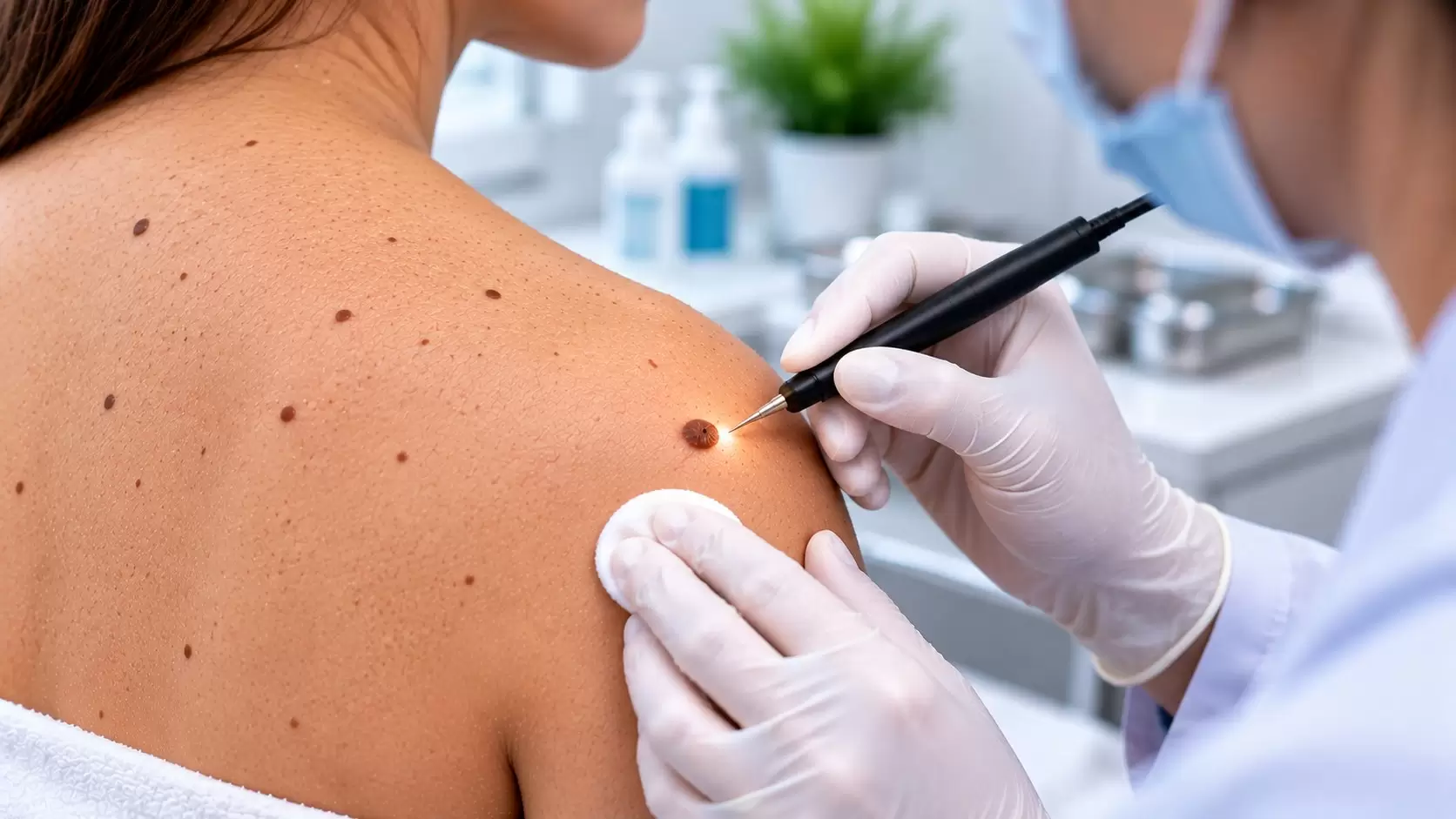
Immediately afterward
What happens after radiofrequency cautery?
The exact wound depends on the lesion and technique used. Some superficial electrosurgical treatments leave a small raw or crusted area rather than a stitched incision. A dressing may be applied before you leave the clinic, and your dermatologist should explain how long to keep it in place and when to begin cleansing.
DermNet’s guidance for curettage and cautery notes that the area can feel tender once local anaesthesia wears off. For this type of open wound, its patient guidance advises leaving the dressing in place for about 24 hours or for the period recommended by the treating clinician and avoiding strenuous exertion or stretching of the area initially.
If you are preparing for treatment rather than recovering from it, see Radiofrequency Cautery Procedure: What to Expect.
Daily wound care
How to care for the treated area
Protect the wound
Keep the initial dressing in place for the period your dermatologist recommends. Dressings help protect a fresh wound from contamination and friction.
Clean gently
When you have been told it is safe to wash the area, cleanse gently rather than scrubbing. Different procedures may have different instructions, so follow the plan given for your wound.
Do not pick
A crust or scab can develop as the surface heals. Picking or repeatedly rubbing the site can reopen it, provoke bleeding and potentially worsen the final mark.
Bleeding
What if the wound starts bleeding?
A small amount of oozing can occur after skin procedures. DermNet recommends firm, uninterrupted pressure for about 20 minutes if bleeding occurs after curettage and cautery. Avoid repeatedly lifting the dressing to check during that period because this can interrupt clot formation.
If bleeding does not settle with sustained pressure, or is heavy, seek medical advice. People taking medicines that affect clotting should follow the medication instructions given by the clinician managing those medicines; do not stop prescribed blood-thinning medication on your own.
Healing
How long does healing take?
Healing time varies with lesion size, treatment depth, anatomical site and the individual’s healing response. DermNet states that wounds after curettage commonly take roughly two to three weeks to heal over, but this should not be treated as an exact timetable for every radiofrequency procedure.
The area may initially look red or more noticeable than the surrounding skin. A scar or colour change can continue to evolve for several months. Once the surface has fully healed, sun protection can help reduce unnecessary darkening and protect the new skin.
Patients who tend to form raised scars should tell their dermatologist. More information is available on our Keloid Treatment in Chennai page.
When to call
Warning signs that need medical review
Some tenderness and local redness can occur during early healing, but symptoms that are increasing rather than improving deserve attention. Contact your clinic if you develop worsening pain, spreading or marked redness, increasing swelling, pus or discharge, persistent bleeding, fever, or another change that concerns you.
The American Academy of Dermatology advises seeking medical care when a healing wound develops signs of infection such as pus or increasing redness, swelling or pain. Your dermatologist can determine whether the appearance represents normal healing, irritation, infection or another complication.
For the conditions that may be considered for electrosurgical treatment, read Radiofrequency Cautery for Skin Conditions.
Scars and pigmentation
Reducing avoidable healing problems
Scarring cannot always be prevented. It depends on the procedure, wound depth, body site and personal healing tendency. DermNet notes that curettage combined with cautery generally leaves some form of scar, while excessive tissue injury can delay healing and contribute to abnormal scarring.
Colour changes can also occur after inflammation or skin procedures, particularly in more deeply pigmented skin. Once the wound has closed, follow your dermatologist’s advice about sunscreen and any treatment for persistent pigmentation rather than applying strong active ingredients to a fresh wound.
If you are considering the procedure and want a broader overview, visit Radiofrequency Cautery in Chennai or read What Is Radiofrequency Cautery?.
Evidence-based information
Authoritative references
Aftercare information in this article is based on DermNet’s curettage and cautery guidance and skin surgery complications guidance, together with the American Academy of Dermatology’s wound-care recommendations. Individual instructions from your treating dermatologist take priority because radiofrequency and electrosurgical wounds vary.
Common questions
Radiofrequency cautery aftercare FAQ
Can I wash the area after radiofrequency cautery?
Follow the timing given by your dermatologist. For curettage-and-cautery wounds, DermNet advises keeping the wound dry initially and then gently washing and drying it. Your instructions may differ depending on the technique and site treated.
How long does the wound take to heal?
It varies. DermNet gives an approximate two-to-three-week healing period for curettage wounds, but lesion size, depth, location and individual healing can make recovery shorter or longer.
Should I use an antibiotic cream?
Not routinely unless your clinician has advised or prescribed one. AAD guidance notes that clean minor wounds generally do not need antibacterial ointment. Follow the instructions given for your specific procedure.
What should I do if it bleeds?
Apply firm continuous pressure without repeatedly checking the wound. DermNet recommends about 20 minutes of uninterrupted pressure for bleeding after curettage and cautery. Seek medical care if bleeding persists.
When should I contact my dermatologist?
Seek advice for persistent bleeding, worsening pain, increasing or spreading redness, swelling, pus or discharge, fever, or any healing change that concerns you.
Visit us in OMR
Let’s talk about
your skin concerns.
Book a consultation at Ram Skin Clinic in Thoraipakkam, Chennai.
#48, Second Floor, Flat E, Best Towers,Okkiampet, Thoraipakkam, OMR,
Chennai – 600097. Above Domino’s Pizza.