
Protecting the Skin Barrier
How to Prevent Skin Infections
Many skin infections begin when bacteria, fungi or other organisms gain an opportunity to enter damaged skin or multiply in warm, moist environments. Good hand hygiene, wound care and skin-barrier protection can reduce that risk.
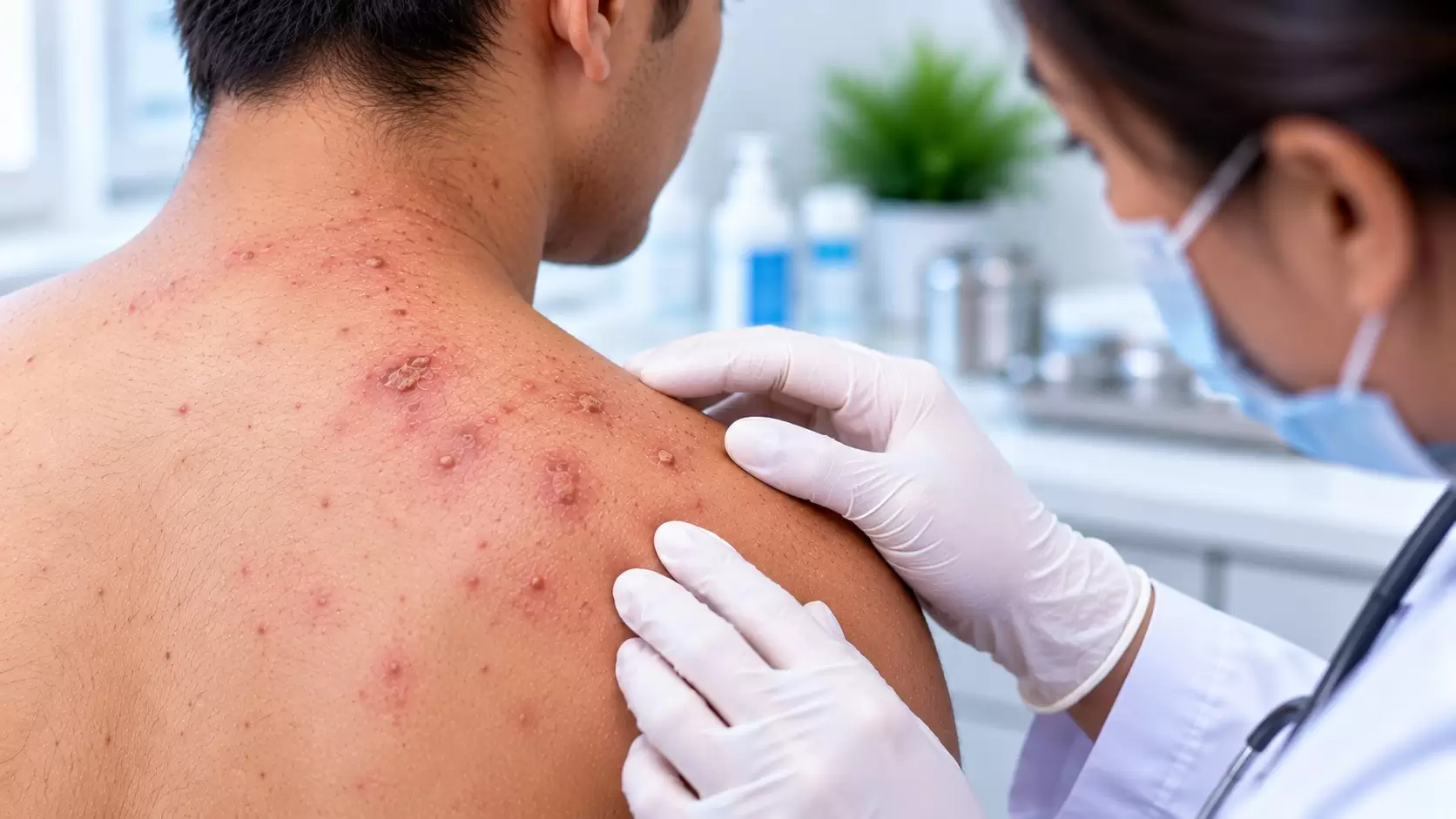
Why prevention starts with the skin barrier
Healthy skin is an important physical barrier against infection. Cuts, cracks, eczema, scratching, shaving and other injuries can create entry points for microorganisms. Prevention therefore involves both reducing exposure and keeping the skin barrier intact.
Different organisms behave differently. For an overview, read Common Types of Skin Infections.
1. Practise good hand hygiene
Handwashing helps reduce transfer of organisms to damaged skin, wounds and other people. Wash with soap and clean running water, especially before and after caring for a wound or touching a draining skin lesion.
If soap and water are not available, alcohol-based hand sanitiser is useful in many everyday situations, although visibly dirty hands should be washed with soap and water.
2. Clean and protect cuts and wounds
Clean minor cuts and scrapes and keep open or draining wounds covered with a clean, dry dressing until healed. Replace dressings when wet or dirty and wash your hands before and after wound care.
3. Do not share personal items
Towels and washcloths
Avoid sharing items that have direct contact with affected or broken skin.
Razors
Use your own razor and keep shaving equipment clean. Shared razors can transmit microorganisms through tiny skin injuries.
Clothing and sports gear
Launder sweaty clothing and clean reusable equipment that repeatedly contacts the skin.
Nail and grooming tools
Keep personal grooming tools clean and do not share equipment that may contact broken skin.
4. Manage sweat, moisture and friction
Warmth, moisture and friction can encourage some fungal, yeast and follicular problems. Change out of sweaty clothing promptly after exercise, shower when practical and allow skin folds and feet to dry properly.
Breathable clothing and reducing repeated rubbing can help susceptible areas, particularly when recurrent folliculitis is a problem.
5. Prevent and treat athlete’s foot
Fungal infection between the toes can cause cracks in the skin. These breaks can become entry points for bacteria and are a recognised risk factor for lower-leg cellulitis.
Keep feet dry, change damp socks, use footwear in shared wet areas and seek appropriate treatment for persistent scaling or fissures between the toes.
6. Control eczema and other barrier disorders
Eczema and dermatitis can disrupt the skin barrier, while itching and scratching create additional damage. Appropriate moisturising and treatment of the underlying inflammation can reduce these entry points.
If a longstanding rash suddenly becomes more painful, crusted, weepy or rapidly worse, it may need assessment for secondary infection.
7. Reduce shaving-related folliculitis
Shaving can injure follicles and trigger folliculitis or pseudofolliculitis. Shave in the direction of hair growth, avoid an excessively close shave, use lubrication and clean equipment, and consider reducing shaving frequency if repeated outbreaks occur.
For a detailed plan, see How to Prevent Recurrent Folliculitis.
8. Take precautions in gyms and shared facilities
Cover cuts and abrasions, avoid sharing towels or razors, shower after activities involving close skin contact or heavy sweating, and clean personal sports equipment regularly.
Wear suitable footwear in shared showers and changing areas to reduce exposure to fungi that cause athlete’s foot.
9. Use hot tubs and pools carefully
Poorly maintained hot tubs can transmit Pseudomonas, which can cause hot-tub folliculitis. Choose facilities with appropriate maintenance and disinfectant levels, shower after use and change out of wet swimwear promptly.
10. Avoid unnecessary antibiotics
Not every red or itchy rash is bacterial. Fungal infections, viral conditions, eczema and other inflammatory disorders can look similar. Antibiotics do not treat fungal or viral infections, and unnecessary use contributes to antimicrobial resistance.
See Bacterial vs Fungal Skin Infection if you are unsure about the distinction.
What if infections keep returning?
Repeated infections deserve assessment for persistent triggers such as eczema, fungal infection, chronic swelling, circulation problems, bacterial carriage or other medical risk factors. Selected recurrent staphylococcal infections may need culture and clinician-directed decolonisation.
Read Recurrent Skin Infections for more detail.
When to seek medical care
Arrange assessment when an infection is recurrent, persistent, painful, draining or not responding as expected. People with diabetes, poor circulation, chronic swelling or weakened immunity may need earlier evaluation.
For assessment and treatment, visit Skin Infection Treatment in Chennai.
Frequently asked questions
What is the best way to prevent bacterial skin infections?
Protect the skin barrier, practise good hand hygiene, clean and cover wounds, avoid sharing personal items and treat conditions that cause cracks or inflammation.
Can sharing towels spread skin infections?
Some infectious organisms can spread through contaminated personal items. Avoid sharing towels, washcloths and razors, particularly when someone has an active infection.
Can athlete’s foot lead to a bacterial infection?
Yes. Cracks between the toes can provide an entry point for bacteria and increase the risk of cellulitis.
How can I prevent skin infections after exercise?
Change out of sweaty clothing promptly, shower when practical, clean reusable equipment and avoid sharing towels or razors.
Should I use antibiotics to prevent skin infections?
No. Routine self-directed antibiotic use is not recommended. Prevention should target hygiene, wounds, skin-barrier problems and specific risk factors.
When should recurrent infections be investigated?
Repeated boils, cellulitis, folliculitis or infections that fail appropriate treatment should be assessed for the diagnosis and underlying risk factors.
This article follows current prevention principles from public-health and dermatology guidance, including CDC and American Academy of Dermatology recommendations.
Visit us in OMR
Repeated skin infections? Find the trigger.
Book a dermatologist consultation at Ram Skin Clinic in Thoraipakkam, Chennai.
#48, Second Floor, Flat E, Best Towers,Okkiampet, Thoraipakkam, OMR,
Chennai – 600097. Above Domino’s Pizza.