
Wart Treatment Guide
Wart Removal Methods: Treatment Options Explained
Warts can sometimes clear without treatment, but persistent, painful, spreading or troublesome warts may benefit from treatment selected for their type and location.
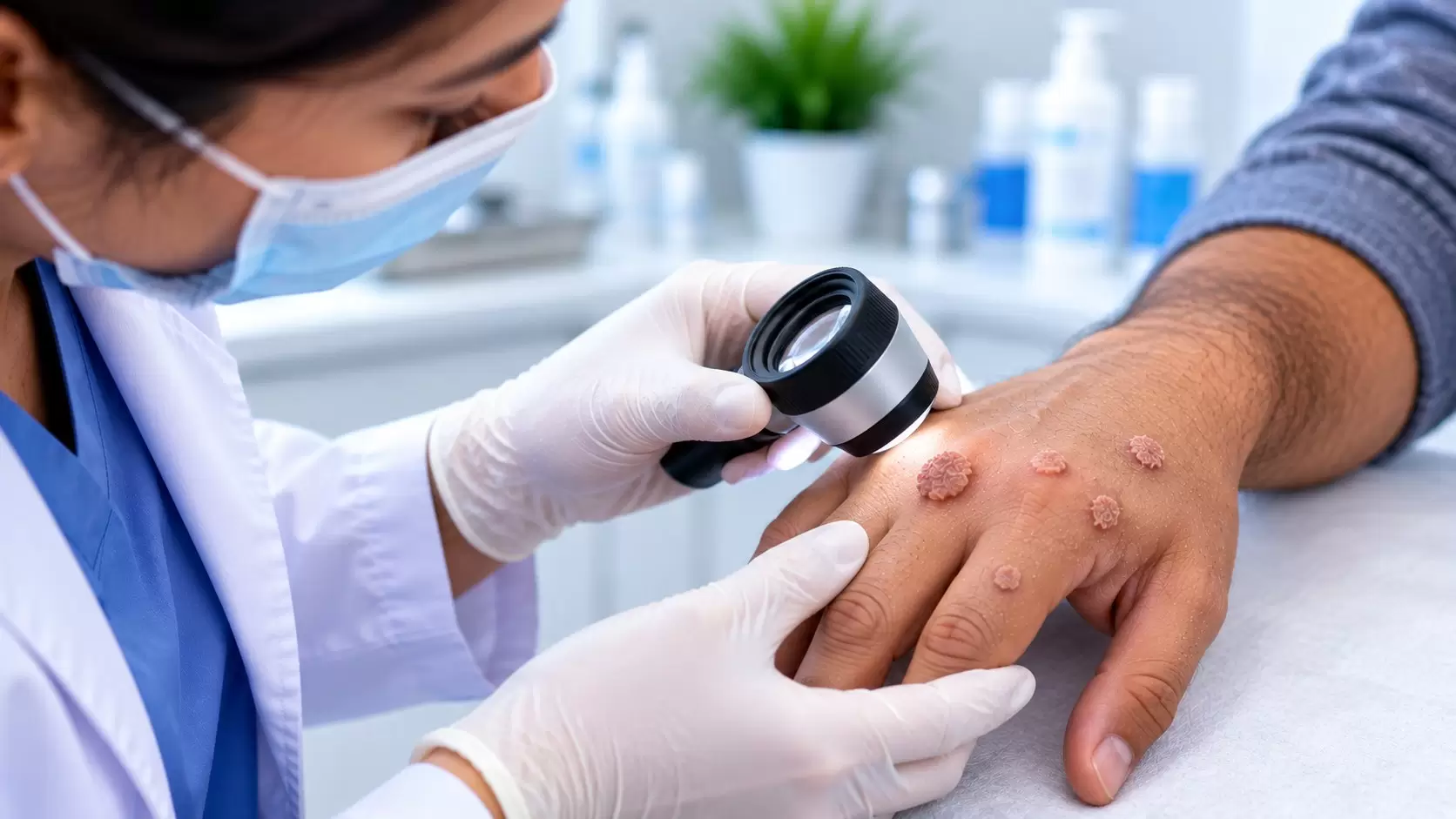
Do all warts need to be removed?
No. Many non-genital warts are harmless and can eventually disappear as the immune system controls HPV. Treatment may be considered when a wart is painful, spreading, bothersome, cosmetically concerning or persistent.
Before treatment, diagnosis matters. Corns and other skin growths can resemble warts. See Warts vs Corns if you are unsure about a thickened foot lesion.
Common wart removal methods
Salicylic acid
A common keratolytic treatment that gradually removes layers of wart tissue. It requires regular application over time and can irritate surrounding skin.
Cryotherapy
A dermatologist freezes the wart with liquid nitrogen. Blistering or crusting can follow, and many patients require more than one treatment session.
Electrosurgery & curettage
The wart is destroyed with electrosurgery and/or scraped away under local anaesthesia. This can be useful for selected resistant lesions but may leave a scar.
Excision
Some warts can be surgically cut out after numbing the skin. Immediate removal is possible, but bleeding, infection and scarring are considerations.
Salicylic acid for warts
Salicylic acid is widely used for common and plantar warts. It works gradually by breaking down thickened, HPV-infected surface skin. Treatment generally requires persistence rather than a one-time application.
It should be applied carefully to the wart rather than normal surrounding skin. Stop and seek advice if treatment causes marked pain, bleeding, blistering or severe irritation.
Cryotherapy: freezing a wart
Liquid-nitrogen cryotherapy is a common in-office treatment. Freezing damages wart tissue, which then blisters or crusts and sheds as the area heals. Treatment can be uncomfortable and commonly needs to be repeated.
Potential effects include pain, blistering and temporary lightening or darkening of treated skin; scarring is also possible. Treatment intensity and interval are adjusted according to the site and response.
Electrosurgery, curettage and excision
For selected warts, a dermatologist can numb the area and use electrosurgery to destroy the lesion, curettage to scrape it away, or excision to cut it out. These methods can remove visible wart tissue quickly but create a wound and can leave a scar.
They are therefore not automatically preferable to less invasive treatments, particularly on pressure-bearing areas of the foot where a painful scar can itself become problematic.
Options for stubborn or recurrent warts
When standard treatments have not worked, dermatologists may consider therapies such as laser treatment, selected topical medicines, intralesional treatments or immunotherapy. The choice depends on the wart type, location, previous treatment and patient factors.
Persistent warts are common. Read Why Warts Keep Coming Back for the role of residual HPV, immune response and self-spread.
Which wart treatment is best?
There is no universally best wart-removal method. A dermatologist considers the number and type of warts, their location, how long they have been present, symptoms, previous treatment, age, skin type and medical history.
For example, a small common wart may be suitable for topical therapy, while a persistent plantar wart or a resistant periungual wart may require a different strategy. See Types of Warts for the major clinical patterns.
Can you cut or burn a wart yourself?
Do not cut, burn or aggressively scrape a wart at home. These approaches can cause bleeding, infection, scarring and spread HPV to nearby skin. If you use an over-the-counter wart treatment, follow its instructions carefully and avoid using the same filing tool elsewhere on your body.
Warts are contagious; practical prevention advice is covered in Are Warts Contagious?.
Can a wart return after removal?
Yes. Wart treatment removes or destroys virus-containing tissue but does not guarantee that HPV has been completely cleared from nearby skin. Recurrence can therefore occur after apparently successful treatment.
Following aftercare instructions and avoiding picking, scratching and shaving directly over warts can help reduce self-spread.
When should you see a dermatologist?
Dermatologist assessment is advisable for warts on the face or genital area, growths that change, hurt or bleed, many warts, uncertainty about the diagnosis, or warts that persist despite appropriate home treatment. People with diabetes or a weakened immune system should also seek medical guidance rather than self-treating.
For assessment and treatment options, visit Warts Treatment in Chennai.
Frequently asked questions
What is the best method to remove a wart?
There is no single best method for everyone. Treatment depends on wart type, location, number, duration, previous treatment and your health.
Can salicylic acid remove warts?
Yes. Salicylic acid is a common treatment for selected common, plantar and flat warts and works gradually with repeated use.
Does cryotherapy remove warts permanently?
Cryotherapy can clear warts, but several sessions may be required and recurrence can still occur.
Can a dermatologist surgically remove a wart?
Yes. Selected warts can be treated with curettage and electrosurgery or excision, but these procedures may leave a scar.
When should a wart be checked before treatment?
Seek assessment for facial or genital lesions, changing or bleeding growths, many warts, uncertain diagnosis, failed home treatment, diabetes or reduced immunity.
Medical guidance checked against current American Academy of Dermatology and DermNet guidance.
Visit us in OMR
Need help choosing a wart treatment? Get it assessed.
Book a dermatologist consultation at Ram Skin Clinic in Thoraipakkam, Chennai.
#48, Second Floor, Flat E, Best Towers,Okkiampet, Thoraipakkam, OMR,
Chennai – 600097. Above Domino’s Pizza.