
Dermatology Procedures · Patient Guide
Understanding Skin Biopsy Results
A skin biopsy result is a pathology report describing what was seen when the removed skin tissue was examined under a microscope.
The report can help your dermatologist confirm or narrow a diagnosis and decide whether treatment, further testing or follow-up is appropriate.
A biopsy result should be interpreted together with your symptoms, examination findings and the reason the biopsy was taken. A result may identify a specific condition, rule out an important possibility, or occasionally require additional testing or clinical correlation.
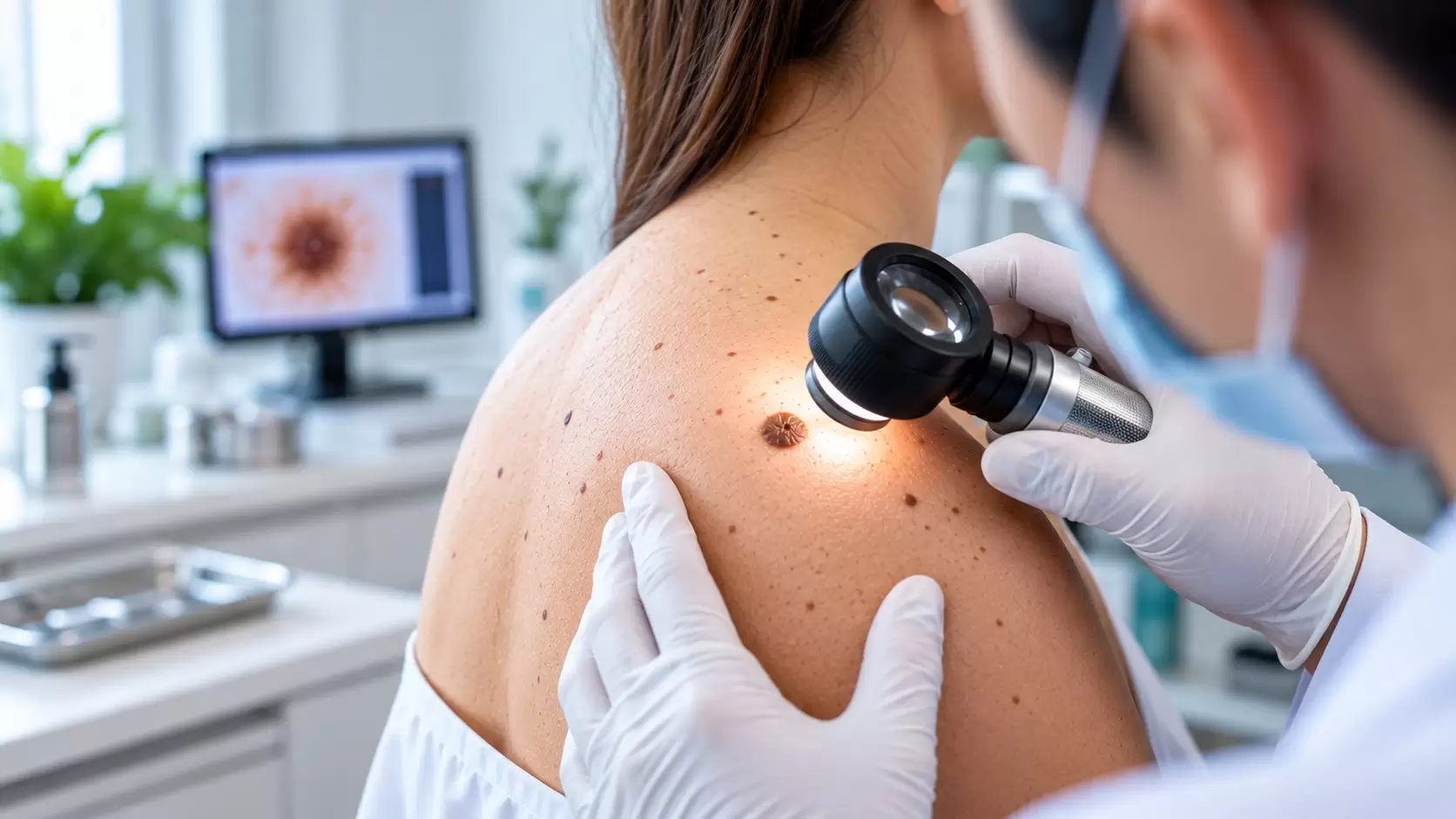
From sample to diagnosis
What happens to the biopsy sample?
After a skin biopsy, the tissue is sent to a laboratory. A pathologist or dermatopathologist examines sections of the sample under a microscope and prepares a pathology report describing the findings.
The American Academy of Dermatology explains that dermatologists work with dermatopathologists to diagnose skin disease from biopsy tissue. The report is then reviewed by your dermatologist in the context of the clinical problem.
Possible findings
What can a skin biopsy show?
Inflammatory skin disease
A biopsy may support diagnoses such as psoriasis, dermatitis or other inflammatory disorders by showing characteristic tissue patterns.
Infection
Microscopy and, when appropriate, additional laboratory tests may help identify or support bacterial, fungal or other infectious causes.
Abnormal or cancerous cells
Biopsy is used to determine whether suspicious tissue contains cancer cells and, when present, to provide information relevant to further management.
Biopsy is also used for many other skin disorders. A result that does not show cancer does not necessarily mean the biopsy was unnecessary; it may provide valuable evidence for another diagnosis or exclude an important possibility.
Reading the report
What do the words in a pathology report mean?
Pathology reports use medical terminology because they are primarily written for clinicians. Depending on the condition, a report may describe the epidermis, dermis and deeper tissue; patterns of inflammation; cellular changes; microorganisms; margins; or other microscopic features.
If a suspicious lesion was biopsied, the report may state whether malignant cells were identified. For some cancers, additional characteristics can influence the next step. The exact information included varies with the suspected condition and biopsy type.
Avoid interpreting an isolated word from the report without context. Your dermatologist can explain which findings are important and whether they match what was seen clinically.
Clinicopathological correlation
Why the examination and biopsy must be considered together
DermNet describes the combination of clinical findings and histopathology as clinicopathological correlation. Some skin diseases have overlapping microscopic appearances, so the location, duration, symptoms, appearance of the lesion and previous treatment can all help interpret the specimen.
This is one reason your dermatologist may ask detailed questions and document the appearance of the skin before taking the sample. Selecting the appropriate biopsy site also matters.
Learn more about the process in What Is a Skin Biopsy and Why Is It Done? and Types of Skin Biopsy: Punch, Shave and Excision.
Timing and next steps
How long do results take, and what happens next?
Turnaround time varies by laboratory and by the tests required. DermNet notes that results commonly take about one or two weeks, although special stains, additional studies or a second opinion can make the process longer.
Once the report is available, your dermatologist may recommend no further treatment, medication or other treatment for a diagnosed skin condition, complete removal of a lesion, additional testing, or clinical follow-up. The appropriate next step depends entirely on the diagnosis and your individual circumstances.
If you are waiting for a result, follow the communication instructions given by the clinic rather than assuming that no news means a normal result.
For information about the procedure and wound care, read What Happens During and After a Skin Biopsy?. If you are preparing for a biopsy, see How to Prepare for a Skin Biopsy.
Frequently asked questions
Skin biopsy results: FAQs
Does an abnormal skin biopsy result always mean cancer?
No. Abnormal biopsy findings can reflect many conditions, including inflammatory skin diseases and infections. The result needs to be interpreted according to the clinical reason for the biopsy.
Can a skin biopsy diagnose psoriasis or eczema?
A biopsy can sometimes support the diagnosis of inflammatory skin disorders such as psoriasis or dermatitis, particularly when the clinical diagnosis is uncertain. Your dermatologist interprets the pathology together with the examination.
Who examines a skin biopsy?
The sample is examined microscopically by a doctor trained in pathology; skin specimens may be assessed by a dermatopathologist with specialist expertise in skin disease.
Why might a biopsy result need additional tests?
Some conditions require special stains, laboratory studies or further review to distinguish between diagnoses. Additional testing does not by itself indicate that the result is serious.
What should I do after receiving my biopsy report?
Discuss the report with your dermatologist so you understand the diagnosis, whether further treatment or tests are needed, and the recommended follow-up.
Reliable medical information
References & further reading
For additional patient information, see the American Academy of Dermatology, DermNet, and MedlinePlus.
If your dermatologist has recommended a biopsy, the main treatment page explains skin biopsy in Chennai at Ram Skin Clinic.
Visit us in OMR
Let’s talk about
your skin concerns.
Book a consultation at Ram Skin Clinic in Thoraipakkam, Chennai.
#48, Second Floor, Flat E, Best Towers,Okkiampet, Thoraipakkam, OMR,
Chennai – 600097. Above Domino’s Pizza.