
Dermatology Procedures · Patient Guide
How to Prepare for a Skin Biopsy
Most skin biopsies require little special preparation, but sharing the right medical information and knowing what to expect can make the appointment and aftercare easier.
For many routine skin biopsies, no special preparation is required. Tell your dermatologist about medicines, allergies, bleeding problems and relevant medical history, and follow any procedure-specific instructions you are given. Do not stop prescribed medicines unless the clinician who manages them tells you to.
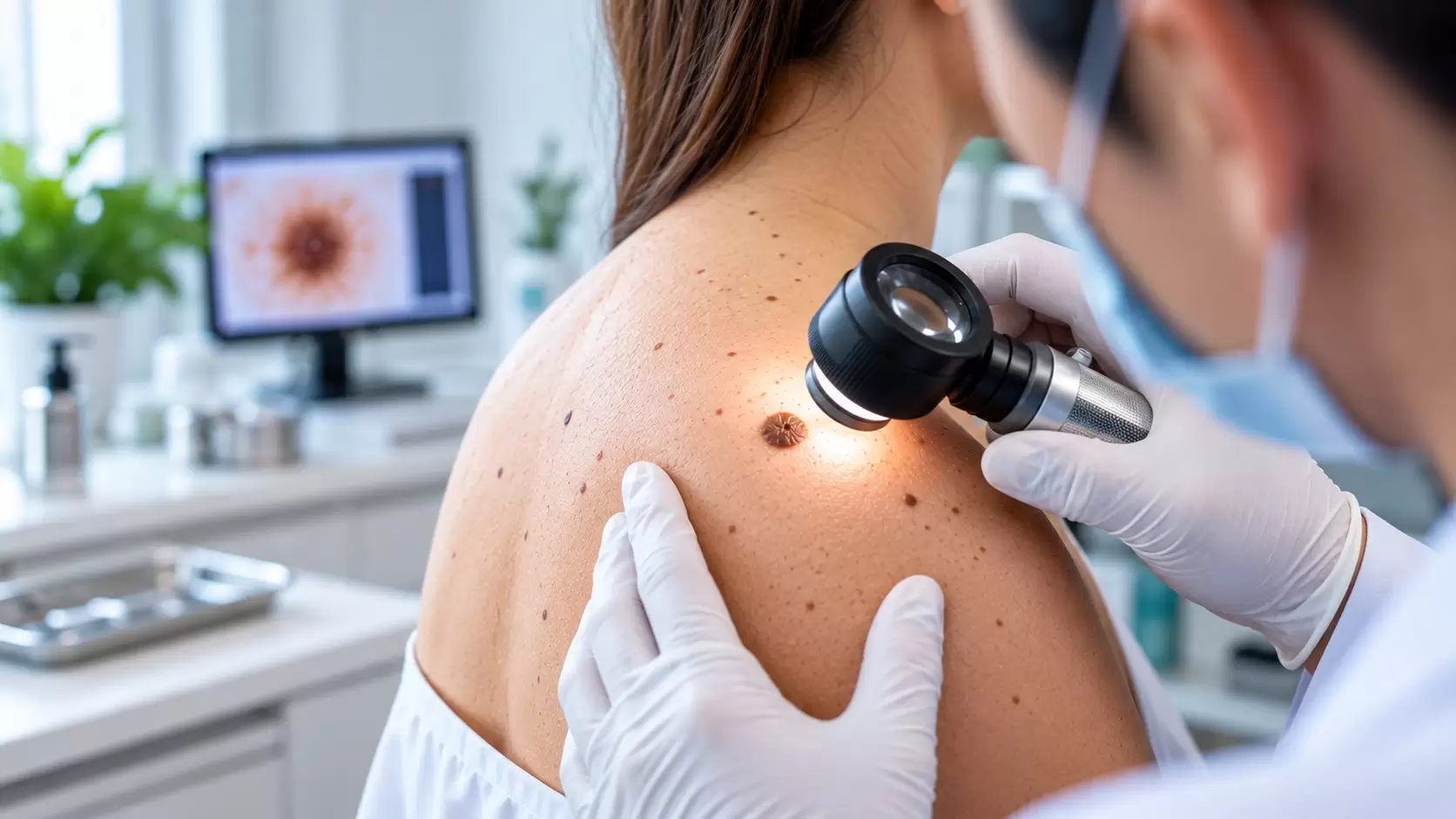
Before the procedure
Preparing for a biopsy is mostly about good information.
A skin biopsy removes a small sample of skin for laboratory examination. It can help investigate rashes, growths, infections, inflammatory conditions and other skin changes when microscopic examination may provide information that cannot be obtained by looking at the skin alone.
According to MedlinePlus, routine skin biopsy generally does not require special preparation. The exact instructions can still vary according to the biopsy site, the method selected and your medical history. Your dermatologist may therefore give you individual instructions before the procedure.
What to tell your dermatologist
Bring the details that can change the plan.
Medicines & supplements
Bring an up-to-date list of prescription medicines, over-the-counter medicines and supplements. In particular, mention medicines that can affect bleeding.
Allergies & reactions
Tell the clinic about known allergies or previous reactions to medicines, local anaesthetics, dressings or adhesives.
Relevant history
Mention bleeding problems, previous procedures, current treatment applied to the lesion and any other medical information your dermatologist asks about.
On the day
What usually happens at the appointment?
The dermatologist first examines the area and chooses an appropriate biopsy site and technique. The skin is cleansed and local anaesthetic is usually injected to numb the area. The sample is then removed using a technique suited to the clinical question.
Depending on the situation, this may be a punch, shave or excisional technique. Read our guide to the types of skin biopsy for a clearer explanation of how these methods differ.
A punch or excisional biopsy may require stitches, whereas some smaller biopsy wounds can heal with a dressing alone. The removed tissue is sent for pathological examination, where microscopic findings are interpreted together with the clinical information supplied by the dermatologist.
Practical things to consider before you leave home
- Wear clothing that allows reasonable access to the area being examined when practical.
- Bring previous dermatology prescriptions or reports if they relate to the same problem.
- Know the names of creams or medicines you have recently used on the area.
- Allow enough time for assessment, consent, local anaesthetic, the procedure and dressing.
- If you have questions about exercise, bathing, work or wound care afterward, ask before leaving the clinic.
Planning for afterward
Prepare for simple wound care.
After a skin biopsy, you will usually leave with a dressing and instructions for caring for the wound. The American Academy of Dermatology advises keeping biopsy wounds clean, moist with petroleum jelly when recommended, and covered with an appropriate dressing. Your dermatologist’s individual instructions take priority.
It can be useful to have mild soap, clean dressings or gauze and any wound-care supplies specifically recommended by your clinic available at home. If stitches are used, ask when they should be reviewed or removed.
Some redness, bruising or mild discomfort can occur. Seek medical advice if you develop worsening pain, increasing warmth or swelling, pus-like drainage, fever, or bleeding that does not stop with the pressure instructions provided by your clinician.
Why biopsy preparation matters
A good sample supports a useful pathology result.
The biopsy is only one part of diagnosis. DermNet notes that selecting the appropriate site and supplying relevant clinical information are important because the pathologist interprets microscopic findings in the context of the suspected diagnosis and history.
For some inflammatory skin conditions, recent treatment on the lesion can alter what is seen under the microscope. This does not mean you should change treatment yourself. Instead, tell the dermatologist exactly what has been applied and when so that the clinician can choose the most appropriate site and timing.
If you are still deciding whether a biopsy has been recommended for you, start with What Is a Skin Biopsy and Why Is It Done? or visit our main Skin Biopsy in Chennai treatment page.
Frequently asked questions
Skin biopsy preparation FAQ
Do I need to fast before a skin biopsy?
Routine skin biopsy generally does not require special preparation such as fasting. Follow any specific instructions given for your individual procedure.
Should I stop blood-thinning medicines before a skin biopsy?
Do not stop prescribed medicines on your own. Tell your dermatologist about all medicines you take, especially those that affect bleeding, and follow the advice of the clinicians managing those medicines.
Should I stop creams before a biopsy?
Tell the dermatologist what creams or topical medicines you have used and when. Treatment can sometimes affect biopsy findings, so the dermatologist will decide whether any change is appropriate.
Will the biopsy area be numbed?
Skin biopsy is usually performed using local anaesthetic injected into the skin so the selected area is numb during tissue removal.
What should I bring to my appointment?
Bring relevant previous prescriptions or reports and an up-to-date list of medicines, supplements and allergies. Be ready to explain how long the skin problem has been present and what treatments you have tried.
Medical references: MedlinePlus: Skin Biopsy, American Academy of Dermatology: Skin Biopsy Wound Care, and DermNet: Skin Biopsy.
Visit us in OMR
Let’s talk about
your skin concerns.
Book a consultation at Ram Skin Clinic in Thoraipakkam, Chennai. If a skin biopsy is clinically appropriate, the dermatologist can explain the procedure, preparation, aftercare and follow-up.
#48, Second Floor, Flat E, Best Towers,Okkiampet, Thoraipakkam, OMR,
Chennai – 600097. Above Domino’s Pizza.