
Dermatology Procedures · Patient Guide
What Is a Skin Biopsy?
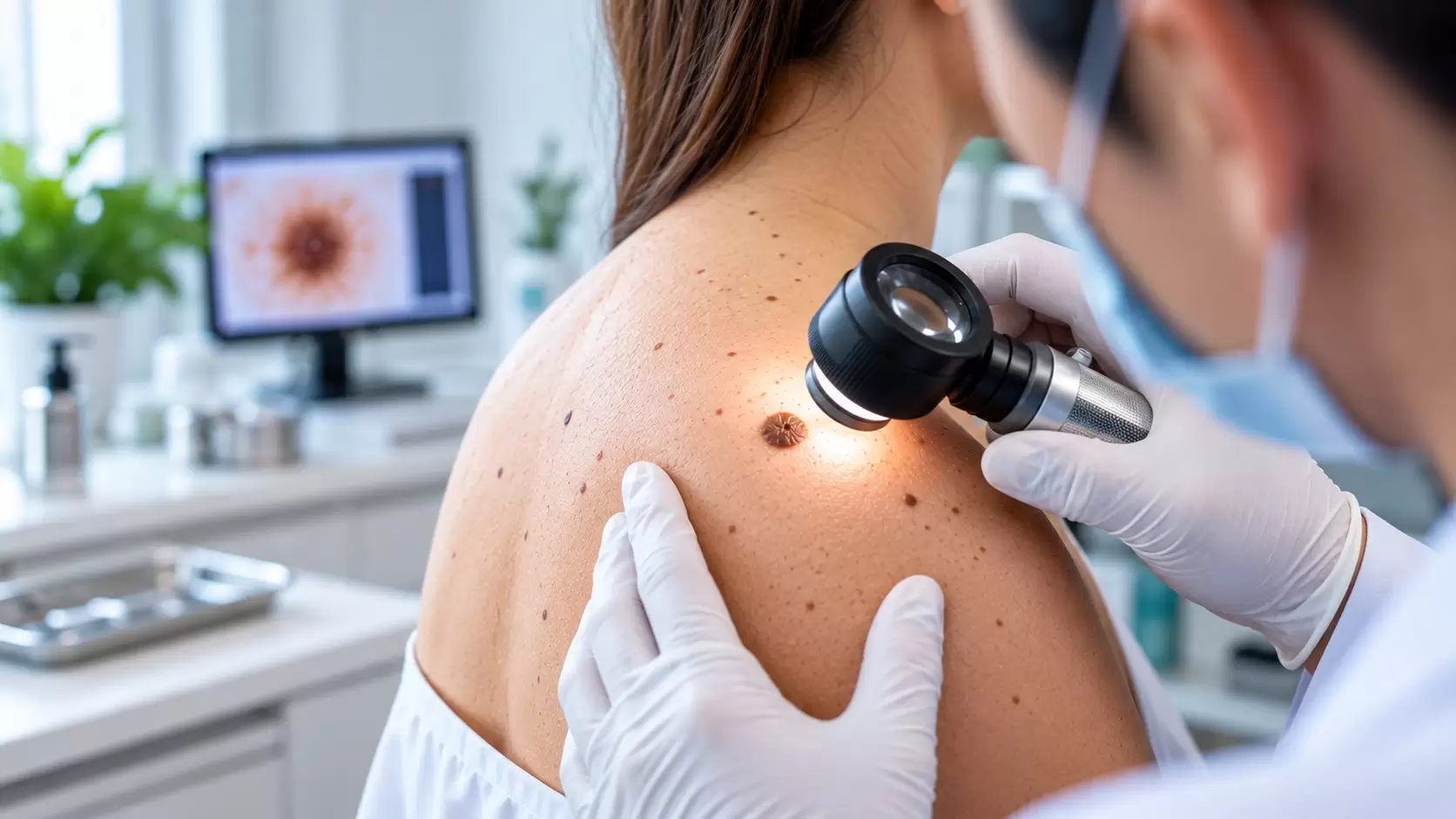
A skin biopsy is a diagnostic procedure in which a dermatologist removes a small sample of skin so it can be examined under a microscope.
It can help clarify a diagnosis when examination alone does not provide enough information. Here is why a biopsy may be recommended, how it is performed and what patients can expect.
Understanding the test
Why might a dermatologist recommend a skin biopsy?
Many skin problems can be identified from their appearance, distribution, symptoms and medical history. Sometimes several conditions look similar on the surface. A biopsy allows tissue to be examined histologically, giving the dermatologist and pathologist information that cannot always be seen during a routine examination.
The American Academy of Dermatology explains that biopsy can help diagnose infections, blistering diseases and certain rashes as well as investigate possible skin cancer. DermNet describes biopsy as part of the diagnostic process when microscopic examination can provide additional clues.
At Ram Skin Clinic, the need for biopsy is determined after clinical assessment. See our dedicated Skin Biopsy in Chennai page for clinic-specific information.
Persistent or unclear rashes
A sample may help distinguish inflammatory skin conditions with overlapping appearances.
Unusual lesions or growths
Biopsy may be considered when a spot, lump or growth needs microscopic assessment.
Selected infections or blisters
Special processing may sometimes help when infection or an immune-mediated disorder is suspected.
Biopsy methods
Different types of skin biopsy
The technique is selected according to the condition being investigated, tissue depth required, location and lesion characteristics. The same method is not suitable for every problem.
Punch biopsy
A circular instrument removes a small full-thickness core of skin. Depending on size and site, the wound may need a stitch.
Shave biopsy
A superficial portion of a raised or surface lesion is removed. It generally samples less depth than a punch biopsy.
Incisional or excisional
An incisional biopsy samples part of a lesion, while an excisional biopsy removes the lesion in its entirety when clinically appropriate.
What to expect
What happens during a skin biopsy?
A typical diagnostic biopsy is a short clinic procedure. The exact process varies, but usually includes clinical assessment, cleansing and local anaesthesia, removal of the selected tissue sample, wound care and laboratory examination.
1. Clinical assessment
The dermatologist reviews the lesion or rash, symptoms, medical history and previous treatments before deciding whether biopsy is appropriate and where the sample should be taken.
2. Local anaesthesia
The area is cleaned and local anaesthetic is injected to numb the skin. The injection can briefly sting before the area becomes numb.
3. Tissue sampling
The selected technique is used to remove a small piece of tissue. Some wounds require a suture; others can be managed with a dressing.
4. Histopathology
The specimen is sent for laboratory examination. A pathologist examines processed tissue under a microscope and issues a report.
5. Results and follow-up
The report is interpreted together with the clinical findings. It may confirm a diagnosis, narrow the possibilities or occasionally indicate that further assessment is needed.
Before and after
Preparing for a biopsy and caring for the site
Tell the dermatologist about medicines you take, allergies, previous reactions to local anaesthetic, bleeding problems and relevant medical conditions. Do not stop prescribed medicines unless your treating doctor specifically advises you to do so.
After the procedure, follow the wound-care instructions given for your biopsy. These may include keeping the site clean, using a dressing and returning for suture removal when required. Seek medical advice for persistent bleeding, increasing pain, spreading redness, discharge, fever or another concerning symptom.
A biopsy can leave a scar. Its appearance varies with biopsy type, body site and individual healing. If you are prone to raised scars, our Keloid Treatment in Chennai page provides related information.
Results
What can a skin biopsy tell you?
Histopathology can reveal patterns within the epidermis, dermis and deeper tissue that help distinguish one condition from another. In some cases special stains or additional laboratory methods are used. A pathology report is interpreted alongside the appearance of the skin, the site sampled and the clinical history—often called clinicopathological correlation.
A biopsy is therefore a diagnostic tool rather than a diagnosis by itself. The next step depends on what the report shows and how that finding fits the clinical picture.
Frequently asked questions
Skin biopsy FAQs
Does having a skin biopsy mean I have skin cancer?
No. Biopsies are used to diagnose many skin conditions, including persistent rashes, inflammatory diseases, infections, blistering disorders, unusual growths and suspicious lesions.
Is a skin biopsy painful?
The area is usually numbed with local anaesthetic. The injection can briefly sting, but the biopsy is performed after the area has been anaesthetised.
Will I need stitches?
It depends on the biopsy technique, size and location. Some punch, incisional and excisional biopsies may require sutures, while many superficial shave biopsies do not.
How long do skin biopsy results take?
Timing varies by laboratory and whether special stains, additional tests or a second opinion are required. Your dermatologist can advise you about the expected reporting and follow-up process.
Will a skin biopsy leave a scar?
Any procedure that removes skin can leave a scar. Its final appearance depends on biopsy type, size, location and individual healing response.
Visit us in OMR
Let’s talk about
your skin concerns.
Book a consultation at Ram Skin Clinic in Thoraipakkam, Chennai.
#48, Second Floor, Flat E, Best Towers,Okkiampet, Thoraipakkam, OMR,
Chennai – 600097. Above Domino’s Pizza.