
Managing Psoriasis
Psoriasis Triggers & Flare-Ups
Psoriasis often alternates between quieter periods and flare-ups. Understanding your own triggers can help reduce avoidable aggravation, although triggers differ from one person to another.
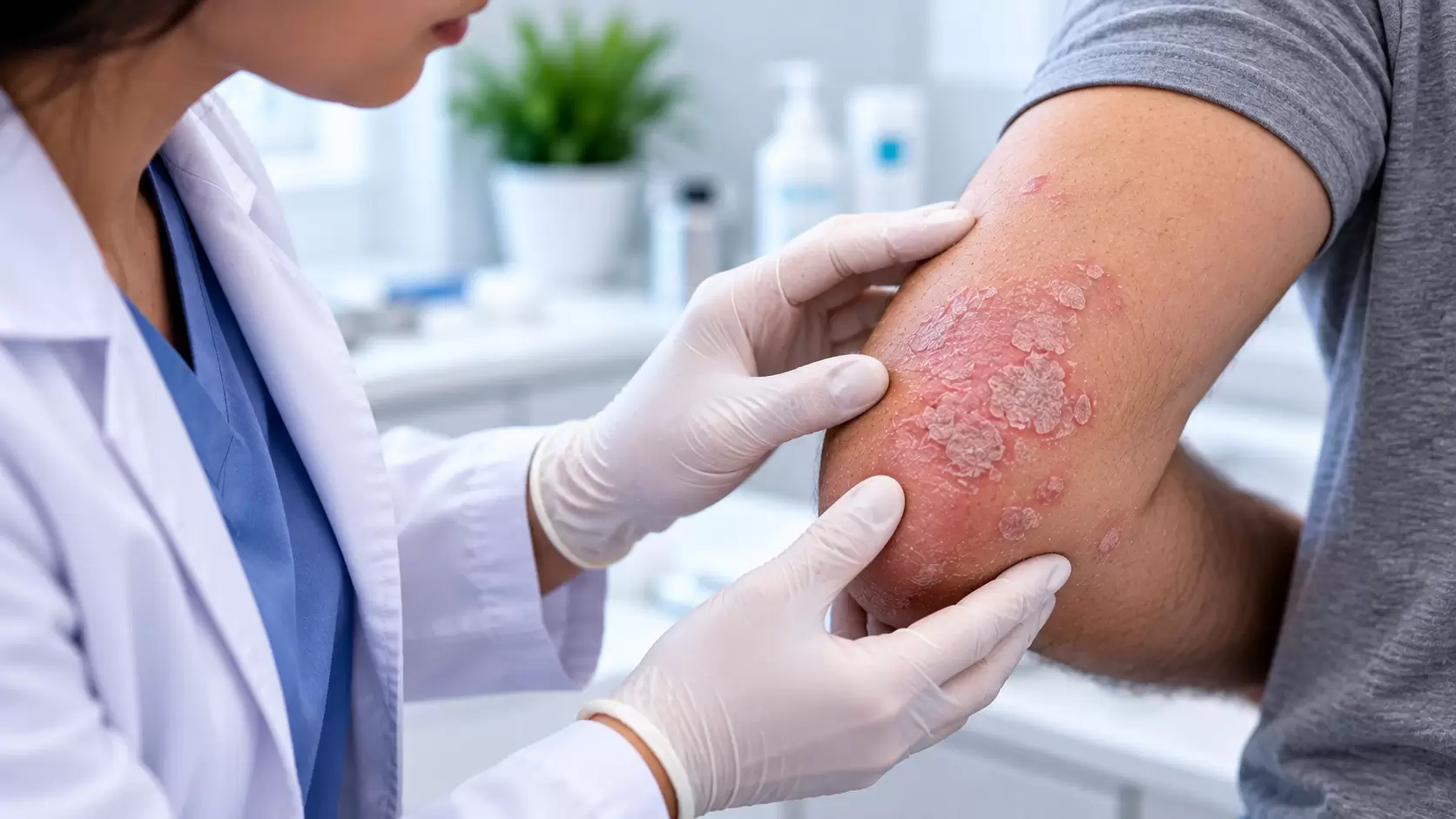
What is a psoriasis flare-up?
A flare-up is a period when psoriasis becomes more active: existing plaques may become thicker, itchier or more inflamed, or new areas may appear. Psoriasis is a chronic immune-mediated condition, so a flare is not simply the result of something you did wrong. Sometimes no obvious trigger can be identified.
Triggers can also contribute to the first appearance of psoriasis in someone who is predisposed to the condition. Learn more about the disease itself in Psoriasis Causes, Symptoms & Types and the Early Signs of Psoriasis.
Common psoriasis triggers
Stress
Emotional and physiological stress are recognised psoriasis triggers. Stress can also make itching and scratching harder to control, creating another source of skin irritation.
Skin injury
Cuts, scratches, burns, sunburn and other trauma can lead to psoriasis developing at the injured site. This response is called the Koebner phenomenon.
Infections
Infections can trigger or aggravate psoriasis. Streptococcal throat infection is particularly associated with guttate psoriasis, while other infections can also worsen existing disease.
Weather and dry skin
Cold, dry weather can worsen psoriasis for some people. Dry skin and low humidity may increase irritation, while sunburn can itself trigger psoriasis through skin injury.
Smoking and alcohol
Smoking and excessive alcohol consumption are associated with psoriasis aggravation and may also complicate overall disease management.
Certain medicines
Some medicines can induce or worsen psoriasis in susceptible people. Recognised examples include lithium, some beta-blockers and antimalarial medicines; withdrawal of systemic corticosteroids can also precipitate severe flares.
Why can psoriasis appear where skin was injured?
The Koebner phenomenon describes new psoriasis lesions appearing at sites of skin trauma in a person who is susceptible to psoriasis. Possible triggers include scratches, cuts, burns, tattoos, piercings, insect bites and sunburn.
This does not mean every minor injury will cause a plaque. However, if you notice psoriasis repeatedly appearing in areas of friction or injury, protecting the skin and controlling itch may reduce avoidable trauma. The American Academy of Dermatology specifically advises treating injuries promptly and avoiding scratching where possible.
Can infection trigger psoriasis?
Yes. Infection is a well-recognised trigger. Streptococcal throat infection has a particularly strong association with guttate psoriasis, which may cause numerous small scaly lesions to appear relatively suddenly. Infection can also aggravate other forms of psoriasis.
If a flare follows an illness, tell your dermatologist. This does not mean antibiotics should be taken for psoriasis itself; an infection needs to be identified and treated appropriately when present.
People receiving medicines that affect the immune system should also report signs of infection according to their treatment plan, because infection risk and treatment decisions can differ between therapies.
Stress, sleep and daily life
Stress is commonly reported as a psoriasis trigger and is recognised in dermatology guidance. Because psoriasis itself can affect sleep, confidence and emotional wellbeing, stress and skin symptoms can sometimes reinforce each other.
There is no single stress-reduction technique that works for everyone. Regular physical activity, adequate sleep, relaxation techniques and psychological support can be useful depending on individual circumstances. Trigger management should complement—not replace—appropriate psoriasis treatment.
If your main symptoms are on the scalp, see our guide to Scalp Psoriasis: Symptoms & Treatment.
How to identify your own triggers
Triggers vary substantially between people. A simple record of flare dates, recent illnesses, stress, skin injuries, weather changes and medication changes can sometimes reveal a repeatable pattern. Photographs can also help document changes between appointments.
Look for patterns
Record when symptoms worsen and what changed beforehand rather than assuming every exposure is a trigger after a single flare.
Protect the skin
Use gentle skin care, moisturise dry skin, avoid scratching where possible and protect yourself from sunburn and unnecessary trauma.
Review medicines safely
Keep an accurate medication list and discuss suspected drug triggers with your doctors. Never make abrupt medication changes solely because of a suspected association.
Keep psoriasis treated
Avoiding triggers can help, but psoriasis is an inflammatory disease. Continue the treatment plan recommended for your disease severity and location.
When does a flare need medical review?
Arrange a dermatologist review when psoriasis is becoming more extensive, painful or difficult to control; when your usual treatment no longer works; or when frequent flares are affecting daily life. Recurring joint pain, stiffness or swelling also deserves medical assessment because psoriasis can be associated with psoriatic arthritis.
Seek urgent medical care for a sudden widespread severe flare, especially if you develop widespread redness, numerous pustules, fever or feel systemically unwell. Some uncommon forms of psoriasis can be medically serious.
For personalised assessment and treatment planning, visit our Psoriasis Treatment in Chennai page.
Frequently asked questions
What are the most common psoriasis triggers?
Recognised triggers include stress, skin injury, infections, cold or dry weather, smoking, excessive alcohol use and certain medicines. Individual triggers vary.
Can stress cause a psoriasis flare?
Yes. Emotional and physiological stress are recognised triggers for psoriasis in some people, although stress does not affect everyone in the same way.
Can scratching make psoriasis worse?
Scratching can injure the skin and worsen irritation. In susceptible people, skin trauma can also lead to new psoriasis at the injured site through the Koebner phenomenon.
Can an infection trigger psoriasis?
Yes. Infections can trigger or worsen psoriasis. Streptococcal throat infection is particularly associated with guttate psoriasis.
Can medication cause psoriasis to flare?
Some medicines can induce or aggravate psoriasis. If you suspect a medication, speak with the prescribing doctor rather than stopping it yourself.
Can weather affect psoriasis?
Yes. Cold, dry conditions can aggravate psoriasis in some people. Sunlight may help some patients, but sunburn is a skin injury and can trigger a flare.
For authoritative patient information, see the American Academy of Dermatology, DermNet and NHS.
Visit us in OMR
Frequent psoriasis flare-ups?
Book a dermatologist consultation at Ram Skin Clinic in Thoraipakkam, Chennai.
#48, Second Floor, Flat E, Best Towers,Okkiampet, Thoraipakkam, OMR,
Chennai – 600097. Above Domino’s Pizza.