
Lichen Planus Inside the Mouth
Oral Lichen Planus: Symptoms, Diagnosis & Treatment
Oral lichen planus is a chronic inflammatory form of lichen planus that affects the lining of the mouth. It may cause painless white lacy markings or painful red, raw and ulcerated areas.
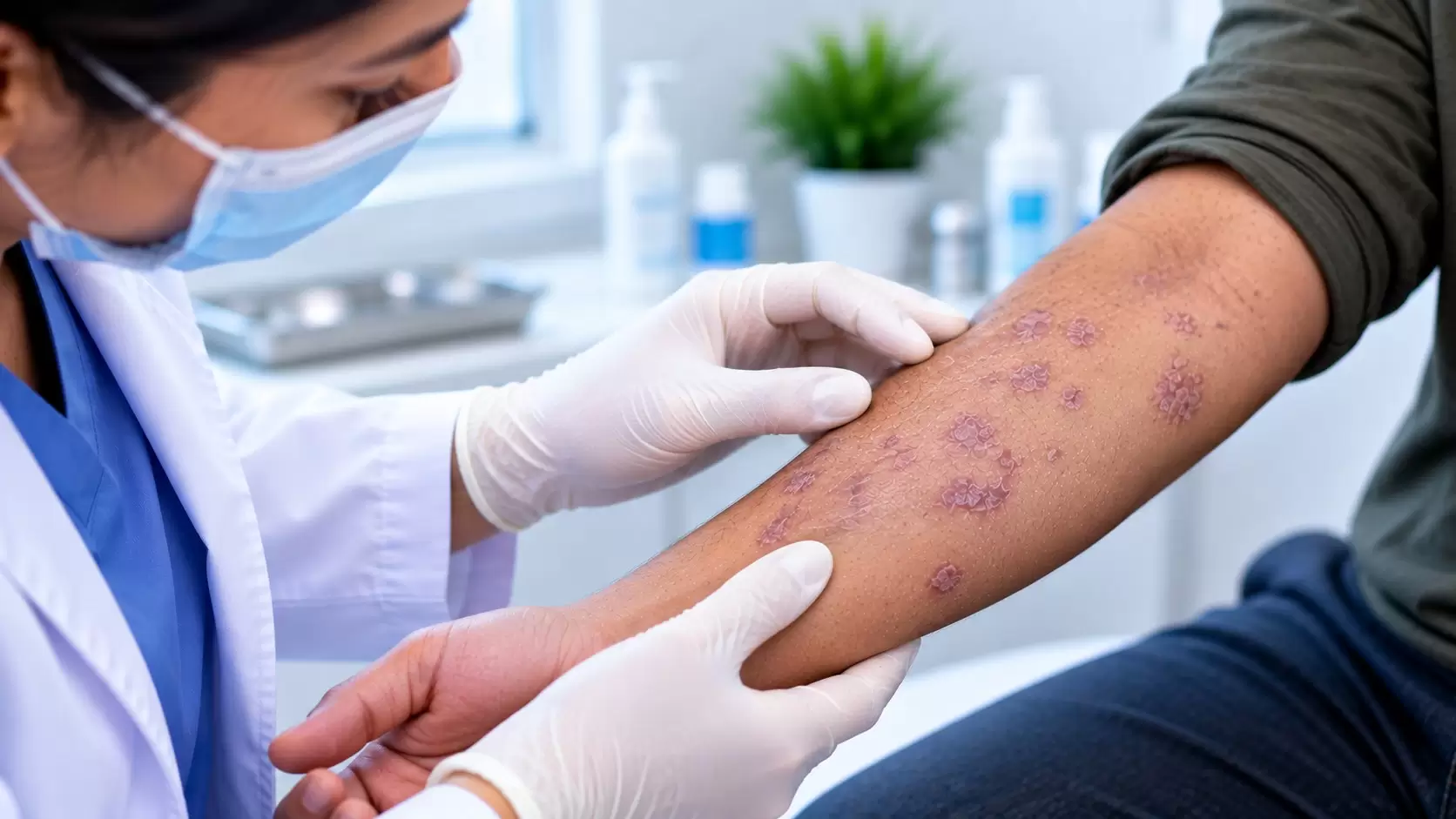
What is oral lichen planus?
Oral lichen planus is lichen planus affecting the mucosal lining inside the mouth. The precise cause is not fully understood, but immune cells are involved in attacking oral epithelial cells and producing chronic inflammation.
The mouth may be the only affected area, or oral disease can occur alongside lichen planus elsewhere on the body. For the broader clinical patterns, see Types of Lichen Planus.
Common oral lichen planus patterns
Reticular
Fine white lines form a lace-like or fern-like pattern, commonly on the inner cheeks. This form may be painless or cause mild soreness.
Erosive / atrophic
Red, inflamed areas can develop superficial erosions or ulcers. These lesions may be painful and can cause burning with food or drink.
Plaque-like
Confluent white patches can resemble other forms of oral keratosis and therefore require appropriate clinical assessment.
Gingival disease
The gums may become red, inflamed and peel, a pattern sometimes described as desquamative gingivitis.
Where does it occur in the mouth?
Oral lichen planus can affect the inner cheeks, sides of the tongue, gums, roof of the mouth and occasionally the lips. More than one site may be involved.
Reticular disease often appears symmetrically on the inner cheeks, while erosive disease can involve the gums and other oral surfaces.
What symptoms can oral lichen planus cause?
White lacy lines
Wickham striae can form a characteristic white network on the oral mucosa.
Burning or tenderness
Inflamed oral tissue may sting or burn, especially when exposed to spicy, acidic or rough foods.
Painful sores
Erosive disease can create persistent raw areas or ulcers that make eating uncomfortable.
Red or peeling gums
Gingival involvement can cause redness, sensitivity and peeling around the teeth.
Is oral lichen planus contagious?
No. Oral lichen planus is not an infectious condition and cannot be transmitted through kissing, sharing food or utensils, or other close contact.
Read Is Lichen Planus Contagious? for a fuller explanation.
How is oral lichen planus diagnosed?
A dermatologist, dentist or oral-medicine clinician may recognise the condition from its appearance and distribution together with the medical and medication history. Examination should also consider other oral disorders that can produce a lichenoid pattern.
A tissue biopsy can help confirm the diagnosis and exclude conditions such as lichenoid drug or contact reactions, lupus-related oral lesions and other mucosal disease. Biopsy is also important when a persistent lesion has concerning clinical features.
How is oral lichen planus treated?
Mild, symptom-free disease may not require active medication, but periodic monitoring is still appropriate. When oral lichen planus causes burning, rawness or painful ulcers, treatment is used to control inflammation and improve comfort.
Topical corticosteroid gels, ointments, pastes or other oral preparations are commonly used. More severe or resistant disease may require other topical treatments or systemic medication selected by the treating clinician.
Treatment is individualised because there is no single best therapy for every patient.
Oral care that may reduce discomfort
Gentle brushing
Use a soft toothbrush and brush carefully to maintain oral hygiene without unnecessarily traumatizing sore areas.
Choose a bland toothpaste
If standard toothpaste irritates the mouth, a mild unflavoured product without sodium lauryl sulfate may be better tolerated.
Avoid personal triggers
Spicy, acidic, crunchy foods, alcohol or strongly flavoured oral products can worsen symptoms for some people.
Maintain dental follow-up
Good plaque control and regular dental care are important because brushing and flossing can become difficult when the mouth is painful.
Can dental materials or medicines cause a similar reaction?
Yes. Oral lichenoid reactions can resemble oral lichen planus and may occasionally be associated with medications or contact allergens in dental materials or oral-care products. A careful medication and dental history can therefore be useful.
Selected patients may need additional investigation, such as patch testing, when a contact reaction is suspected.
Does oral lichen planus need long-term follow-up?
Yes. Oral lichen planus can be chronic and may fluctuate between quiet periods and flare-ups. Persistent erosive or ulcerated disease deserves ongoing clinical review.
A small risk of oral squamous cell carcinoma has been reported, particularly in longstanding erosive disease. This is why persistent ulcers, enlarging nodules, new hard or thickened areas, or lesions that change should be promptly examined and biopsied when appropriate.
When should you see a dermatologist?
Seek assessment for persistent white, red or ulcerated mouth lesions; unexplained burning or soreness; painful gums; recurrent erosions; or any oral lesion that changes, thickens, hardens or does not heal.
For evaluation and management, visit Lichen Planus Treatment in Chennai.
Frequently asked questions
What does oral lichen planus look like?
It commonly causes lacy white lines or spots inside the cheeks, tongue or gums. Erosive forms can cause red, raw, painful or ulcerated areas.
Is oral lichen planus contagious?
No. It is an immune-mediated inflammatory condition and cannot be passed to another person.
How is oral lichen planus diagnosed?
Diagnosis is based on clinical examination and history. A biopsy may be used to confirm the diagnosis or exclude other oral conditions.
How is oral lichen planus treated?
Mild disease may only need monitoring. Symptomatic disease is commonly treated with topical corticosteroids and careful oral hygiene, with other medicines considered for severe disease.
Does oral lichen planus need follow-up?
Yes. Persistent disease should be monitored, particularly erosive or ulcerated disease and any area that changes, thickens or fails to heal.
Medical guidance checked against current American Academy of Dermatology and DermNet guidance.
Visit us in OMR
Persistent mouth lesions or burning? Get them assessed.
Book a dermatologist consultation at Ram Skin Clinic in Thoraipakkam, Chennai.
#48, Second Floor, Flat E, Best Towers,Okkiampet, Thoraipakkam, OMR,
Chennai – 600097. Above Domino’s Pizza.