
Psoriasis & Nutrition
Diet and Psoriasis
There is no single “psoriasis diet” that cures the condition. A healthy, balanced eating pattern can support general health, and selected dietary changes may be useful for some people alongside—not instead of—medical treatment.
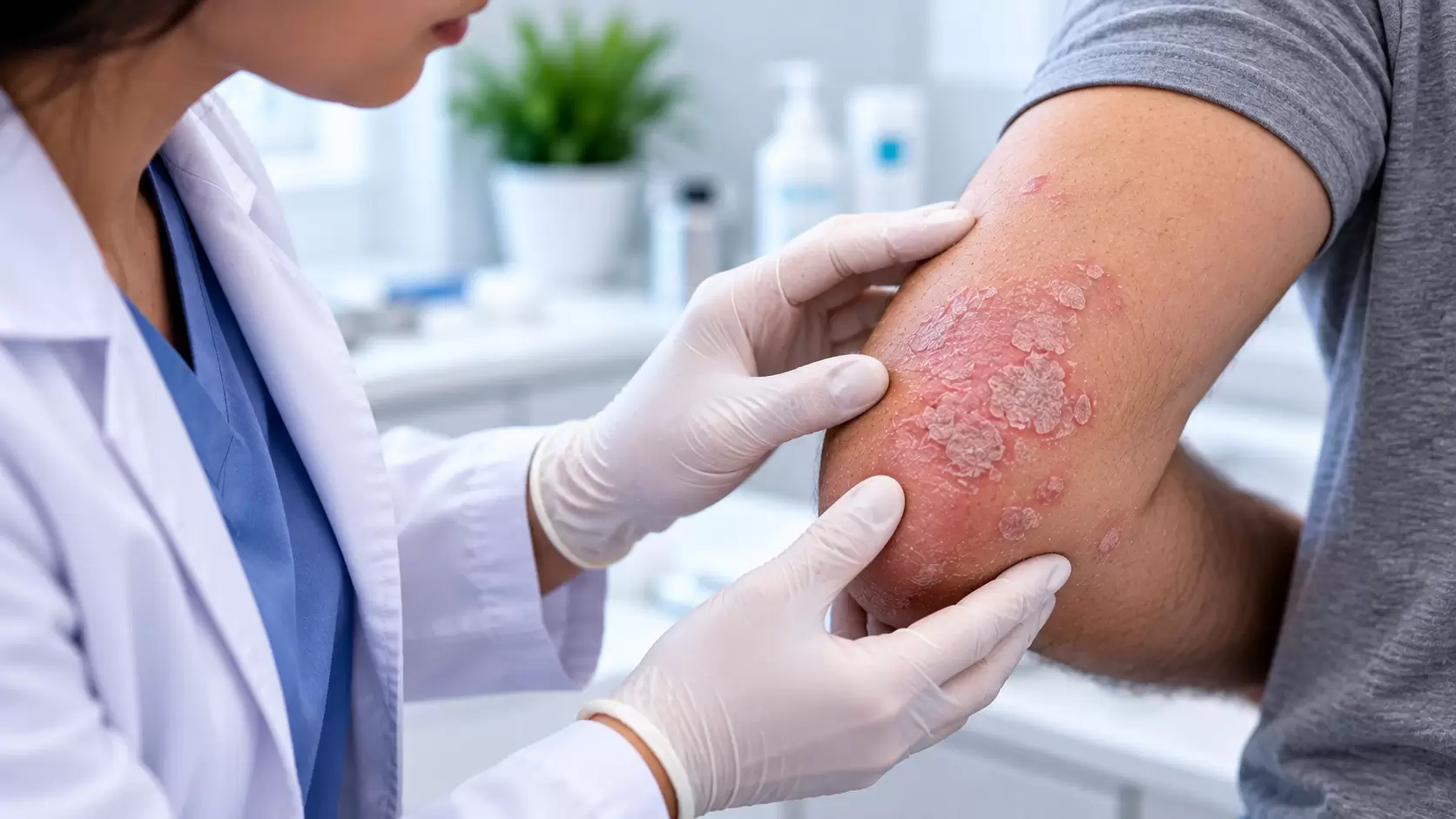
Can diet cure psoriasis?
No diet has been shown to cure psoriasis. Psoriasis is a chronic immune-mediated inflammatory disease, and effective management may require topical treatment, phototherapy or systemic medicines depending on severity.
Nutrition still matters because psoriasis is associated with conditions including obesity, metabolic syndrome, diabetes and cardiovascular disease. A balanced diet can support overall health and weight management while medical treatment addresses the psoriasis itself.
For treatment choices, see Psoriasis Treatment Options.
What should you eat if you have psoriasis?
The American Academy of Dermatology recommends a healthy, well-balanced diet. A practical pattern emphasises vegetables, fruit, whole grains, pulses or beans, nuts, and suitable sources of protein while limiting foods that make it difficult to maintain overall nutritional quality and a healthy weight.
Vegetables and fruit
Use a variety of vegetables and fruit as regular parts of meals rather than relying on isolated “superfoods” marketed as psoriasis treatments.
Whole grains and pulses
Whole grains, beans and lentils can contribute fibre and nutrients to a balanced eating pattern unless there is a specific medical reason to avoid them.
Protein sources
Choose protein sources appropriate to your health needs and preferences, such as fish, eggs, poultry, beans, lentils or other suitable foods.
Healthy eating pattern
Focus on the overall pattern rather than expecting one food, juice or supplement to control an immune-mediated skin disease.
Weight loss and psoriasis
Among dietary interventions, weight reduction has some of the most useful evidence for people with psoriasis who are overweight or obese. The AAD reports that losing weight can reduce psoriasis severity and may improve how well psoriasis medication works.
DermNet also identifies obesity as a factor that can aggravate psoriasis and recommends maintaining an optimal weight as part of general management. Weight loss should be gradual and nutritionally appropriate rather than based on extreme or highly restrictive diets.
Does a Mediterranean diet help psoriasis?
A Mediterranean-style eating pattern typically emphasises vegetables, fruit, legumes, whole grains, nuts, olive oil and fish. It is attractive in psoriasis because it supports cardiovascular health and contains foods rich in fibre and unsaturated fats.
Some studies have found associations between greater adherence to a Mediterranean diet and lower psoriasis severity, but association does not prove that the diet itself caused the improvement. The AAD has noted that more research is needed to determine its effect on psoriasis.
It can still be a reasonable balanced eating pattern for many adults, especially when chosen for overall health rather than promoted as a cure.
Should you avoid gluten?
A gluten-free diet is not routinely recommended for every person with psoriasis. Evidence suggests it may help a subset of people who also have coeliac disease or evidence of gluten sensitivity.
Unnecessary gluten restriction can make eating more complicated and may reduce intake of fibre or nutrients if substitutions are poorly planned. If symptoms or family history raise concern about coeliac disease, discuss testing with a clinician before starting a gluten-free diet because dietary restriction can affect diagnostic testing.
Alcohol, smoking and overall health
Excessive alcohol intake is associated with more difficult psoriasis management and can interact with broader health risks and some treatment decisions. The AAD recommends limiting alcohol, while DermNet lists excessive alcohol as a factor that can aggravate psoriasis.
Smoking is also associated with psoriasis and cardiovascular risk. Stopping smoking and maintaining a healthy weight are important health measures that extend beyond the skin.
Read more about factors that may worsen psoriasis in Psoriasis Triggers & Flare-Ups.
What about supplements and “anti-inflammatory” products?
Fish oil, vitamin D, turmeric or curcumin, zinc and many other supplements are marketed for psoriasis. However, AAD psoriasis guidance notes limited or conflicting evidence for several dietary supplements and alternative approaches and does not recommend them as substitutes for established psoriasis treatment.
Supplements can cause adverse effects and may interact with prescription medicines. The National Psoriasis Foundation advises discussing over-the-counter supplements with your healthcare provider and emphasises that supplements should not replace prescribed medication.
A practical approach to eating well
Start with balance
Build most meals around minimally processed foods, vegetables or fruit, appropriate protein and fibre-rich carbohydrate sources.
Address weight when relevant
If you are overweight, discuss a sustainable calorie deficit and activity plan rather than a rapid fad diet.
Do not eliminate foods without a reason
Restrictive diets can create nutritional gaps. Gluten avoidance, for example, is most relevant when coeliac disease or gluten sensitivity is identified.
Keep treating the psoriasis
Diet is supportive. Continue the treatment plan recommended for your psoriasis severity and tell your dermatologist about supplements or major dietary changes.
Daily skin care is another useful part of long-term management. See Living With Psoriasis: Skin Care Tips.
When to discuss diet with your doctor
Ask for individual advice if you are planning major weight loss, have diabetes or another metabolic condition, suspect coeliac disease, have liver disease, are pregnant, take systemic psoriasis medicines, or want to start supplements.
A dermatologist can also review whether psoriasis is adequately controlled rather than relying on dietary changes to compensate for undertreated disease. For local assessment, visit Psoriasis Treatment in Chennai.
Frequently asked questions
Is there a special psoriasis diet?
There is no single diet proven to cure psoriasis. A healthy, balanced diet is recommended, with individual changes considered according to weight, coeliac disease or other health needs.
Can losing weight improve psoriasis?
For people with psoriasis who are overweight or obese, evidence indicates that weight loss can reduce disease severity and may improve treatment response.
Should everyone with psoriasis avoid gluten?
No. Gluten-free diets are most relevant when coeliac disease or gluten sensitivity is present rather than as a routine diet for everyone with psoriasis.
Does a Mediterranean diet cure psoriasis?
No. A Mediterranean-style diet can be a healthy eating pattern, but current evidence does not establish it as a cure for psoriasis.
Are psoriasis supplements safe?
Not automatically. Supplements can have adverse effects or interact with medicines. Discuss them with your healthcare provider, particularly if you take systemic psoriasis treatment.
Can diet replace psoriasis medicine?
No. Nutrition can support general health and may help selected patients, but it should not replace evidence-based medical treatment for active psoriasis.
For further evidence-based information, see the American Academy of Dermatology, DermNet and National Psoriasis Foundation.
Visit us in OMR
Need help managing psoriasis?
Book a dermatologist consultation at Ram Skin Clinic in Thoraipakkam, Chennai.
#48, Second Floor, Flat E, Best Towers,Okkiampet, Thoraipakkam, OMR,
Chennai – 600097. Above Domino’s Pizza.