
Reducing Keloid Risk
Preventing Keloid Scars
Keloids cannot always be prevented, but people who are prone to them can take practical steps to reduce unnecessary skin injury, care for wounds properly and act early when a scar begins to thicken.
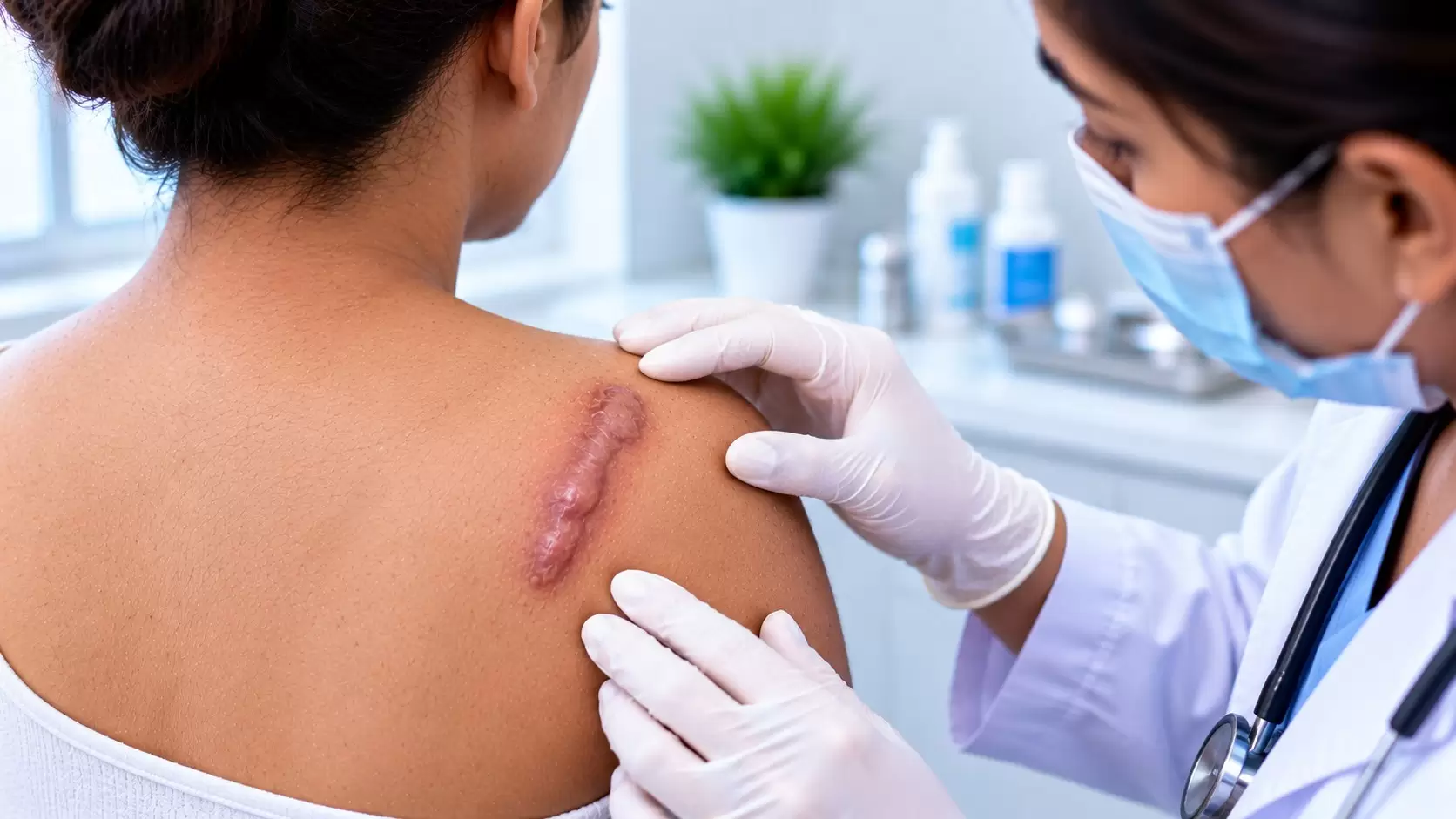
Who should think about keloid prevention?
Prevention matters most for people who have already formed a keloid or have close relatives who develop them. Keloids are also more common in people with darker skin pigmentation, although they can occur in any skin type.
A personal history is especially useful before a planned procedure because it allows scar risk to be discussed in advance.
Avoid unnecessary skin injury
Because keloids usually follow skin injury, reducing avoidable trauma is the most direct preventive strategy for someone known to be keloid-prone.
Piercings
Ear and body piercings are common triggers. If you have previously formed keloids, avoiding elective piercings is the safest way to avoid piercing-related scars.
Tattoos
Tattooing repeatedly injures the skin and can trigger a keloid in susceptible people. Consider this risk before proceeding.
Cosmetic procedures
Procedures that intentionally injure the skin may carry additional scar risk. Tell the treating clinician about your keloid history first.
Picking skin
Repeated picking of acne, bites or scabs adds trauma and inflammation and should be avoided.
Preventing keloids after surgery
If surgery is medically necessary, tell the surgeon that you or close family members have developed keloids. Surgical technique can aim to minimise wound tension, and a postoperative scar-management plan can be considered.
Depending on the site and individual risk, this may include silicone, pressure therapy or dermatologist-directed treatment if the scar begins to thicken.
Care for a new wound properly
Gentle wound care supports orderly healing. Clean a fresh minor wound with soap and water or as directed by your clinician, avoid repeatedly scrubbing it and use an appropriate dressing while it heals.
Harsh products that unnecessarily irritate healing tissue are not a substitute for good wound care. Significant burns, deep wounds or signs of infection require medical assessment.
When can silicone gel or sheets be used?
Silicone gel and silicone sheets are widely used for raised-scar management and prevention in people at risk. They should be applied to closed, healed skin, not an open or actively weeping wound.
Consistent use is important because silicone therapy is generally continued for weeks to months rather than used occasionally.
Pressure therapy after piercings or scar treatment
Pressure earrings, dressings and garments can help selected scars, particularly ear keloids. They are also used after some keloid treatments to reduce the chance of recurrence.
Effective pressure therapy usually requires prolonged daily wear, so fit, comfort and adherence matter. A dermatologist can advise whether the location of your scar makes pressure therapy practical.
Control acne before it leaves raised scars
Inflammatory acne can trigger keloids, especially on the chest, shoulders, upper back and jawline. For someone prone to keloids, early control of deep inflammatory acne can reduce the number of lesions capable of producing significant scars.
Avoid squeezing or repeatedly picking acne lesions, as this adds further tissue injury.
Protect healing scars from the sun
Sun exposure does not itself create a keloid, but ultraviolet exposure can make a new scar more noticeably pigmented. Once the skin has healed, cover the scar when practical or use broad-spectrum SPF 30 or higher sunscreen on exposed areas.
This is particularly useful while the scar is new and pigment changes are evolving.
Watch for early scar thickening
Early signs of a developing keloid can include progressive firmness, thickening, itch, tenderness or growth beyond the original wound. Do not wait for a small thickened scar to become large before seeking advice.
Early assessment gives the dermatologist an opportunity to confirm whether the scar is becoming keloidal and consider measures such as corticosteroid injections or other treatment.
Can prevention guarantee that a keloid will not form?
No. Even careful wound management cannot completely remove the biological tendency to form keloids. Prevention is about reducing avoidable risk and recognising abnormal scar growth early.
If a keloid does develop, several treatments can help flatten it and control symptoms. See Keloid Treatment Options.
What if you already had a keloid removed?
Recurrence prevention is particularly important after keloid treatment. Depending on the procedure and site, the dermatologist may recommend injections, silicone, pressure therapy or another adjunctive approach rather than relying on removal alone.
Read Can Keloids Grow Back After Treatment? for more detail.
When should you see a dermatologist?
Arrange an assessment if a scar starts growing beyond the original injury, becomes progressively thick, painful or itchy, or if you have a history of keloids and are planning surgery, piercing or another procedure that will injure the skin.
For prevention advice and individual treatment planning, visit Keloid Treatment in Chennai.
Frequently asked questions
Can keloids be completely prevented?
Not always. People prone to keloids cannot eliminate the risk completely, but avoiding unnecessary skin injury and using appropriate wound and scar care may reduce it.
Should people prone to keloids avoid piercings?
Avoiding elective piercings is the most reliable way to avoid piercing-related keloids in someone with a personal or strong family history.
When can silicone gel be used on a wound?
Silicone gel or sheets are intended for closed or healed skin and should not be placed over an open wound.
Can treating acne early help prevent keloids?
Yes. Controlling inflammatory acne reduces the number of deep inflamed lesions that might later produce raised scars.
What should I do if a new scar starts thickening?
Seek early dermatology assessment. Early thickening can be a sign that a keloid is developing.
Medical guidance checked against current American Academy of Dermatology and DermNet guidance.
Visit us in OMR
Prone to keloids or seeing a scar thicken? Get it assessed early.
Book a dermatologist consultation at Ram Skin Clinic in Thoraipakkam, Chennai.
#48, Second Floor, Flat E, Best Towers,Okkiampet, Thoraipakkam, OMR,
Chennai – 600097. Above Domino’s Pizza.