Laser Safety & Recovery
Laser Hair Removal Side Effects, Risks and Aftercare
Temporary redness and swelling around treated follicles are common after laser hair reduction. Burns, blistering, pigment changes and paradoxical hair growth are less common but important risks that should be understood before treatment.
What is a normal reaction after laser?
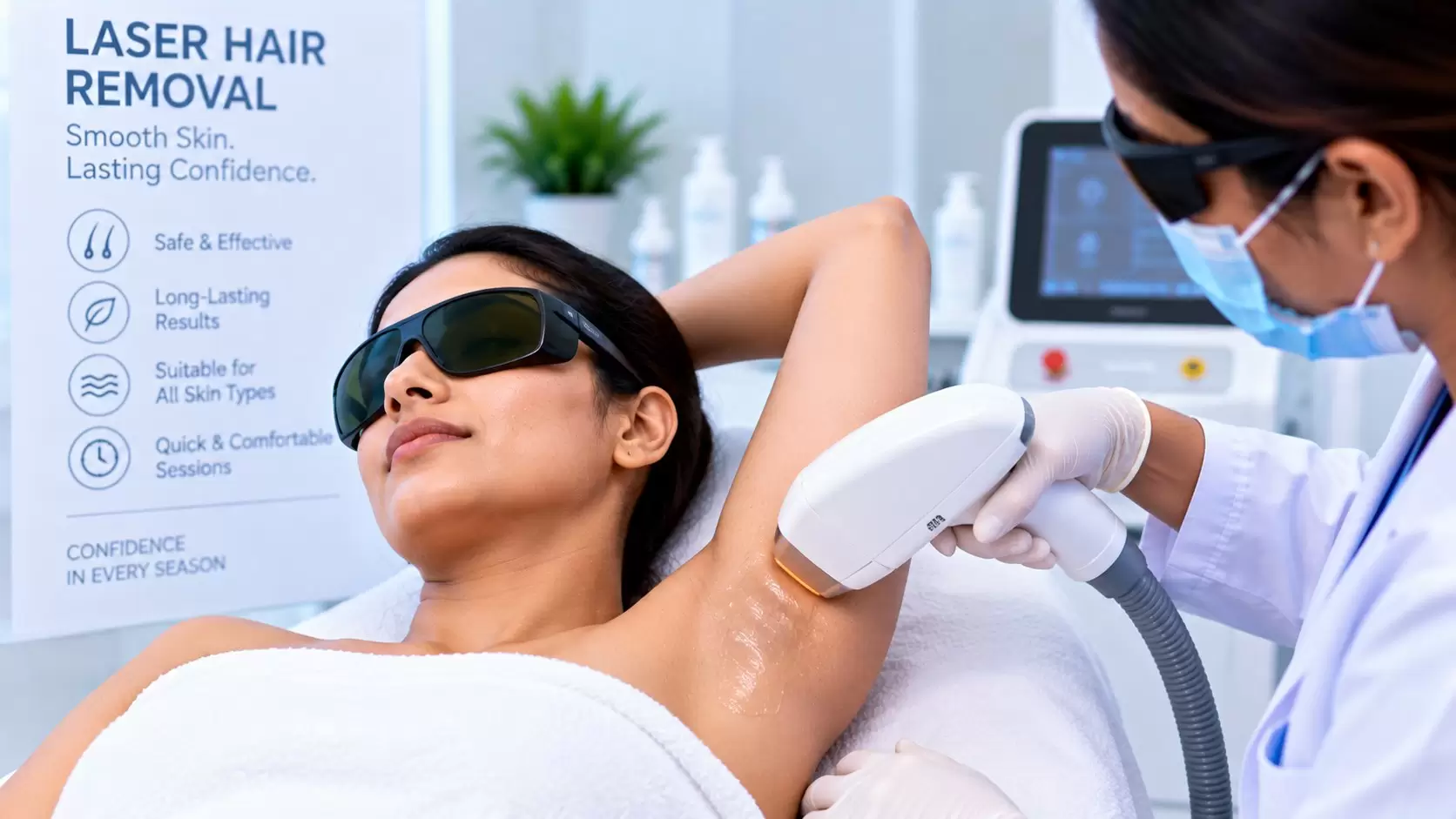
Laser hair reduction deliberately heats pigmented hair structures, so some temporary local inflammation is expected. Mild redness and swelling around individual follicles can occur shortly after treatment, and the skin may feel warm or sensitive.
These reactions should generally improve rather than progressively worsen. The intensity varies with the treatment area, hair density, skin tone, device and parameters.
For how the treatment works, read How Does Laser Hair Removal Work?.
Common short-term side effects
Redness
Temporary erythema can appear around the treated follicles or across the treatment area.
Follicular swelling
Small raised areas around hairs can occur as part of the immediate treatment response.
Warmth or stinging
The skin can feel warm, mildly sore or sensitive for a short period after treatment.
Temporary dryness
Some patients notice mild dryness or sensitivity while the skin settles.
Can laser hair removal cause a burn?
Yes. Laser energy produces heat, and excessive heating of surrounding skin can cause a thermal injury. Risk depends on skin pigmentation, recent tanning, device wavelength, fluence, pulse duration, cooling and treatment technique.
Blistering, significant crusting or severe persistent pain after treatment should not be dismissed as routine redness.
Hyperpigmentation after laser
Post-inflammatory hyperpigmentation means the treated skin becomes darker after inflammation or injury. It is particularly relevant in pigment-prone and darker skin types.
Recent tanning, excessive treatment intensity and additional irritation after the procedure can increase risk. Sun protection is therefore an important part of aftercare.
Read Laser Hair Removal for Indian Skin for a detailed discussion.
Can laser cause hypopigmentation?
Hypopigmentation is unwanted lightening of the treated skin. It can occur if thermal injury affects pigment-producing cells and may be more noticeable in darker skin.
Persistent light patches should be reviewed rather than repeatedly treated with further laser without assessment.
What is paradoxical hair growth?
Paradoxical hypertrichosis refers to increased or coarser hair growth in or around a laser-treated area. It is uncommon but has been reported, particularly when treating certain facial or neck areas and fine hair.
This is one reason visible hair should not automatically be considered a good laser target. Fine, lightly pigmented facial hair can respond less predictably than coarse dark terminal hair.
Can laser hair removal cause scarring?
Scarring is uncommon, but significant burns or secondary complications can potentially leave lasting changes. Appropriate treatment selection and prompt review of an abnormal reaction reduce avoidable risk.
Aftercare: the basic principles
Keep the skin cool and gentle
Avoid unnecessary friction, harsh scrubs and products that sting while the area is sensitive.
Protect from sunlight
Sun exposure can worsen inflammation-related pigment changes. Follow the clinic’s sunscreen and sun-avoidance advice.
Avoid picking
If the skin develops small irritated areas, do not scratch or pick them.
Follow product instructions
Ask when to resume retinoids, acids, exfoliants, deodorants or other potentially irritating products on the treated area.
Can you shower after laser hair removal?
Follow the treating clinic’s specific instructions. When the skin is warm or sensitive, very hot water and vigorous rubbing can increase discomfort. Gentle cleansing is preferable while irritation settles.
Can you exercise after laser?
Heavy exercise increases heat, sweat and friction, which can make recently treated skin more uncomfortable. Depending on the area and intensity of treatment, the clinic may advise temporarily avoiding strenuous exercise, saunas or steam rooms.
When can you shave again?
Shaving removes hair at the skin surface without pulling the follicular target from the root. It is generally the preferred method of hair control during a laser course, but wait until the skin has recovered enough that shaving will not cause additional irritation.
Do not wax, thread or pluck treated target hairs between sessions unless specifically advised.
What about deodorant, perfume or active skincare?
Products containing fragrance, alcohol, acids, retinoids or other irritants may sting recently treated skin. The appropriate pause depends on the area, product and treatment response.
Use the aftercare instructions from the treating clinic rather than applying a fixed timetable to every body area.
Why sun exposure matters before and after treatment
Before treatment, tanning increases epidermal melanin and can narrow the laser safety margin. After treatment, ultraviolet exposure can contribute to post-inflammatory pigmentation.
Tell the clinic if your skin has recently tanned or changed colour. A treatment may need to be adjusted or postponed.
When should you contact the clinic?
Seek advice if you develop severe or worsening pain, significant blistering, extensive crusting, progressive swelling, signs of infection, persistent pigment changes or another reaction that is worsening rather than settling.
Photographs taken soon after an unexpected reaction can also help the treating clinician assess progression.
Who needs extra caution?
Tell the clinician about active skin infections, open wounds, significant eczema or dermatitis in the treatment area, recent tanning, previous laser reactions, medicines and photosensitivity. Pregnancy should also be disclosed before planning an elective cosmetic procedure.
If facial or body hair has increased suddenly, medical assessment may be appropriate because laser reduces hair but does not diagnose or treat an underlying hormonal cause.
How results and side effects should be balanced
Higher energy is not automatically better. Treatment aims to produce useful follicular heating while protecting surrounding skin. A safe, progressive course is preferable to unnecessarily aggressive treatment intended to force faster results.
For session planning, read How Many Laser Hair Removal Sessions Are Needed?. For clinic details, visit Laser Hair Removal in Chennai.
Frequently asked questions
What are the common side effects of laser hair removal?
Temporary redness, follicular swelling, warmth, stinging and mild sensitivity are common short-term reactions.
Can laser hair removal burn the skin?
Yes. Excessive thermal injury can cause burns or blisters, particularly when treatment parameters do not adequately account for skin pigmentation and other factors.
Can laser hair removal make skin darker?
Post-inflammatory hyperpigmentation can occur, especially in pigment-prone skin or after excessive inflammation and sun exposure.
Can laser hair removal increase hair growth?
Paradoxical increased hair growth is uncommon but has been reported, particularly in some facial or neck areas and when treating fine hair.
What should I avoid after laser hair removal?
Avoid unnecessary heat, friction, picking, strong irritants and excessive sun exposure while the skin is recovering, following the specific instructions given by the treating clinic.
Laser hair removal in OMR, Chennai
Good laser treatment includes safe aftercare.
Book a consultation at Ram Skin Clinic in Thoraipakkam, Chennai.
#48, Second Floor, Flat E, Best Towers,Okkiampet, Thoraipakkam, OMR,
Chennai – 600097. Above Domino’s Pizza.