
Understanding Eczema Flares
Common Eczema Triggers
Eczema triggers vary from person to person. Everyday irritants, heat and sweating, weather changes, stress, certain fabrics and some allergens can aggravate atopic dermatitis in susceptible skin.
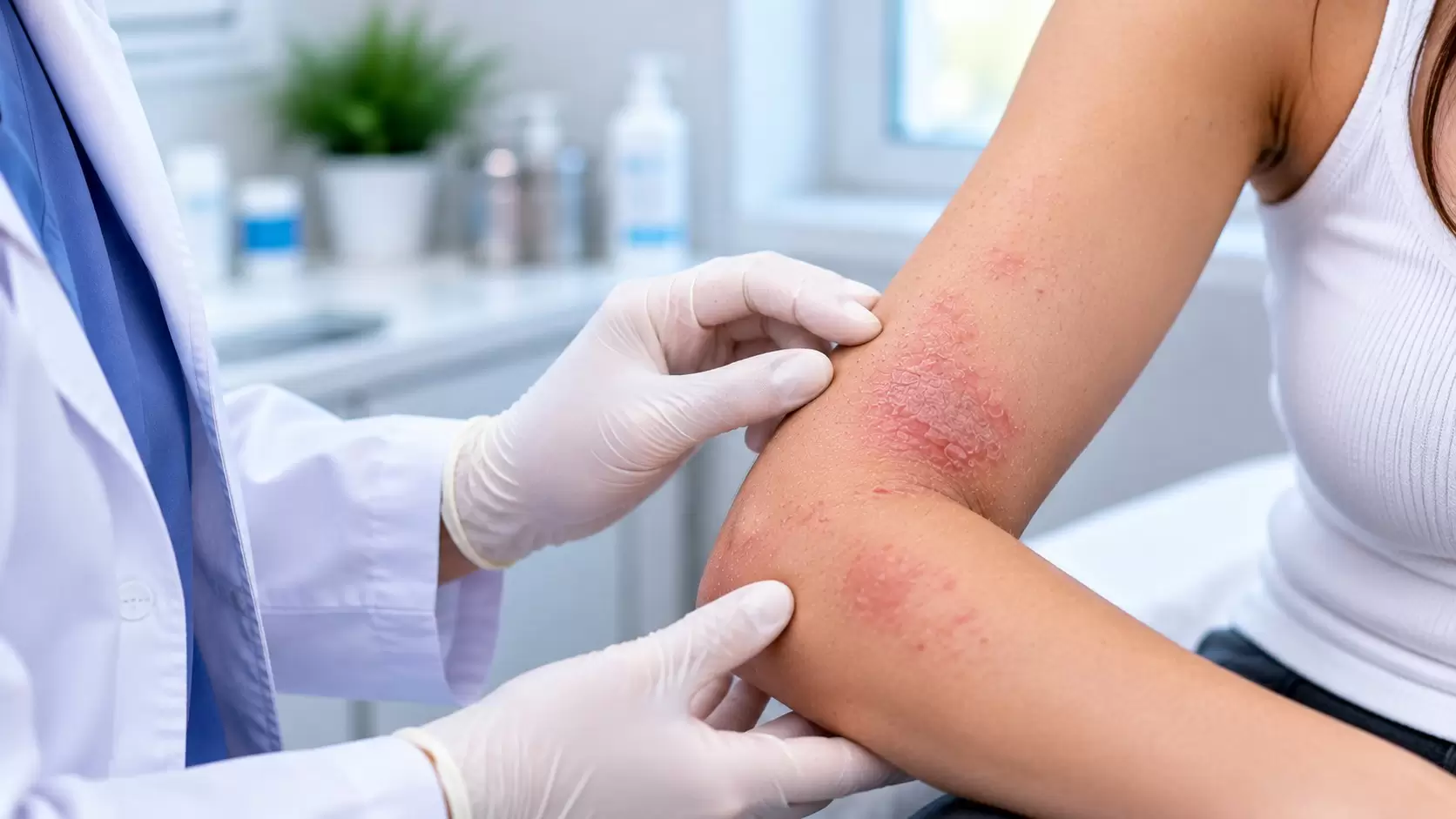
Trigger versus cause
Atopic dermatitis develops through a complex interaction involving the skin barrier, immune system, genetics and environmental factors. A trigger is something that causes existing eczema to flare or makes symptoms worse; it does not necessarily explain why a person developed eczema in the first place.
Triggers are highly individual. One person may flare after overheating, while another notices problems with a fragranced product or cold dry weather. Some people cannot identify a specific trigger at all.
For background on the condition itself, see Eczema Causes, Symptoms & Types.
Common eczema triggers
Soaps and detergents
Soap, harsh cleansers, washing-up liquids, antiseptics and some laundry products can dry or irritate eczema-prone skin.
Fragrance and skin-care products
Fragrances in moisturisers, cosmetics, shampoos and other products can trigger sensitive skin. Fragrance-free products are generally preferable.
Heat and sweating
Overheating and sweat are common triggers. Keeping the environment comfortable and choosing breathable clothing can reduce irritation.
Cold or dry weather
Low humidity and cold weather can increase skin dryness and make eczema harder to control.
Wool and rough fabrics
Wool, coarse fibres, tight clothing, seams and tags can rub sensitive skin and provoke itching or a flare.
Stress
Psychological stress can worsen eczema in some people. The relationship is individual and stress management complements rather than replaces medical treatment.
Products that touch your skin
Eczema-prone skin has a less effective barrier and can react to products that other people tolerate easily. Fragranced cleansers, cosmetics, detergents and fabric products are frequent examples. The American Academy of Dermatology recommends choosing products labelled fragrance-free rather than merely “unscented,” because an unscented product may still contain fragrance used to mask odour.
Repeated wet work, frequent handwashing and exposure to cleaning chemicals can also aggravate hand eczema. When practical, reduce unnecessary contact with irritants and use appropriate protection for household or occupational exposure.
Heat, sweat and weather changes
Heat, sweating and sudden temperature changes are recognised eczema triggers. Hot weather can increase itching, while very dry air can remove moisture from the skin. Cold weather may also worsen dryness and cracking.
Use lightweight, breathable clothing, avoid unnecessary overheating and moisturise regularly when the environment is dry. Short warm—not hot—showers are generally kinder to eczema-prone skin.
Can pollen, dust mites or pets trigger eczema?
Environmental allergens such as pollen, house-dust mites, mould or pet dander can be associated with flares in some individuals, but they are not universal eczema triggers. The AAD advises looking for a consistent pattern rather than assuming an allergen is responsible.
Extensive dust-mite control measures can be difficult and are not automatically necessary for everyone. If severe eczema remains poorly controlled despite appropriate treatment and skin care, discuss possible environmental triggers with a dermatologist.
Does food trigger eczema?
Food allergy can coexist with atopic dermatitis, especially in some children with more severe disease, but most atopic dermatitis is not caused by a single food allergy. Removing foods without medical guidance can create nutritional deficiencies and may complicate proper allergy assessment.
The NHS specifically advises against changing the diet for atopic eczema unless a doctor recommends it. If a food appears to produce a reproducible reaction, record what happened and discuss it with an appropriate clinician rather than beginning a broad elimination diet.
Skin infection can worsen eczema
Eczema-prone skin is more vulnerable to infection because the skin barrier is impaired and scratching creates additional breaks. Bacterial infection can increase inflammation and make eczema more difficult to control.
Seek medical advice if eczema becomes painful, warm, swollen, rapidly worse, crusted, leaking fluid or develops pus-filled spots, particularly if fever or feeling unwell is present.
How to identify your triggers
Look for repetition
A suspected trigger is more convincing when the same exposure repeatedly precedes a flare rather than occurring once by coincidence.
Keep a simple diary
Note new products, weather, sweating, clothing, illness, stress and unusual exposures alongside changes in eczema symptoms.
Change one factor at a time
Where safe and practical, removing one suspected irritant makes it easier to judge whether it actually affects your eczema.
Keep treating the eczema
Trigger avoidance alone does not cure atopic dermatitis. Continue moisturising and prescribed anti-inflammatory treatment according to your clinician’s plan.
If you are still learning to recognise a flare, read Early Signs of Eczema.
When should you see a dermatologist?
Arrange assessment if eczema is persistent, recurrent, interfering with sleep or daily activities, or if you cannot control it despite regular skin care and prescribed treatment. A dermatologist can help distinguish genuine triggers from coincidental exposures and assess whether contact allergy or another diagnosis should be considered.
For consultation and treatment information, visit Eczema Treatment in Chennai.
Frequently asked questions
What are the most common eczema triggers?
Common triggers include soaps and detergents, fragrance, harsh skin-care products, wool or rough clothing, heat and sweating, cold or dry weather, temperature changes and stress. Triggers vary between individuals.
Is a trigger the same as the cause of eczema?
No. Atopic dermatitis has complex underlying causes involving the skin barrier, immune system and genetics. A trigger is something that makes established eczema flare or worsen.
Can stress cause an eczema flare?
Yes. Stress is a recognised trigger for some people with eczema, although it is not the sole underlying cause of atopic dermatitis.
Can food cause eczema?
Food allergy can coexist with eczema in some people, particularly children with severe disease, but most eczema is not caused by a single food. Avoid elimination diets unless medically advised.
Does sweating make eczema worse?
Heat, sweating and overheating are common eczema triggers. Keeping cool and using breathable clothing may help reduce flares.
Can I prevent every eczema flare by avoiding triggers?
No. Trigger management can reduce some flares, but atopic dermatitis is a chronic inflammatory condition and often also requires regular skin care and medical treatment.
For authoritative guidance, see the American Academy of Dermatology, DermNet and NHS.
Visit us in OMR
Frequent eczema flare-ups?
Book a dermatologist consultation at Ram Skin Clinic in Thoraipakkam, Chennai.
#48, Second Floor, Flat E, Best Towers,Okkiampet, Thoraipakkam, OMR,
Chennai – 600097. Above Domino’s Pizza.