
Food, Nutrition & Breakouts
Diet and Acne: Can Sugar, Dairy or Certain Foods Cause Breakouts?
Diet may influence acne in some people, but acne is not caused by one food and restrictive diets are not a substitute for appropriate treatment. Research is strongest around dietary patterns with a high glycemic load, while evidence involving dairy and other foods is more variable.
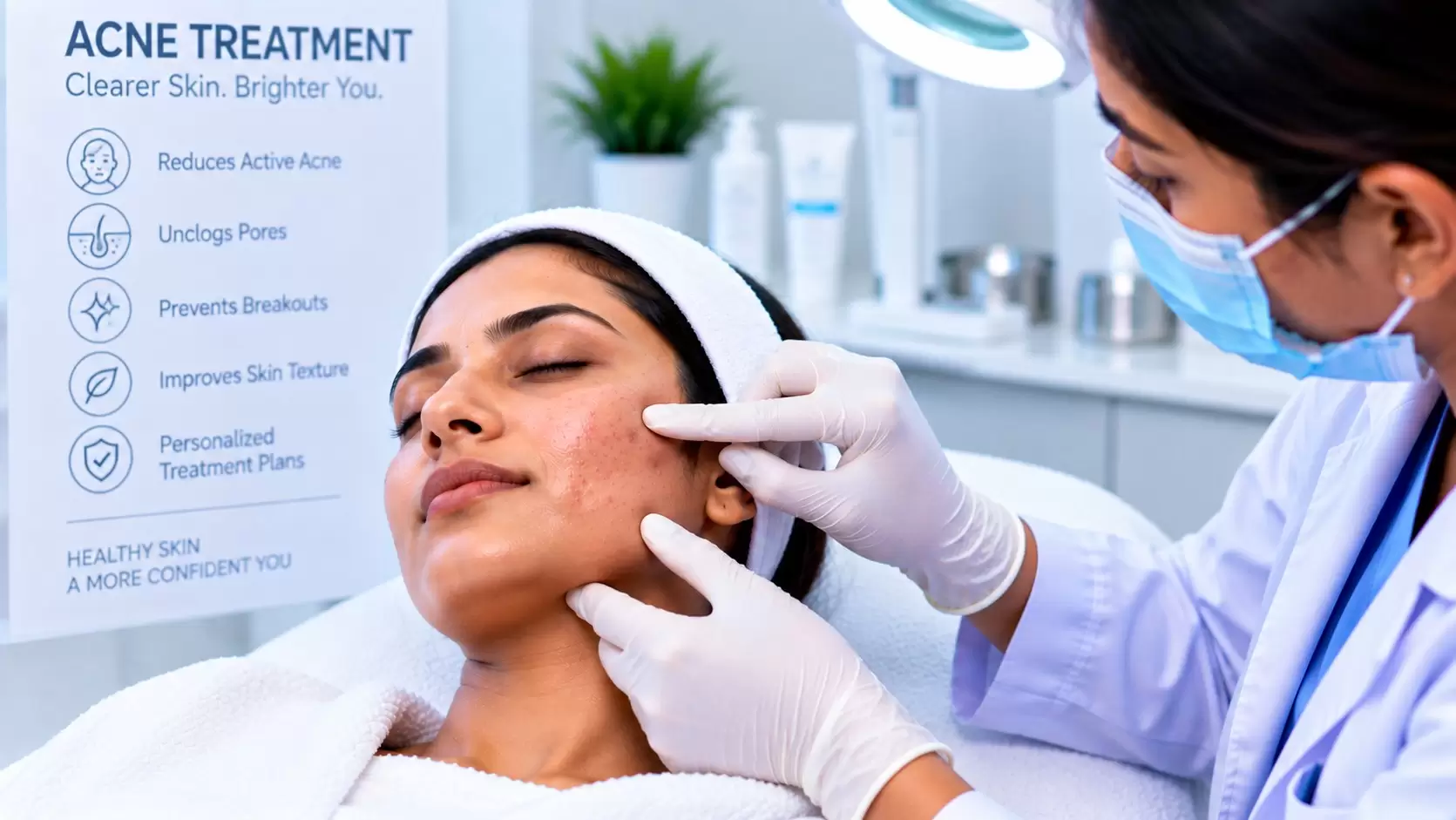
Does food actually cause acne?
Acne develops through a combination of follicular plugging, sebum production, Cutibacterium acnes activity and inflammation. Genetics and hormones also matter. Diet may modify some biological pathways, but it is not the sole cause of acne.
For the underlying mechanisms, read What Causes Acne?.
High-glycemic foods and acne
High-glycemic foods cause a relatively rapid rise in blood glucose. Research suggests that high-glycemic dietary patterns may worsen acne in some people, potentially through insulin-related pathways that influence sebaceous glands and follicular biology.
This does not mean one sweet or one serving of refined carbohydrate immediately creates a pimple. Overall dietary pattern and individual susceptibility are more relevant than blaming a single meal.
Does sugar cause pimples?
It is more accurate to discuss glycemic load than to say sugar causes acne. Diets dominated by sugary drinks, sweets and highly refined carbohydrates can contribute to a high-glycemic pattern, but acne response varies between individuals.
Milk, dairy and acne
Observational studies have reported associations between milk intake and acne in some populations. However, the evidence does not establish that dairy causes acne in everyone, and findings vary by dairy type, quantity and study population.
If you suspect a consistent relationship, discuss it with a clinician rather than eliminating all dairy indefinitely without considering nutritional needs.
What about whey protein and breakouts?
Acne associated with whey protein supplements has been reported, including in people using supplements for fitness or muscle gain. Evidence is less extensive than for established acne therapies, but a temporal relationship can be worth considering when acne begins or worsens after starting whey.
If the timing is convincing, discuss the supplement with your clinician or dietitian and consider whether a structured change is appropriate.
Does chocolate cause acne?
The relationship is not straightforward. Chocolate products differ greatly in sugar, milk and cocoa content, and research has not established a universal rule that chocolate causes acne.
If a particular food repeatedly appears to precede flares, record the pattern rather than assuming that everyone with acne must avoid it.
Can oily food make skin more oily?
Eating an oily meal does not simply transfer dietary oil into facial sebum. Sebum production is regulated by sebaceous-gland biology, including hormonal influences.
A balanced diet is still appropriate for general health, but avoiding all dietary fat is neither necessary nor advisable for acne.
What should someone with acne eat?
Less-refined carbohydrates
Choose whole grains and minimally processed carbohydrate sources more often as part of a balanced diet.
Vegetables and fruit
Include a varied range rather than relying on supplements marketed as acne cures.
Adequate protein
Use protein sources appropriate to your nutritional needs while considering individual reactions to supplements.
Healthy dietary fats
Do not eliminate fats unnecessarily; focus on an overall balanced eating pattern.
Should you try an elimination diet?
Broad elimination diets can become unnecessarily restrictive and may create nutritional problems. If a specific food appears strongly linked to flares, a structured food-and-acne diary is more informative than removing many foods simultaneously.
People with medical conditions, restrictive diets or nutritional concerns should involve an appropriate healthcare professional or dietitian.
How to track possible food-related breakouts
Record meals, supplements and acne severity over several weeks rather than judging from one breakout. Acne lesions take time to develop, which makes immediate cause-and-effect assumptions unreliable.
Also record menstrual timing, new skincare, medicines, stress and other changes that could affect the pattern.
Diet and hormonal acne
Dietary and metabolic factors are sometimes discussed in relation to PCOS, but acne plus a dietary trigger does not diagnose PCOS. Women with irregular periods, excess facial/body hair or other signs of androgen excess should be assessed based on the full clinical picture.
Read Hormonal Acne in Women.
Diet cannot replace acne treatment
Someone with painful nodules, scarring acne or persistent inflammatory acne should not delay effective treatment while attempting increasingly restrictive diets. Medical therapy can target the biological processes driving active acne.
Combine diet with a sensible skincare routine
A gentle cleanser, suitable acne treatment, moisturiser and sunscreen are a practical foundation. Excessive scrubbing or rapidly switching products because of a flare can increase irritation.
See our Skincare Routine for Acne-Prone Skin.
When should you see a dermatologist?
Seek assessment when acne is painful, nodular, scarring, widespread, repeatedly recurring or not improving with appropriate care. Diet may be one contributing factor, but persistent acne often needs a broader treatment plan.
Visit Acne Treatment in Chennai.
Frequently asked questions
Does sugar cause acne?
High-glycemic dietary patterns may worsen acne in some people, but sugar is not a universal single cause of acne.
Should I stop drinking milk if I have acne?
Not automatically. Some studies report associations between milk and acne, but responses vary.
Can whey protein cause acne?
Whey-associated acne has been reported, and a clear temporal relationship can be worth assessing.
Does chocolate cause pimples?
Evidence does not support a simple universal rule, and individual responses differ.
Can changing my diet cure acne?
Dietary changes may help some people but are not a guaranteed cure and should not replace appropriate treatment for significant acne.
Acne treatment in OMR, Chennai
Look for real patterns—not food myths.
Book a consultation at Ram Skin Clinic in Thoraipakkam, Chennai.
#48, Second Floor, Flat E, Best Towers,Okkiampet, Thoraipakkam, OMR,
Chennai – 600097. Above Domino’s Pizza.