
Safety, Recovery & Scalp Care
GFC Hair Treatment Side Effects, Safety and Aftercare
GFC is prepared from the patient’s own blood, but it is still a medical procedure involving blood collection and multiple scalp injections. Temporary tenderness, redness, swelling or pinpoint bleeding can occur, while infection and other significant complications are uncommon when appropriate technique is used.
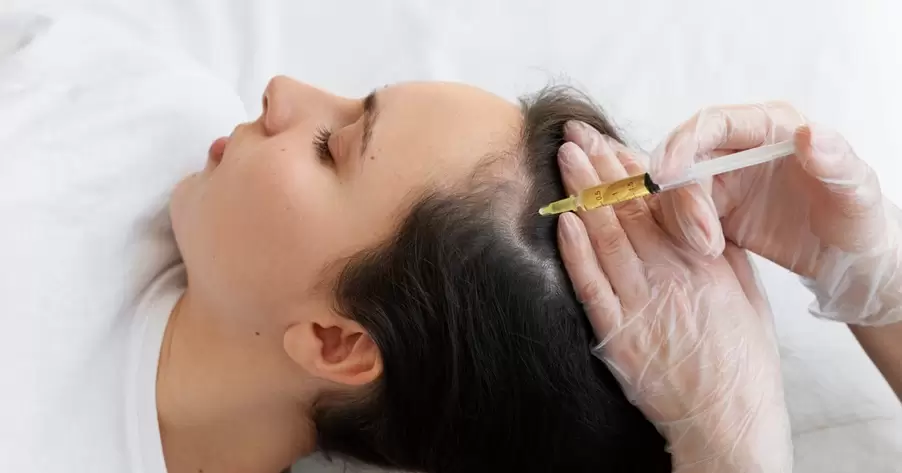
Is GFC hair treatment safe?
GFC is an autologous treatment, meaning the biological preparation comes from the patient’s own blood. This avoids exposure to a donor-derived growth-factor product, but it does not make the procedure completely free of risk.
Blood must be collected and the scalp is injected repeatedly. Safety therefore depends on correct diagnosis, appropriate medical history, sterile preparation, injection technique and aftercare.
If you are new to the procedure, see What Is GFC Hair Treatment?.
Common short-term GFC side effects
Injection discomfort
Multiple small injections are required, so temporary stinging or discomfort during treatment is expected.
Scalp tenderness
The treated areas may feel sore or sensitive for a short period after the session.
Redness or swelling
Mild local redness and swelling can occur around injection sites and generally settle as the scalp recovers.
Pinpoint bleeding or bruising
Small spots of bleeding and occasional bruising are possible because needles pass through the scalp.
Can GFC cause an allergic reaction?
The growth-factor preparation is derived from the patient’s own blood, so an allergic reaction to the autologous concentrate itself is not the typical concern seen with a foreign biological material.
However, other products used during a procedure—such as antiseptics, dressings or local anaesthetic when used—can have their own risks. Any previous medication, anaesthetic or antiseptic allergy should therefore be disclosed before treatment.
What about infection?
Any procedure that penetrates the skin carries a potential infection risk. The risk is reduced by sterile blood collection, appropriate processing and aseptic scalp injection technique.
Can GFC make hair loss worse?
GFC is not intended to damage viable follicles, but ongoing hair loss can continue because the underlying condition remains active. For example, androgenetic alopecia is progressive and GFC does not remove its genetic or hormonal drivers.
If shedding appears to increase or thinning continues, the diagnosis and overall treatment plan should be reviewed rather than assuming additional GFC sessions alone will solve the problem.
Who needs extra caution before GFC?
Active scalp infection
Infection or significant scalp inflammation may need treatment before elective injections.
Bleeding or platelet disorders
Conditions affecting platelets, clotting or blood counts should be disclosed and may alter suitability.
Blood-thinning medicines
Anticoagulant or antiplatelet treatment can influence bruising and bleeding risk. Do not stop prescribed medication without medical advice.
Unexplained hair loss
Sudden, patchy or scarring hair loss requires diagnosis before choosing a regenerative procedure.
Why your medical history matters
Before treatment, tell the dermatologist about current medicines, supplements, bleeding problems, anaemia or blood disorders, recent illness, scalp disease, previous hair procedures and any other significant medical conditions.
Pregnancy or breastfeeding should also be disclosed so that the overall treatment plan and any medicines used alongside the procedure can be reviewed appropriately.
GFC aftercare: what should you do?
Aftercare instructions can vary with the protocol, so the treating dermatologist’s directions take priority. In general, the goal is to keep the scalp clean and avoid unnecessary irritation while the injection sites settle.
Avoid scratching or repeatedly touching the treated scalp with unwashed hands. If the clinic provides instructions about hair washing, exercise, topical products or medications, follow the specific timeframe given for your procedure.
When can you wash your hair after GFC?
The appropriate timing can vary according to the injection protocol and products used. Rather than relying on a universal internet rule, follow the post-procedure instructions given by the treating clinic.
When washing is resumed, gentle handling is sensible. Avoid aggressive scratching or vigorous massage of recently injected areas unless specifically advised.
Can you exercise after GFC?
Strenuous exercise produces heat and sweating and may make a recently treated scalp feel more irritated. Clinics may advise a short pause from vigorous exercise after injections.
The exact restriction should follow the clinician’s protocol because treatment technique and individual circumstances differ.
What should you avoid after GFC?
Immediately after treatment, avoid unnecessary trauma to the scalp. Do not pick injection sites or apply unapproved irritating products. If you use topical hair-loss medicines, ask when they should be restarted rather than assuming they must be applied immediately.
Likewise, do not stop prescribed systemic medicines without discussing them with the prescribing doctor.
When should you seek medical advice?
Mild tenderness or redness can occur, but symptoms should generally improve rather than progressively worsen. Contact the clinic if you experience severe or increasing pain, marked swelling, persistent bleeding, pus, fever, spreading redness, an unusual rash or another reaction that concerns you.
Prompt assessment helps distinguish an expected injection reaction from a complication requiring treatment.
Does GFC have a long downtime?
Most patients undergoing minimally invasive scalp injections do not require the prolonged recovery associated with surgical hair restoration. Temporary redness, tenderness or visible injection points can nevertheless be inconvenient for a short period.
Individual recovery varies, so schedule important social or professional commitments with the possibility of temporary scalp changes in mind.
Safety starts with the correct diagnosis
Performing GFC on the wrong type of hair loss may not cause a procedural complication, but it can delay appropriate treatment. Scarring alopecia, fungal infection, alopecia areata and shedding caused by systemic factors require different management.
Before deciding on injections, a dermatologist should assess whether GFC is relevant to the diagnosed condition and whether viable follicles remain.
See How GFC Works for Hair Loss, GFC Results and Timeline and GFC vs PRP for the rest of this treatment guide.
Frequently asked questions
What are the common side effects of GFC hair treatment?
Temporary injection discomfort, scalp tenderness, redness, mild swelling, pinpoint bleeding and occasional bruising can occur.
Can GFC cause infection?
Infection is uncommon but is a potential risk of any injection procedure. Appropriate sterile technique reduces this risk.
Can I wash my hair immediately after GFC?
Follow the specific instructions provided by the treating clinic because recommended timing can vary according to the protocol.
Is GFC safe because it uses my own blood?
Using an autologous preparation reduces concerns about reaction to donor-derived material, but blood collection and scalp injections still carry procedural risks such as discomfort, bleeding, bruising and infection.
When should I call the dermatologist after GFC?
Seek advice for worsening pain, spreading redness, marked swelling, persistent bleeding, pus, fever, an unusual rash or another unexpected reaction.
GFC hair treatment in OMR, Chennai
Considering GFC? Start with a dermatologist-led hair and scalp assessment.
Book a consultation at Ram Skin Clinic in Thoraipakkam, Chennai.
#48, Second Floor, Flat E, Best Towers,Okkiampet, Thoraipakkam, OMR,
Chennai – 600097. Above Domino’s Pizza.