
Understanding Scalp Flakes
Dandruff vs Dry Scalp: How to Tell the Difference
Dandruff and dry scalp can both produce flakes and itching, but they are not necessarily the same problem. Dandruff is linked to seborrheic dermatitis, while a dry scalp reflects reduced moisture or irritation and may need a different care approach.
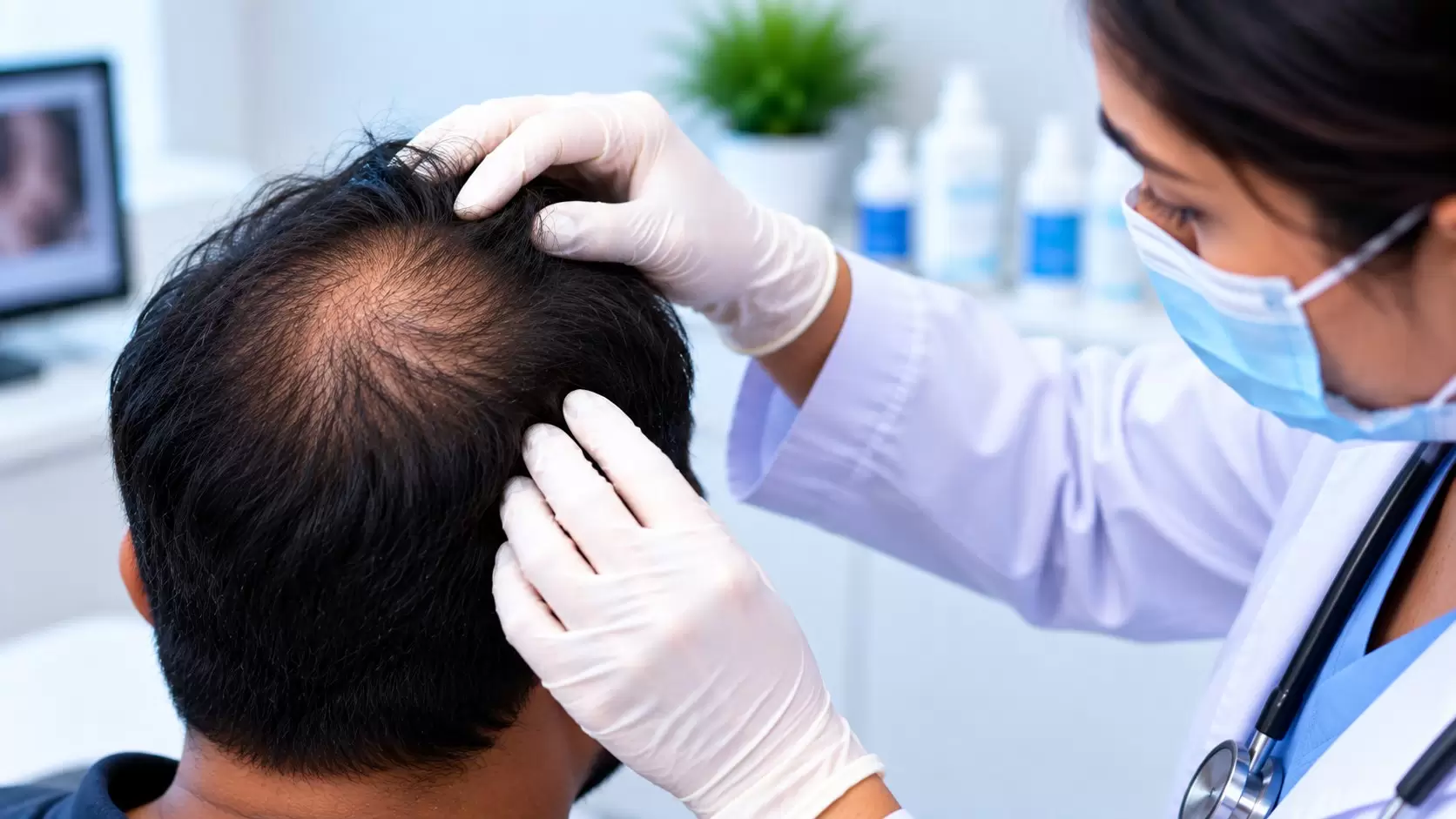
Dandruff and dry scalp can look similar
Both conditions can leave flakes on the hair and shoulders and both may itch. This overlap is why people often use the terms interchangeably.
The important distinction is what is happening in the scalp. Dandruff sits on the seborrheic dermatitis spectrum and is associated with Malassezia yeast, sebum and an individual’s inflammatory response. Dry scalp is more directly related to loss of moisture or irritation.
Read What Causes Dandruff? for the mechanisms behind dandruff.
Dandruff vs dry scalp: quick comparison
Dandruff
Often has more obvious white or yellowish flakes, may occur with an oily scalp and is associated with seborrheic dermatitis. Mild itching is common.
Dry scalp
Often produces smaller dry flakes with a tight or dry feeling. Other areas of skin may also be dry, particularly in low humidity or after irritating skin-care practices.
Inflammation
Simple dandruff has little obvious inflammation, while seborrheic dermatitis can cause redness or inflammation. Dryness can also become irritated if the barrier is disrupted.
Treatment approach
Dandruff often responds to medicated anti-dandruff shampoo. Dry scalp generally benefits from avoiding harsh products and restoring moisture while addressing the underlying cause.
What dandruff typically looks like
Dandruff usually causes diffuse scale across the scalp. Flakes can be white or yellowish and may be more noticeable in the hair or on dark clothing.
The scalp can be oily rather than dry. When the process is more inflammatory, seborrheic dermatitis can cause visible redness and greasy scale and may also affect the eyebrows, sides of the nose, ears or beard area.
What a dry scalp typically feels like
A dry scalp may feel tight, rough or itchy and often produces finer, powdery scale. Dryness can become more noticeable in low humidity, with frequent exposure to hot water or when harsh cleansers disrupt the skin barrier.
If you have dry skin on the arms, legs or face as well as scalp flaking, that broader pattern can support dryness as part of the explanation, although it does not exclude another scalp condition.
Can you have dandruff with an oily scalp?
Yes. This is one of the most useful misconceptions to correct. Seborrheic dermatitis tends to affect areas with abundant sebaceous glands, including the scalp, face and chest.
Therefore, flakes do not automatically mean the scalp lacks oil. Applying heavy oils to dandruff because the scalp appears “dry” may not address the underlying condition.
What causes a genuinely dry scalp?
Dryness can occur when the scalp’s barrier loses water or is irritated. Low humidity, frequent hot-water exposure, harsh cleansers, over-washing for an individual’s scalp type and irritating hair products can contribute.
Eczema and contact dermatitis can also produce dryness and scale, which is why persistent symptoms should not automatically be labelled simple dry scalp.
Does dandruff shampoo help dry scalp?
Not necessarily. Medicated dandruff shampoos contain ingredients designed to reduce Malassezia, scale or inflammation. These can be appropriate for dandruff but may be unnecessary for simple dryness.
If the scalp is genuinely dry or irritated, gentler cleansing, avoiding triggers and restoring moisture may be more useful. If the diagnosis is unclear, repeatedly switching shampoos can make irritation harder to interpret.
Could it be scalp psoriasis?
Scalp psoriasis can resemble severe dandruff but typically forms more clearly defined plaques with thicker scale. It may extend beyond the hairline and psoriasis may be present on other areas such as the elbows, knees or nails.
Dandruff shampoo alone may not adequately control psoriasis, so thick persistent plaques deserve examination.
Could it be eczema or contact dermatitis?
Atopic eczema can cause a dry, inflamed and intensely itchy scalp. Contact dermatitis may occur after exposure to hair dye, fragrance, shampoo, styling products or other allergens and irritants.
A history of symptoms starting after a new product, together with redness, burning or swelling, makes contact dermatitis more important to consider.
Could scalp fungus be mistaken for dandruff?
Tinea capitis is a fungal infection of the scalp that can cause scaling but is different from dandruff. Broken hairs, patches of hair loss, inflammation or tender swollen areas are warning signs.
How to choose the right scalp care
If symptoms fit dandruff, medicated shampoos containing antifungal or scale-reducing ingredients can help. Follow the product or dermatologist’s directions because some shampoos need contact time on the scalp before rinsing.
If dryness is the main problem, reduce irritating products, use comfortable water temperatures and choose a gentler cleansing routine. Treatment should change if there are signs of eczema, psoriasis, contact allergy or infection.
When should you see a dermatologist?
Arrange an assessment if scalp flaking is severe, persists despite reasonable self-care or repeatedly returns. Marked redness, pain, thick plaques, crusting, pustules, broken hairs or hair loss are additional reasons for examination.
For diagnosis and treatment, visit Dandruff Treatment in Chennai.
Frequently asked questions
How can I tell dandruff from dry scalp?
Dandruff is associated with seborrheic dermatitis and often produces larger white-to-yellow flakes on an oily or normal scalp. Dry scalp tends to cause finer dry flakes and may occur with dryness elsewhere on the skin.
Can an oily scalp still have dandruff?
Yes. Dandruff commonly occurs in sebum-rich areas, so an oily scalp can have dandruff.
Does dandruff shampoo help dry scalp?
Medicated dandruff shampoos target causes such as Malassezia yeast and scale. A genuinely dry or irritated scalp may need gentler cleansing and moisturising care instead.
Can dandruff and dry scalp itch?
Yes. Both can itch, so itch alone cannot reliably distinguish them.
When should scalp flaking be checked?
Seek assessment for persistent or severe flaking, marked redness, thick plaques, pain, crusting, pustules, broken hairs or hair loss.
Visit us in OMR
Not sure whether it is dandruff or dry scalp? Get the scalp examined.
Book a dermatologist consultation at Ram Skin Clinic in Thoraipakkam, Chennai.
#48, Second Floor, Flat E, Best Towers,Okkiampet, Thoraipakkam, OMR,
Chennai – 600097. Above Domino’s Pizza.