
Scalp Flaking Explained
What Causes Dandruff?
Dandruff is a common scalp condition that causes visible flaking and sometimes itching. It is not simply a sign of poor hygiene. The condition is linked to interactions between scalp oil, naturally occurring Malassezia yeast and an individual’s skin response.
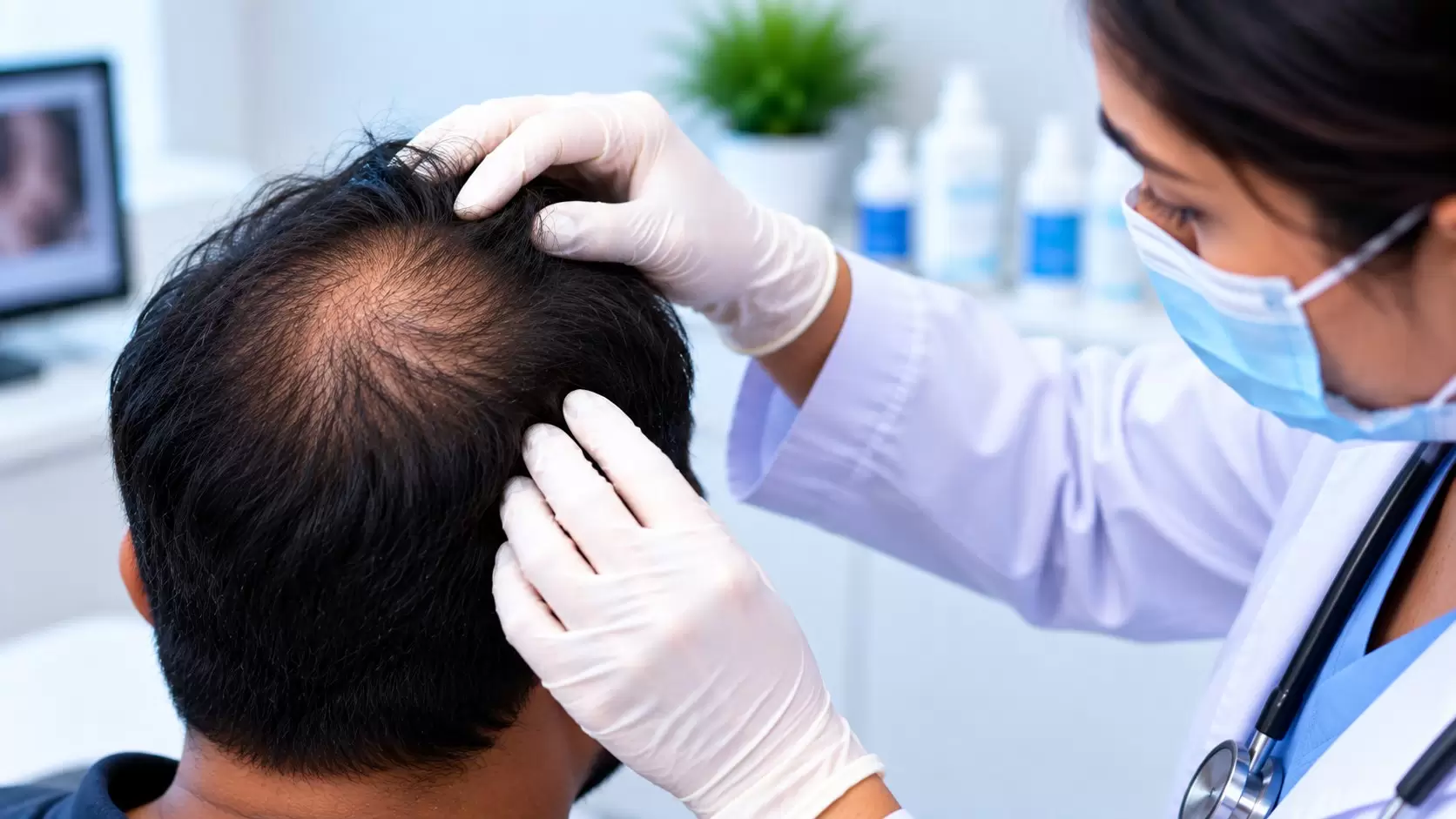
What exactly is dandruff?
Dandruff, also called pityriasis capitis, is generally considered a mild, non-inflamed form of seborrheic dermatitis limited to the scalp. It produces diffuse white or yellowish scale and may cause mild itching.
Seborrheic dermatitis is more inflammatory and can extend beyond the scalp to areas such as the eyebrows, sides of the nose, ears, beard and chest.
Factors involved in dandruff
Malassezia yeast
This yeast is a normal part of the skin microbiome. An individual inflammatory response to Malassezia and its interaction with scalp oils appears to contribute to dandruff and seborrheic dermatitis.
Scalp sebum
Dandruff commonly affects sebum-rich skin. Sebum provides lipids that Malassezia can use, which may help explain why oily areas are commonly involved.
Skin-barrier response
Differences in skin-barrier lipids and individual sensitivity may influence why some people develop visible scale while others with the same normal skin yeast do not.
Inflammation
Seborrheic dermatitis involves inflammation. Dandruff is at the milder end of the spectrum and typically lacks obvious underlying redness.
The role of Malassezia
Malassezia is not an outside infection that you simply “catch.” It normally lives on human skin. DermNet notes that proliferation of Malassezia is believed to play a role in seborrheic dermatitis.
The yeast produces enzymes that act on lipids in sebum, releasing fatty acids that may contribute to irritation and inflammation in susceptible skin. This is one reason antifungal dandruff shampoos can help control symptoms.
Does an oily scalp cause dandruff?
Oil is part of the picture but is not the entire explanation. Seborrheic dermatitis occurs predominantly in areas with high sebum production, including the scalp, face and chest.
An oily scalp can therefore favour the environment associated with dandruff, but simply having oily hair does not mean a person will develop it.
Is dandruff caused by poor hygiene?
No. The American Academy of Dermatology specifically notes that seborrheic dermatitis is not caused by unclean skin. Dandruff can occur even with good personal hygiene.
However, hair-care habits can affect how visible the scale becomes. Appropriate scalp cleansing and medicated shampoo are often important parts of controlling dandruff.
Can stress make dandruff worse?
Stress does not explain every case, but it can contribute to flare-ups. DermNet lists stressful events and lack of sleep among factors associated with seborrheic dermatitis.
That means managing stress may be useful as part of overall care, but persistent dandruff still needs appropriate scalp treatment rather than stress management alone.
Does weather affect dandruff?
Many people notice a seasonal pattern. Seborrheic dermatitis can flare during colder periods and may improve in warmer weather for some individuals.
Indoor heating, changes in humidity and alterations in scalp-care routines may also influence symptoms, so the pattern can vary from person to person.
Dandruff vs dry scalp: not always the same thing
Flaking does not automatically mean dandruff. Dry scalp, eczema, psoriasis, contact dermatitis and fungal scalp infection can produce overlapping symptoms.
Dandruff is associated with seborrheic dermatitis and can occur on an oily scalp. A genuinely dry scalp results from reduced moisture and may require a different care approach.
Our next guide covers this distinction in detail: Dandruff vs Dry Scalp.
Can hair products cause flaking?
Some shampoos, dyes, styling products and fragrances can irritate the scalp or trigger contact dermatitis. This may produce itching, redness and scale that can be mistaken for dandruff.
If symptoms consistently worsen after a particular product, stop using it and consider dermatology assessment if the reaction persists.
Conditions that can look like dandruff
Scalp psoriasis
Often produces more sharply defined plaques and thicker scale and may extend beyond the hairline.
Atopic eczema
Can cause an intensely itchy, inflamed scalp, often with eczema elsewhere on the body.
Contact dermatitis
Hair products can trigger an itchy or burning rash with redness and scale.
Tinea capitis
Fungal infection of the scalp can cause scale with broken hairs or patches of hair loss and requires specific medical treatment.
Why does dandruff keep coming back?
Adult seborrheic dermatitis is commonly chronic or relapsing. Treatment controls the yeast, scale and inflammation, but the underlying tendency may remain.
For this reason, maintenance use of an appropriate anti-dandruff shampoo may be recommended even after the scalp has improved.
What helps control dandruff?
Medicated shampoos may contain active ingredients such as ketoconazole, selenium sulfide, zinc pyrithione, salicylic acid, sulfur or coal tar. Different ingredients target yeast, scale or inflammation in different ways.
How often a shampoo is used and how long it remains on the scalp before rinsing matter. More severe seborrheic dermatitis may require prescription treatment.
For an individual treatment plan, visit Dandruff Treatment in Chennai.
When should you see a dermatologist?
Arrange an assessment when flaking is severe, repeatedly returns despite appropriate dandruff shampoo, or is accompanied by significant redness, pain, crusting, pustules, thick plaques or hair loss.
A dermatologist can distinguish dandruff from psoriasis, eczema, contact dermatitis, fungal infection and other scalp disorders that require different treatment.
Frequently asked questions
What is the main cause of dandruff?
Dandruff is multifactorial. Malassezia yeast, scalp sebum and individual skin-barrier and inflammatory responses are believed to contribute.
Is dandruff caused by poor hygiene?
No. Dandruff is not caused by unclean skin, although hair-care habits can affect how visible oil and scale become.
Is dandruff contagious?
No. Dandruff and seborrheic dermatitis are not contagious.
Can stress make dandruff worse?
Yes, stressful events and lack of sleep can precipitate or worsen seborrheic dermatitis in some people.
When should I see a dermatologist?
Seek assessment when dandruff is severe, persistent despite appropriate shampoo use, or accompanied by marked redness, pain, crusting, hair loss or thick plaques.
Visit us in OMR
Dandruff that keeps returning? Find out what is causing the scalp flaking.
Book a dermatologist consultation at Ram Skin Clinic in Thoraipakkam, Chennai.
#48, Second Floor, Flat E, Best Towers,Okkiampet, Thoraipakkam, OMR,
Chennai – 600097. Above Domino’s Pizza.