
Understanding Xerosis
Causes of Extremely Dry Skin
Dry skin, medically called xerosis, develops when the outer skin layer loses too much moisture. Everyday habits are common causes, but persistent or severe dryness can also be linked with skin conditions, medicines, age or underlying health problems.
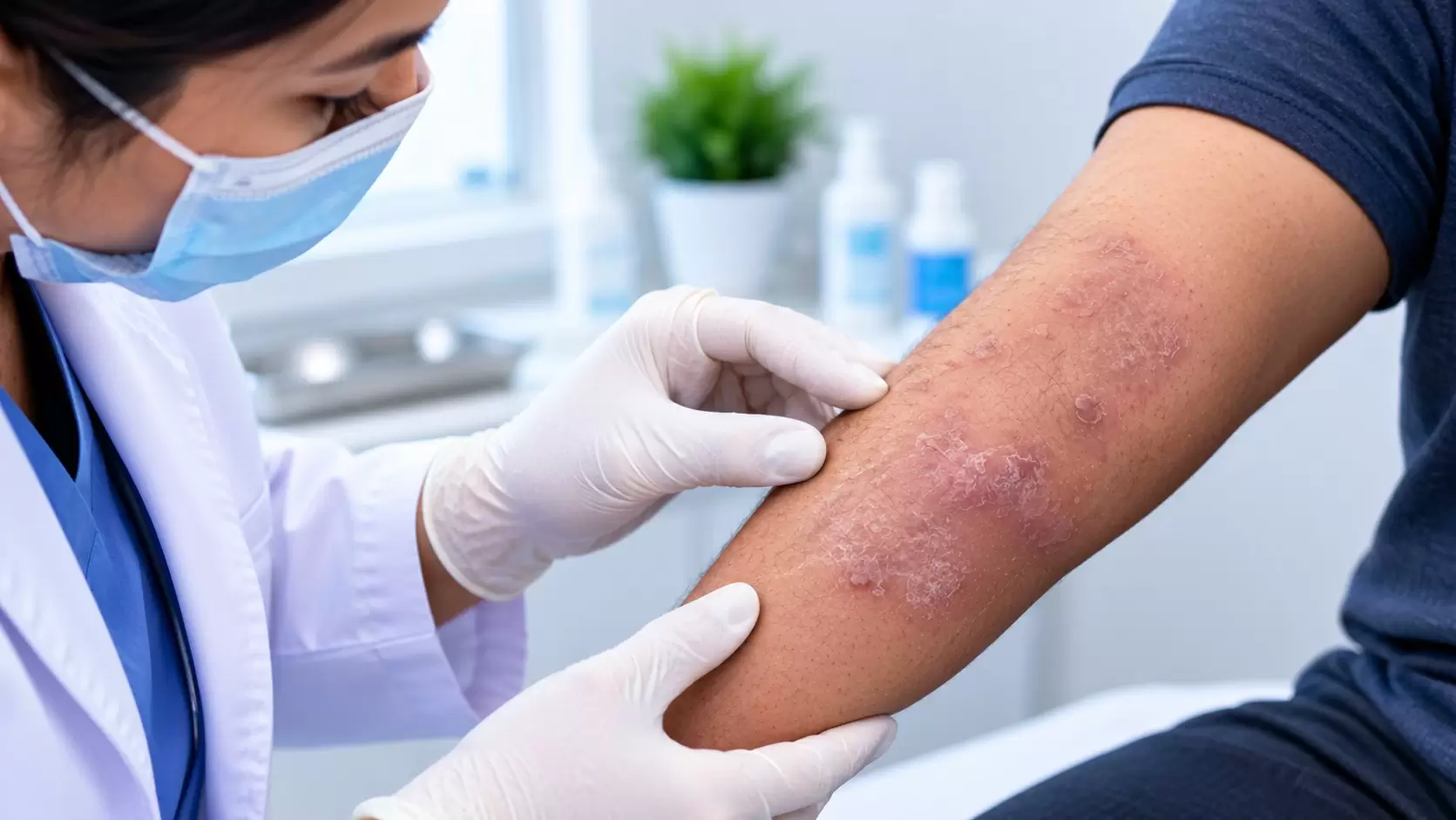
What happens when skin becomes extremely dry?
The outermost skin layer normally helps retain water and protect the body from irritants. When it loses too much moisture, the surface can become rough, flaky, tight and itchy. With increasing dryness, cracks may develop and can sometimes become painful or bleed.
DermNet describes dry skin as a lack of moisture in the stratum corneum, which can lead to cracks in the skin surface. The medical terms include xerosis and xerosis cutis.
Everyday causes of very dry skin
Long, hot showers
Hot water and prolonged bathing can strip protective surface lipids and worsen water loss from the skin.
Harsh soaps and cleansers
Deodorant soaps, strong detergents and fragranced products can remove oils and irritate an already dry skin barrier.
Frequent washing or wet work
Repeated handwashing, prolonged water exposure and contact with cleaning chemicals can produce severe hand dryness.
Dry air
Low humidity and indoor heating or cooling can increase moisture loss, particularly in people already prone to xerosis.
Age and the skin barrier
Dry skin becomes more common with age. The American Academy of Dermatology notes that sebum production decreases as people get older, reducing some of the natural oil that helps keep skin soft.
This does not mean severe dryness should simply be accepted as ageing. Persistent itch, cracking or inflammation can still benefit from a targeted moisturising routine and assessment for contributing skin or medical conditions.
Skin conditions that cause dryness
Sometimes xerosis is part of another dermatological condition rather than an isolated problem.
Atopic dermatitis
Eczema is associated with impaired skin-barrier function and commonly produces dry, itchy and inflamed skin. See Eczema Treatment in Chennai.
Psoriasis
Psoriasis can produce dry, thickened and scaly plaques. See Psoriasis Treatment in Chennai.
Ichthyosis
Inherited or acquired ichthyosis can cause persistent scaling and marked dryness, sometimes beginning early in life.
Other dermatitis
Contact dermatitis and other inflammatory skin disorders can produce dryness, cracking, scaling and itch.
Can medical conditions cause dry skin?
Yes. AAD and MedlinePlus list several systemic conditions that can be associated with excessive dryness, including diabetes, thyroid disease and kidney disease. Dry skin is particularly common in people receiving dialysis.
Dry skin alone does not diagnose any of these conditions. However, widespread or unexplained dryness accompanied by other symptoms may warrant broader medical assessment.
Medicines and treatments can contribute
Certain medicines can contribute to dry skin. The AAD specifically notes medications such as diuretics and statins among possible contributors, while cancer therapies including chemotherapy, targeted therapy and radiation can also cause significant xerosis.
Do not stop a prescribed medicine because of dry skin without speaking to the clinician who prescribed it. The safer approach is to identify the likely cause and adjust skin care or medical management appropriately.
Why moisturiser may not solve the problem
Moisturiser works best when the product and routine match the degree of dryness. A thin lotion may not provide enough occlusion for very dry skin, while repeated hot showers, harsh cleansers or occupational exposure can continue damaging the barrier faster than moisturiser can repair it.
AAD guidance generally favours fragrance-free creams or ointments for excessively dry skin and recommends applying moisturiser while skin is still damp after bathing and again whenever skin feels dry.
Our next article in this cluster will look specifically at Dry Skin vs Eczema.
Signs dryness has become more severe
Persistent itching
Frequent itch can lead to repeated scratching, thickened skin and sleep disturbance.
Deep cracks
Very dry skin can split deeply enough to become painful or bleed.
Inflammation
Redness, darker discoloration, swelling or a new rash can indicate dermatitis or another condition.
Possible infection
Yellow crusting, pus, fluid leakage, swelling or increasing pain needs medical review.
When should you see a dermatologist?
Arrange assessment when dry skin persists despite appropriate moisturising and gentle skin care, becomes painful or severely itchy, cracks or bleeds repeatedly, affects sleep, or is associated with a persistent rash.
Medical review is also useful when dryness begins unexpectedly, is widespread without an obvious environmental cause, or may be related to a medicine or underlying condition.
For local assessment, visit Dry Skin Treatment in Chennai.
Frequently asked questions
What is the medical name for extremely dry skin?
Dry skin is commonly called xerosis, xeroderma or xerosis cutis.
Can hot showers cause dry skin?
Yes. Long, hot showers can strip protective oils from the skin and worsen moisture loss.
Can eczema cause extremely dry skin?
Yes. Atopic dermatitis is associated with impaired skin-barrier function and commonly causes marked dryness and itching.
Can thyroid disease or diabetes cause dry skin?
Dry skin can occur with conditions including thyroid disease and diabetes, but dryness alone cannot diagnose either condition.
Why is my skin still dry after using moisturiser?
The moisturiser may be too light, may not be applied often enough, or ongoing factors such as hot water, harsh cleansers, dry air, dermatitis or another medical issue may continue causing moisture loss.
When is dry skin serious?
Seek assessment when dryness is persistent, painful, severely itchy, repeatedly cracked or bleeding, affects sleep, or develops signs of infection.
For authoritative information, see the American Academy of Dermatology, DermNet and MedlinePlus.
Visit us in OMR
Dry skin not improving?
Book a dermatologist consultation at Ram Skin Clinic in Thoraipakkam, Chennai.
#48, Second Floor, Flat E, Best Towers,Okkiampet, Thoraipakkam, OMR,
Chennai – 600097. Above Domino’s Pizza.