Hair Care & Damage Prevention.
Hair shafts are not living tissue, so once they are significantly weathered or broken they cannot biologically “heal.” The practical goal is to prevent further damage, reduce breakage and identify when apparent damage is actually hair loss or scalp disease.
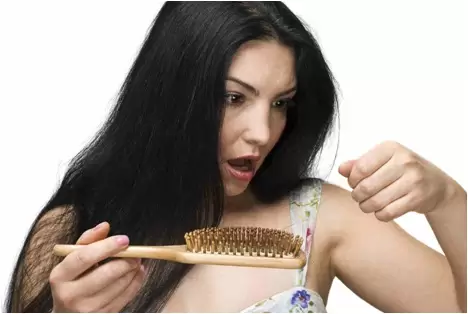
Quick answer: reduce friction, excessive heat, tight hairstyles and repeated chemical processing. Shampoo the scalp gently, condition the lengths, detangle carefully and seek dermatologist assessment if you notice ongoing shedding, widening part lines, bald patches, scalp symptoms or breakage that does not improve.
Damage, breakage and hair loss are not the same.
Hair breakage happens when the shaft becomes weak and snaps. It may create short uneven hairs, split ends, frizz and reduced length retention. Hair loss, by contrast, involves hairs shedding from the follicle or reduced follicular production. A person can have both at the same time.
Heat, bleaching, colouring, straightening, friction and traction can damage the shaft. Diffuse shedding or patterned thinning may instead relate to genetics, illness, nutrition, hormones, medications or scalp disease. Correctly identifying the problem prevents spending months treating “damage” when the main issue is follicular hair loss.
10 ways to reduce hair damage.
1. Shampoo the scalp
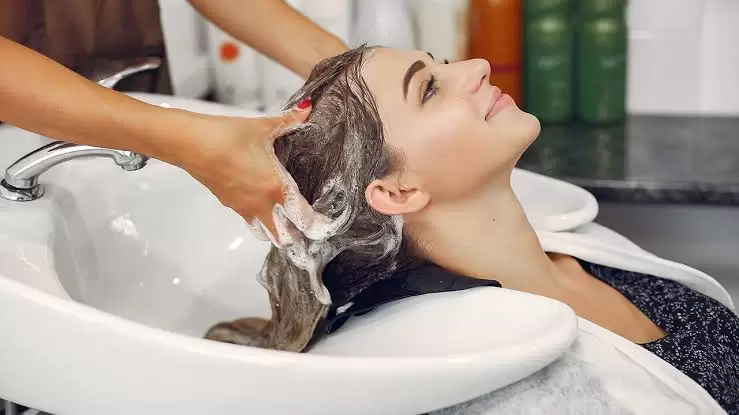
Massage shampoo gently into the scalp rather than aggressively rubbing the full hair length.
2. Condition after washing
Conditioner reduces friction and can make detangling easier, helping limit breakage and split ends.
3. Dry without rubbing
Blot or wrap hair gently instead of rough towel rubbing. Air-dry when practical.
4. Detangle carefully
Use a wide-tooth comb and work from the ends upward. Straight hair is often more fragile when soaking wet.
5. Reduce heat
Use lower heat settings and limit repeated blow-drying, flat ironing and curling.
6. Limit rigid styling
Products that make hair stiff can increase breakage when hair is repeatedly combed or manipulated.
7. Avoid constant tension
Tight ponytails, buns, braids and extensions can cause breakage and, over time, traction alopecia.
8. Be cautious with extensions
Heavy extensions add traction. Give the scalp breaks and address pain, bumps or thinning early.
9. Space chemical services
Bleaching, colouring, perming and relaxing all stress the shaft. Stacking services increases damage.
10. Stop over-brushing
Hair does not need 100 brush strokes. Brush only as needed for styling and detangle without tugging.
How often should you wash your hair?
There is no universal schedule. Frequency depends on scalp oiliness, hair texture, exercise, styling products and scalp conditions. An oily scalp may need more frequent cleansing, while dry or tightly curled hair may tolerate less frequent washing.
Dandruff is a scalp condition rather than simply “dry hair.” If flaking and itching persist, use an appropriate dandruff treatment strategy rather than applying heavy oils indefinitely.
After swimming, rinsing pool water promptly and using shampoo and conditioner can reduce exposure to chemicals that dry the hair shaft.
Colouring, straightening and heat styling.
Permanent colour, bleaching, relaxers and perms alter hair structure and can make the shaft more fragile. If you colour or chemically straighten your hair, space services when possible and avoid combining multiple aggressive processes close together.
Heat damage is cumulative. Let hair partially air-dry, use the lowest effective temperature and reduce the number of passes with straighteners or curling tools. A heat-protectant product may reduce some thermal damage but does not make unlimited heat exposure safe.
Warning sign: scalp burning during a chemical service is not something to “push through.” Rinse as directed and seek medical care for significant burns, blistering or persistent inflammation.
When hairstyles contribute to hair loss.
Repeated tension from tight braids, ponytails, buns, extensions or other styles can lead to traction alopecia. Early traction may be reversible when tension is removed, but longstanding traction can permanently damage follicles.
Watch for tenderness, broken hairs around the hairline, bumps, recession or thinning in areas under tension. Rotate hairstyles, reduce weight and tightness, and seek assessment early if thinning continues.
Signs you may need a hair-loss evaluation.
See a dermatologist if you have sudden heavy shedding, widening of the central part, progressive recession, smooth bald patches, scalp pain or scaling, loss of eyebrows or body hair, or persistent thinning despite gentler hair care.
A medical evaluation may include scalp examination and, when indicated, blood tests or other investigations. Treatment depends on the diagnosis. Procedures such as GFC hair treatment should not replace diagnosing the cause of hair loss first.
Hair damage FAQs.
Can damaged hair repair itself?
The visible hair shaft is not living tissue. Conditioners can improve feel and reduce friction, but severely damaged shaft structure cannot biologically regenerate.
Does cutting hair make it grow faster?
Trimming removes damaged ends but does not change the growth rate of follicles in the scalp.
Is air-drying always better?
Reducing high heat can limit thermal damage, but hair should still be handled gently while wet because wet hair can be vulnerable to breakage.
Can tight hairstyles cause permanent hair loss?
Yes. Longstanding traction can damage follicles permanently, which is why early recognition matters.
How do I know if it is breakage or shedding?
Broken hairs are shorter shaft fragments; shed hairs usually come from the follicle. If the distinction is unclear or thinning is visible, a dermatologist can assess it.
Should I take supplements for damaged hair?
Supplements are not a universal solution. Deficiencies should be identified when clinically suspected, and excessive supplementation can itself be harmful.
Explore related hair care.
Medical reference: American Academy of Dermatology — How to Stop Damaging Your Hair.
Concerned about hair breakage or loss?
Book a consultation at Ram Skin Clinic in Thoraipakkam, Chennai.
#48, Second Floor, Flat E, Best Towers,
Okkiampet, Thoraipakkam, OMR, Chennai – 600097.
78258 33355 · 78259 33355