
Fungal Infection Treatment & Prevention.
Fungal skin infections such as ringworm can cause itchy, scaly or ring-shaped rashes and may spread between people, from animals, or through contaminated personal items. Correct diagnosis matters because several non-fungal rashes can look similar—and steroid misuse can make ringworm harder to recognise and treat.
Book an appointment ↗Skin infection treatment
Quick answer: treatment depends on the fungus and body site. Some superficial infections respond to topical antifungals; scalp, nail, extensive, recurrent or resistant infections may require medical assessment, testing and oral treatment. Avoid self-treating an undiagnosed ring-like rash with steroid-containing combination creams.
What are common fungal skin infections?
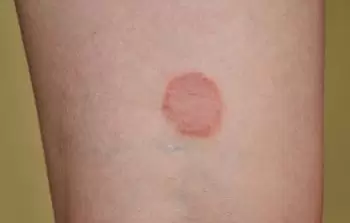
Tinea corporis
Often called ringworm of the body. It may produce expanding, itchy, scaly patches with a more active edge.
Tinea cruris
Jock itch affects the groin and upper inner thighs. Sweat, friction and occlusive clothing can contribute to persistence.
Tinea pedis
Athlete’s foot can cause scaling, itching or fissuring, especially between the toes or on the soles.
Scalp ringworm
Tinea capitis can cause scaling and hair loss and usually requires prescription oral antifungal treatment.
Fungal nail infection
Nails may thicken, discolor or become brittle. Diagnosis can be important because other nail disorders can look similar.
Yeast-related rashes
Candida and Malassezia can contribute to different skin conditions; treatment is not identical to every dermatophyte infection.
Why an itchy rash is not always fungal.
Eczema, psoriasis, contact dermatitis, bacterial infection and other conditions can resemble fungal infection. Steroid creams can temporarily reduce redness while allowing a dermatophyte infection to spread and change appearance—a pattern sometimes called tinea incognito.
When the diagnosis is uncertain, a dermatologist may examine skin scrapings or obtain other samples. Testing is particularly useful for recurrent, widespread, scalp or nail disease and when a rash has failed appropriate treatment.
Important in India: difficult-to-treat and antifungal-resistant dermatophyte infections are an increasing concern. Persistent infection should be reviewed rather than repeatedly changing over-the-counter creams.
How fungal skin infections are treated.
Limited ringworm on the body, groin or feet may respond to an appropriate topical antifungal used for the recommended duration. Treatment should continue exactly as directed rather than stopping the moment itching improves.
Scalp ringworm generally requires oral prescription therapy because creams do not adequately reach infected hair follicles. Nail infections may also require prolonged treatment and confirmation of diagnosis. Extensive, recurrent or treatment-resistant skin infection may need oral antifungals selected according to clinical findings and, when appropriate, testing.
Oral antifungal medicines can have drug interactions and potential adverse effects, so they should not be self-prescribed or repeatedly taken without medical supervision.
Reduce spread and reinfection.
Keep skin dry
Dry carefully after bathing, especially between toes and within skin folds.
Change damp clothing
Change sweaty clothes, socks and underwear rather than remaining in damp fabric for long periods.
Do not share personal items
Avoid sharing towels, clothing, footwear, combs or bedding when infection is suspected.
Use footwear in communal wet areas
Sandals in public showers, pools and locker rooms can reduce exposure.
Check household contacts and pets
Ringworm can spread between people and from animals. Persistent reinfection may require identifying the source.
Wash hands after touching a rash
Avoid scratching and wash hands after applying medication or touching affected skin.
Why steroid-combination creams can be a problem.
Corticosteroids suppress inflammation but do not kill dermatophytes. When used on ringworm without appropriate medical direction, they can allow infection to spread, alter the typical border and make later diagnosis more difficult.
The CDC specifically advises against using steroid creams for ringworm or an undiagnosed rash that might be ringworm. If you have already used a combination cream and the rash is spreading or recurring, bring the product name or tube to your consultation.
See a dermatologist when infection is persistent or extensive.
Medical assessment is especially appropriate for scalp involvement, nail changes, extensive rash, recurrent infection, significant pain or inflammation, diabetes or immune suppression, infection in young children, or failure to improve with correctly used antifungal treatment.
Seek care if a rash is rapidly spreading, has pus or severe pain, or is associated with fever. These features may indicate a different or additional infection.
Fungal infection FAQs.
Is ringworm caused by a worm?
No. Ringworm is a fungal infection; the name comes from the ring-like appearance some rashes develop.
Can fungal infections spread to family members?
Yes. Dermatophyte infections can spread through skin contact and shared towels, clothing, bedding or other contaminated items.
Can I use a steroid cream on ringworm?
Do not use steroid creams on suspected ringworm unless specifically directed by a healthcare professional. Steroids can worsen or disguise fungal infection.
Why does fungal infection keep coming back?
Possible reasons include incomplete treatment, reinfection from contacts or belongings, incorrect diagnosis, infected nails or feet acting as reservoirs, and resistant organisms.
Does scalp ringworm need tablets?
It generally requires prescription oral antifungal treatment because topical creams alone do not adequately treat infection within hair follicles.
How can I prevent athlete’s foot?
Keep feet dry, change socks, avoid sharing footwear and wear sandals in communal showers and locker rooms.
When is testing useful?
Testing can help when diagnosis is uncertain, nail or scalp disease is suspected, infection is recurrent or widespread, or treatment has failed.
Explore related skin care.
Medical references: CDC — Treatment of Ringworm and CDC — Emerging Types of Ringworm.
Get a persistent rash properly assessed.
Book a consultation at Ram Skin Clinic in Thoraipakkam, Chennai.
#48, Second Floor, Flat E, Best Towers,
Okkiampet, Thoraipakkam, OMR, Chennai – 600097.
78258 33355 · 78259 33355
Book an appointment ↗Contact & location