
Dark Marks After Inflammation
Post-Inflammatory Hyperpigmentation: Causes, Treatment & Prevention
A pimple, eczema flare, burn, insect bite or irritated patch can heal but leave a flat dark mark behind. This is called post-inflammatory hyperpigmentation, or PIH, and it is particularly common and persistent in medium to darker skin tones.
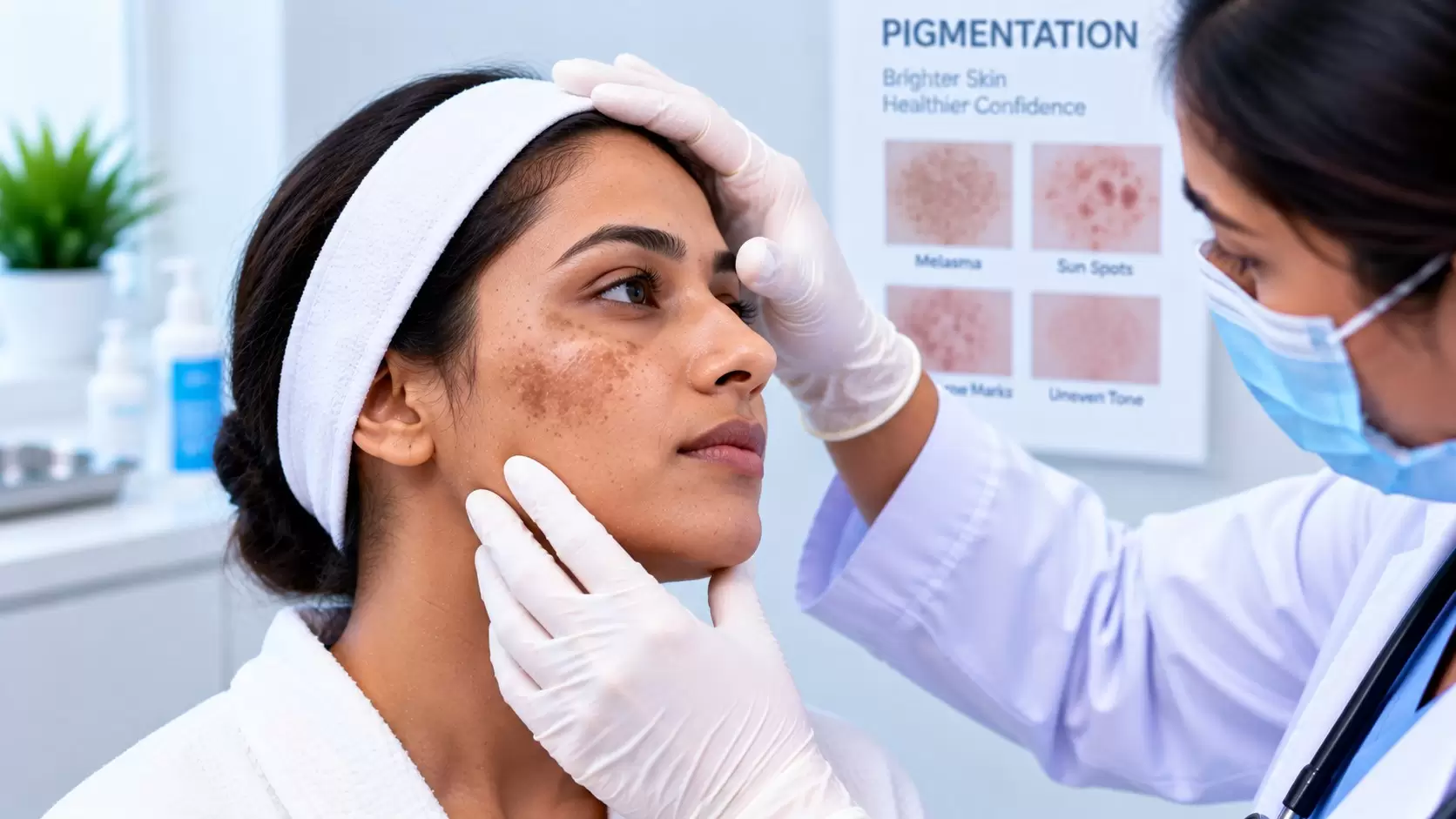
What is post-inflammatory hyperpigmentation?
Post-inflammatory hyperpigmentation is temporary pigmentation that follows inflammation or injury to the skin. It can occur after acne, dermatitis, infection, burns and many other inflammatory conditions.
The dark patch appears at the site of the original problem after or as it heals. Colour can range from light brown to dark brown, black or a grey-brown tone depending on skin tone and the depth of pigment.
Why does inflammation leave a dark mark?
Inflammation in the epidermis can stimulate melanocytes to make more melanin and transfer it to surrounding skin cells. This produces epidermal pigmentation.
If inflammation damages the basal layer, melanin can drop into the dermis and become trapped in macrophages. Deeper dermal pigment often appears more grey, purple-brown or slate coloured and can be slower to clear.
Common triggers of PIH
Acne
Inflamed pimples, nodules and cysts commonly leave flat brown or grey-brown marks after they resolve.
Eczema & dermatitis
Inflammation, scratching and rubbing can all contribute to pigmentation after a flare.
Injury & burns
Cuts, thermal burns, insect bites and other skin injuries can leave pigment during healing.
Irritation & procedures
Harsh products, picking, chemical irritation and overly aggressive procedures can trigger additional inflammation and pigmentation.
Why acne often causes post-inflammatory hyperpigmentation
Acne creates inflammation in and around the hair follicle. As the lesion heals, melanocytes can remain activated and leave a flat dark mark where the pimple was.
These marks are not the same as true acne scars. A scar changes skin texture by creating a depression or raised area, while PIH is primarily a colour change.
Controlling new breakouts is essential because every new inflamed lesion can create another mark. See Acne Treatment in Chennai.
Who is more likely to develop PIH?
PIH can occur in any skin tone, but it is more common, often more intense and can persist longer in darker skin types. This makes preventing unnecessary inflammation particularly important.
The severity of the original inflammation also matters. Picking, squeezing, scratching or repeatedly irritating a lesion can increase inflammation and the risk of a darker mark.
Does PIH get darker in the sun?
Yes. Ultraviolet exposure can darken post-inflammatory pigmentation. Consistent broad-spectrum sun protection helps prevent existing marks from becoming darker while they fade.
Sun protection is especially important on exposed sites such as the face, neck and arms. It also helps prevent overlapping sun-induced pigmentation that can make the skin tone appear more uneven.
How long does post-inflammatory hyperpigmentation last?
PIH often fades gradually once the underlying inflammation has stopped, but there is no single timeline. Superficial epidermal pigment generally clears faster than pigment deposited deeper in the dermis.
Some acne-related dark marks can remain visible for months or longer. Ongoing acne, repeated irritation and sun exposure can continually create or darken pigmentation, making it seem as though old marks never clear.
First step: stop creating new pigmentation
The most effective plan treats the cause of inflammation as well as the pigment. For acne-related PIH, that means controlling acne. For eczema, dermatitis or another inflammatory disorder, the underlying disease needs treatment.
Trying to lighten marks while new inflammation continues is usually frustrating because fresh pigmentation keeps appearing.
Skin care for post-inflammatory hyperpigmentation
Use a gentle cleanser, moisturiser appropriate for your skin type and daily sunscreen. Avoid aggressive scrubbing, picking and combinations of active ingredients that repeatedly burn or sting.
Skin irritation is itself an inflammatory trigger, so an overly aggressive “brightening” routine can make PIH worse rather than better.
Topical treatments dermatologists may use
Depending on the cause and skin type, topical options can include azelaic acid, retinoids, hydroquinone and other pigment-modulating ingredients. Combination treatment is often more effective than relying on a single product.
Azelaic acid can be particularly useful when acne and post-acne pigmentation occur together because it can help treat acne as well as the dark marks that remain after lesions clear.
What about chemical peels and procedures?
Chemical peels and selected laser or light treatments can help some forms of epidermal pigmentation, but procedures can also aggravate PIH by creating additional epidermal injury.
This risk is particularly relevant in pigment-prone skin. Treatment intensity, device settings, skin preparation and aftercare matter. Deeper dermal pigmentation may also respond poorly to procedures designed for superficial pigment.
PIH vs melasma: how are they different?
PIH develops at the site of previous inflammation or injury. Melasma usually produces bilateral blotchy facial pigmentation and is influenced by light exposure, hormones and genetic susceptibility.
Both conditions can occur together. Read Hyperpigmentation vs Melasma for a detailed comparison.
PIH vs acne scars
A flat dark mark left after acne is usually PIH. A true acne scar changes the skin surface—such as an ice-pick, rolling or boxcar depression, or a raised hypertrophic or keloid scar.
This distinction matters because treatments aimed at colour are different from procedures used to remodel scar texture.
How to prevent post-inflammatory hyperpigmentation
Treat inflammation early
Control acne, eczema and other inflammatory conditions before repeated flares create more marks.
Do not pick or squeeze
Additional trauma increases inflammation and can increase both pigmentation and scarring risk.
Protect from sunlight
Broad-spectrum sunscreen helps prevent UV exposure from darkening existing pigmentation.
Avoid irritating routines
Stop products that repeatedly burn or inflame the skin and introduce active ingredients carefully.
When should you see a dermatologist?
Consider assessment when pigmentation is persistent, worsening, widespread, difficult to distinguish from melasma or another pigment disorder, or when acne or eczema continues to create new marks.
A dermatologist can identify whether pigment is predominantly superficial or deeper, treat the underlying inflammatory condition and choose topical or procedural options appropriate for your skin tone.
For assessment and treatment, visit Pigmentation Treatment in Chennai.
Frequently asked questions
What is post-inflammatory hyperpigmentation?
Post-inflammatory hyperpigmentation is temporary darkening that develops after skin inflammation or injury. It occurs when inflammation stimulates excess melanin production or pigment becomes deposited deeper in the skin.
Does post-inflammatory hyperpigmentation go away?
Many epidermal dark marks gradually fade, but the process can take months and deeper dermal pigmentation can persist much longer. Continued inflammation and sun exposure can delay improvement.
Why does acne leave dark spots?
Inflammation from acne can stimulate melanocytes to produce extra melanin. The resulting flat brown or grey-brown mark is post-inflammatory hyperpigmentation rather than a true acne scar.
Can sunscreen help post-inflammatory hyperpigmentation?
Yes. Sun protection helps prevent ultraviolet exposure from darkening existing pigmentation and is an important part of treatment for exposed skin.
Can chemical peels or lasers worsen pigmentation?
They can. Procedures that irritate or injure the epidermis may aggravate post-inflammatory hyperpigmentation, particularly in pigment-prone skin, so patient selection and technique are important.
Visit us in OMR
Dark marks lingering after acne or irritation? Treat the cause as well as the pigment.
Book a dermatologist consultation at Ram Skin Clinic in Thoraipakkam, Chennai.
#48, Second Floor, Flat E, Best Towers,Okkiampet, Thoraipakkam, OMR,
Chennai – 600097. Above Domino’s Pizza.