
Hair & Scalp Assessment
in Chennai.
Hair loss can have several causes, and treatment is more useful when it follows a clear diagnosis. A dermatologist-led hair and scalp assessment reviews the pattern of loss, scalp findings, medical history and other factors before deciding whether additional examination or tests are needed.
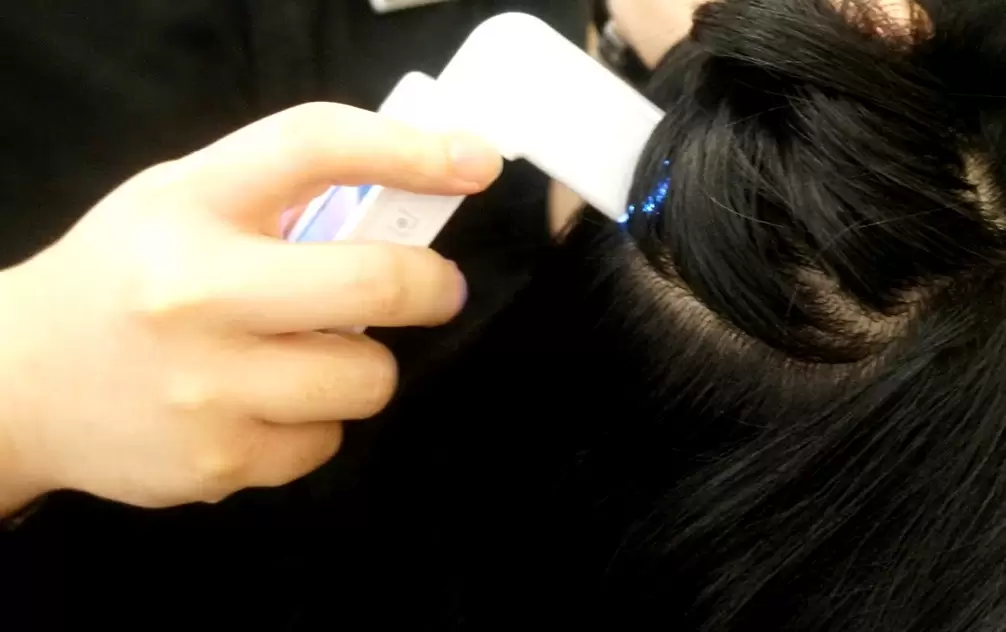
What does a hair-loss assessment involve?
The consultation usually begins with the onset and pattern of hair shedding or thinning, family history, recent illness or stress, medicines, diet, hair-care practices and associated scalp symptoms. The scalp and hair are then examined for distribution, density, inflammation, scaling, breakage and signs of scarring.
Magnified examination of the hair and scalp may be used when clinically appropriate. The exact assessment method depends on the presentation and available equipment; not every patient requires the same tests.
Conditions that may look similar
Androgenetic hair loss commonly produces progressive thinning in characteristic distributions.
Diffuse shedding can follow illness, physiological stress or other triggers and differs from patterned thinning.
This immune-mediated condition often causes smooth patches but can have other patterns.
Dandruff, psoriasis, fungal infection, inflammation and scarring disorders can affect the scalp and hair.
Are blood tests always required?
No. Tests are selected according to the history and examination. In appropriate cases, a dermatologist may investigate factors such as anaemia, iron status, thyroid disease or other suspected contributors. Broad testing without a clinical indication is not necessary for every person with hair fall.
Why diagnosis matters before treatment
Hair fall is a symptom rather than a single disease. Products or procedures that may help one condition can be inappropriate for another. Establishing the likely diagnosis also helps set realistic expectations because hair growth occurs slowly and some disorders require long-term management.
For more information, see Hair Loss Treatment in Chennai, Alopecia Areata Treatment, and our guide to common causes of hair loss.
Frequently asked questions
No. Diagnosis combines history and clinical examination, with magnification or tests used when they add useful information.
Clinical photographs and repeat examination can sometimes help document change over time, depending on the condition and treatment.
Not routinely. Supplements are most appropriate when there is a relevant dietary issue or deficiency rather than as a universal treatment for hair loss.
Seek assessment for sudden or patchy loss, scalp inflammation, scarring, substantial persistent shedding, or progressive thinning that concerns you.
Concerned about hair fall or scalp changes?
Book a dermatologist-led hair and scalp assessment at Ram Skin Clinic in OMR to identify the pattern and plan appropriate next steps.
Medical information on this page is general and does not replace an in-person diagnosis. Treatment choice depends on examination and individual clinical factors.