
Alopecia Areata Treatment
in Chennai.
Alopecia areata is an immune-mediated condition that commonly causes sudden, smooth patches of hair loss. Dermatologist assessment helps confirm the diagnosis, assess the extent of hair loss and select treatment according to age, site, severity and disease activity.
What is alopecia areata?
Alopecia areata occurs when immune activity targets hair follicles, leading to non-scarring hair loss. It most often affects the scalp but can involve the beard, eyebrows, eyelashes or other hair-bearing areas. Some people develop one or a few patches, while others have more extensive disease.
The course varies considerably. Hair can regrow spontaneously in some cases, while other people experience recurrent or persistent episodes. It should therefore not be described as a condition that is always easy to treat or predict.
Signs a dermatologist may look for
Areas of hair loss often have relatively normal-looking skin without the scale or scarring seen in some other scalp disorders.
Characteristic hairs around an active patch can sometimes support the diagnosis.
Fine pitting or other nail changes can occur in some people with alopecia areata.
Diffuse hair loss and more extensive scalp or body involvement are possible and require careful assessment.
How alopecia areata is diagnosed
Diagnosis is usually based on examination of the scalp or affected area. Dermoscopy or trichoscopy can provide additional clues. If the appearance is atypical, the dermatologist may consider tests or, less commonly, a biopsy to exclude another cause of hair loss.
Blood tests are not automatically required for every patient. They may be considered when symptoms or history suggest an associated condition or nutritional issue.
Treatment options
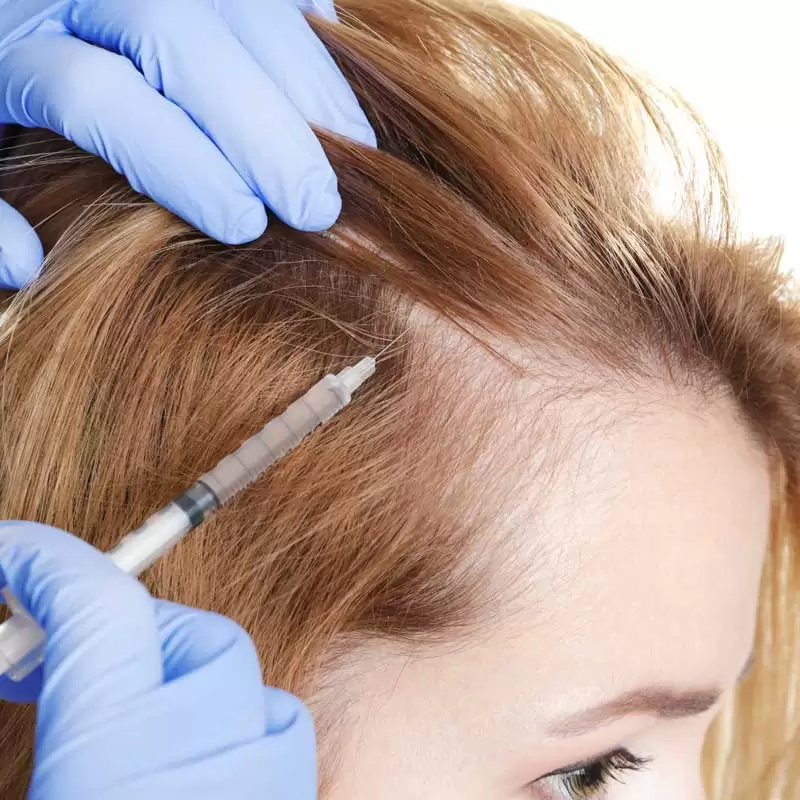
Treatment is individualised. Depending on age, location and extent, a dermatologist may consider topical or injected corticosteroids and other anti-inflammatory or immune-directed therapies. Extensive or difficult disease may require specialist systemic treatment. Availability and suitability of individual medicines depend on clinical circumstances and current regulatory guidance.
Because alopecia areata can fluctuate naturally, response and regrowth cannot be guaranteed. The aim is to select a proportionate treatment while monitoring progress and adverse effects.
Alopecia areata vs general hair loss
“Alopecia” simply means hair loss, but alopecia areata is a specific diagnosis. Pattern hair loss, telogen effluvium, nutritional deficiency, scalp inflammation and other conditions require different evaluation and management.
For a broader overview, visit our Hair Loss Treatment in Chennai page. You can also read about common causes of hair loss and telogen effluvium.
Frequently asked questions
No. Alopecia areata is not an infectious condition and cannot be passed from person to person.
Regrowth is possible and sometimes occurs spontaneously, but the course is variable. Recurrence can occur even after successful regrowth.
It is classed as a non-scarring alopecia, so follicles are generally preserved, although disease course and treatment response vary.
No. Fungal infection, traction, pattern hair loss and other conditions can produce hair loss, so diagnosis matters before treatment.
Patchy or sudden hair loss?
Book a dermatology consultation at Ram Skin Clinic in OMR for assessment of alopecia areata and an appropriate treatment plan.
Medical information on this page is general and does not replace an in-person diagnosis. Treatment choice depends on examination and individual clinical factors.