
Understanding Hyperpigmentation
Causes of Skin Pigmentation: Why Dark Spots & Patches Develop
Skin colour is produced mainly by melanin. When pigment-producing cells become more active or pigment accumulates after inflammation, the skin can develop darker spots, patches or an uneven tone.
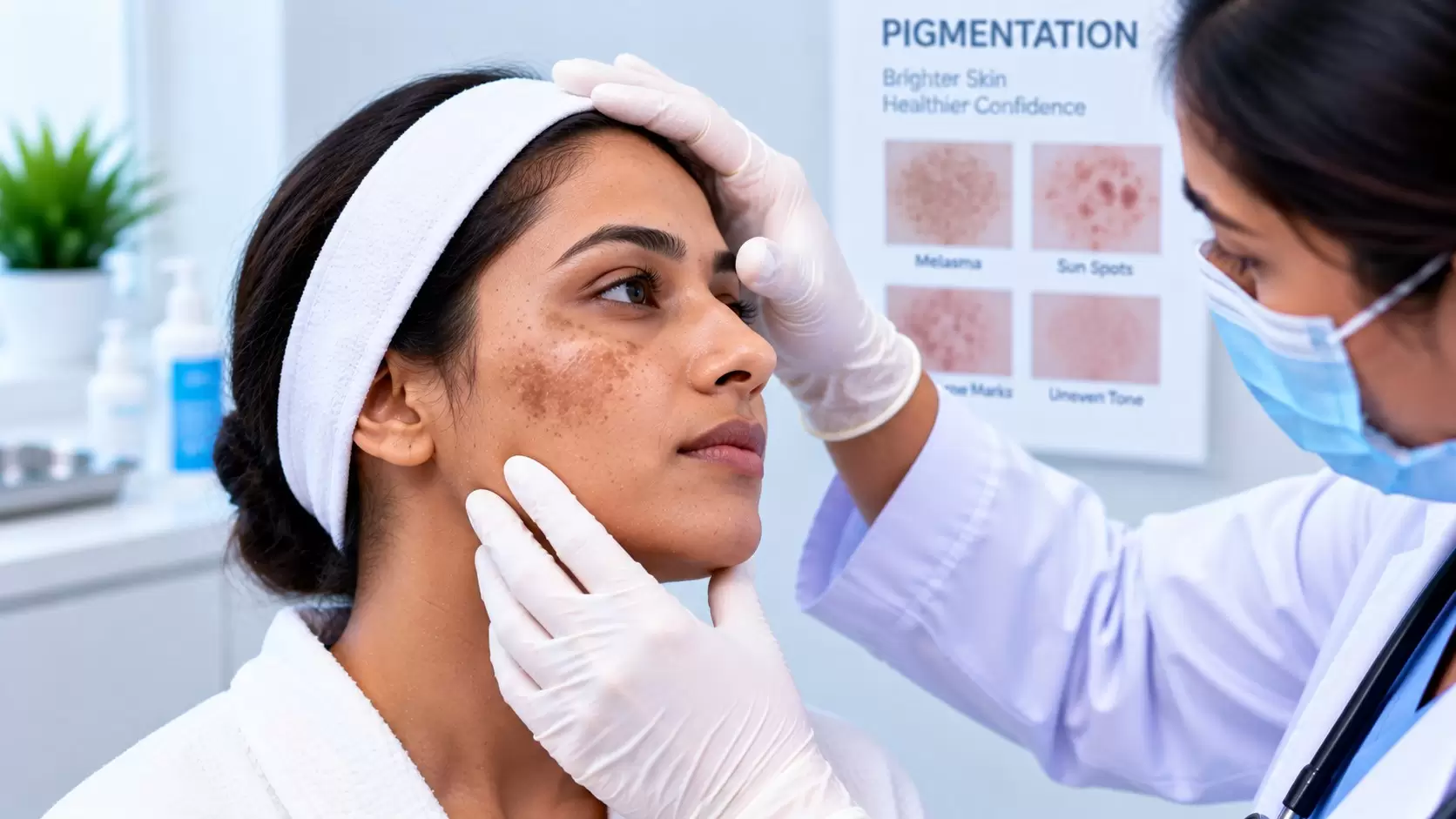
What does skin pigmentation mean?
Pigmentation refers to the colour of the skin. Melanin is produced by cells called melanocytes and helps determine normal skin colour.
Hyperpigmentation means an area appears darker than the surrounding skin. It can be localised to individual spots or involve larger patches. Different disorders can look similar, so identifying the pattern and cause is important before treatment.
Common causes of hyperpigmentation
Sun and visible light
Light exposure stimulates melanin production and can darken existing pigmentation, particularly melasma and post-inflammatory marks.
Inflammation
Acne, eczema, psoriasis, infections, burns and other skin injuries can leave post-inflammatory hyperpigmentation after healing.
Hormonal influences
Pregnancy and hormonal medicines can contribute to melasma in susceptible people.
Medicines & products
Certain medicines can cause pigmentation, while irritating skin or hair-care products may trigger inflammation followed by darkening.
1. Sun exposure and pigmentation
Ultraviolet radiation stimulates the skin to produce more melanin. Visible light can also contribute to melasma, especially in darker skin tones.
Sun exposure can make existing pigmentation more noticeable and can slow improvement. This is why consistent photoprotection is a core part of managing many pigmentary disorders.
2. Melasma
Melasma causes brown or sometimes grey-brown patches, most often on the face. It commonly affects both sides of the face and frequently involves the cheeks, forehead, nose, upper lip or chin.
Melasma is complex. Sunlight, visible light, genetic susceptibility and hormonal influences can all contribute. Pregnancy and some hormonal contraceptives are recognised triggers in susceptible people.
3. Post-inflammatory hyperpigmentation
Post-inflammatory hyperpigmentation, or PIH, develops after the skin has been inflamed or injured. Inflammation stimulates melanocytes to produce extra melanin, which remains visible after the original problem settles.
PIH can occur in any skin tone but is often more noticeable and longer-lasting in darker skin. Acne, eczema, psoriasis, insect bites, burns and other injuries can all leave dark marks.
4. Acne and dark marks
Acne is one of the most common triggers of facial PIH. A pimple can heal flat but leave a brown or grey-brown mark for weeks or months.
These flat colour changes are different from true acne scars, which involve a change in skin texture. Treating active acne early helps reduce the inflammation that produces new marks.
For active breakouts, see Acne Treatment in Chennai.
5. Eczema, psoriasis and other inflammation
Inflammatory skin diseases can leave temporary darker colour after a flare settles. Scratching and rubbing can add further inflammation and make the pigmentation more pronounced.
The first priority is controlling the underlying skin disease. Trying to lighten pigmentation while eczema or another inflammatory condition remains active can irritate the skin and create more pigment.
6. Skin injury, burns and procedures
Cuts, burns, insect bites and other injuries can leave pigmentation as the skin heals. Cosmetic procedures can also trigger PIH if they create enough inflammation, particularly in pigment-prone skin.
Chemical peels, lasers and other procedures therefore need appropriate patient selection and settings. More aggressive treatment is not automatically better for pigmentation.
7. Irritating skin-care and hair-care products
A product that repeatedly burns, stings or causes dermatitis can create inflammation and subsequently darker marks. Fragrance, harsh exfoliation and unsuitable active ingredients can all contribute in susceptible skin.
When pigmentation follows irritation, stopping the trigger and restoring the skin barrier is important before introducing additional pigment treatments.
8. Hormonal changes and pregnancy
Hormonal changes are strongly associated with melasma. Pregnancy can trigger melasma, and hormonal contraceptives or hormone therapies may contribute in some people.
Hormones are not the only factor: light exposure and genetic susceptibility interact with hormonal influences, which is one reason melasma can persist or recur.
9. Medicines that can cause pigmentation
Drug-induced pigmentation can occur through several mechanisms, including increased melanin production, deposition of the drug or its metabolites, and inflammation followed by pigment deposition.
Examples vary widely and include some antimalarial medicines, certain chemotherapy drugs, amiodarone and other medications. The colour and distribution can provide clues.
10. Friction and repeated irritation
Repeated rubbing, scratching or inflammation in areas such as the neck, underarms, thighs or waist can contribute to darkening. However, not every dark area in a skin fold is caused by friction.
Thickened, velvety pigmentation in body folds can have other causes and should be assessed rather than repeatedly scrubbed or bleached.
Why pigmentation is often more persistent in darker skin tones
Post-inflammatory pigmentation tends to be more noticeable and can persist longer in medium to dark skin tones. This makes preventing unnecessary inflammation particularly important.
Harsh scrubs, inappropriate peels and irritating combinations of active ingredients can worsen the problem they are intended to treat.
Not every dark spot is the same condition
Dark patches can represent melasma, PIH, lentigines, pigmented contact dermatitis, drug-related pigmentation, moles or other skin disorders. Rarely, a changing dark lesion can represent skin cancer.
A dermatologist may use clinical examination and dermoscopy, and occasionally other tests, to distinguish conditions that look similar.
How dermatologists identify the cause of pigmentation
The assessment considers when the pigmentation began, its distribution, preceding acne or rash, sun exposure, pregnancy or hormonal factors, medicines, cosmetic products and previous procedures.
Once the cause is identified, treatment can target both the pigment and the process creating it. For example, acne-related PIH requires acne control, while melasma requires sustained light protection as part of the plan.
When should pigmentation be checked?
See a dermatologist for new or unexplained pigmentation, a persistent or rapidly changing patch, a mole or dark lesion that changes in size, shape or colour, or pigmentation accompanied by other skin symptoms.
Assessment is also useful when dark marks keep returning despite skin care, or when you are considering prescription lightening treatments, chemical peels or device-based procedures.
For evaluation and treatment options, visit Pigmentation Treatment in Chennai.
Frequently asked questions
What causes skin pigmentation?
Dark pigmentation can result from increased melanin production triggered by sun exposure, hormones, inflammation, acne, skin injury, irritation, medicines or specific pigmentary disorders such as melasma.
Why does acne leave dark marks?
Inflammation from acne can stimulate melanocytes to produce extra melanin, leaving post-inflammatory hyperpigmentation after the acne lesion heals.
Can sun exposure make pigmentation darker?
Yes. Ultraviolet and visible light can stimulate melanin production and worsen conditions such as melasma and post-inflammatory hyperpigmentation.
Can skin-care products cause pigmentation?
Products that irritate or inflame the skin can trigger post-inflammatory hyperpigmentation, particularly in skin that is prone to pigment changes.
When should pigmentation be checked by a dermatologist?
Assessment is useful for new, changing, persistent or unexplained pigmentation, a changing mole or dark lesion, or pigmentation that does not improve despite appropriate skin care and sun protection.
Visit us in OMR
Not sure what is causing your pigmentation? Start with the right diagnosis.
Book a dermatologist consultation at Ram Skin Clinic in Thoraipakkam, Chennai.
#48, Second Floor, Flat E, Best Towers,Okkiampet, Thoraipakkam, OMR,
Chennai – 600097. Above Domino’s Pizza.