
Mole Removal & Healing
Mole Removal Aftercare
Good wound care after mole removal helps the skin heal, reduces avoidable complications and can help the eventual scar become less noticeable.
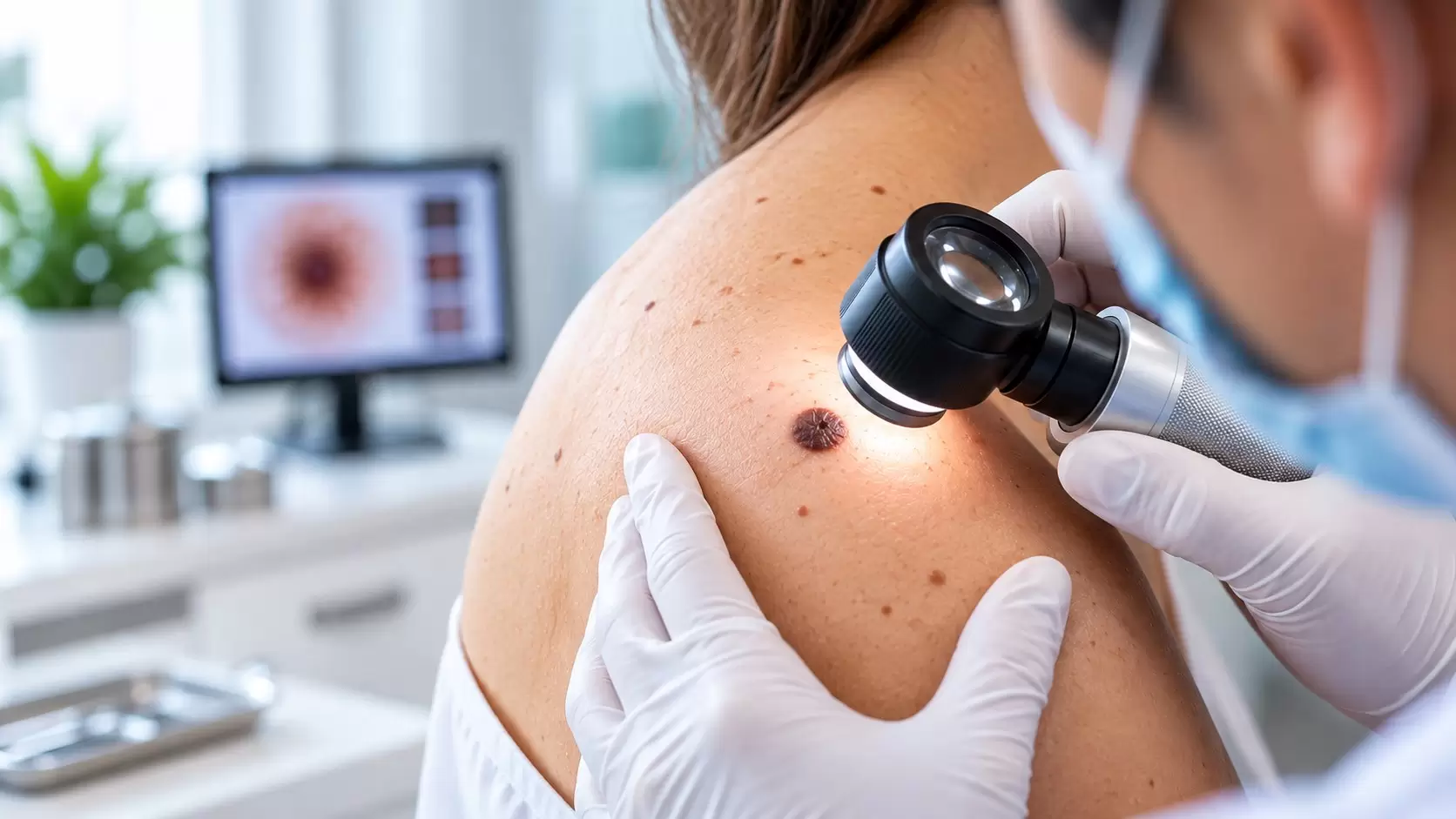
What happens after mole removal?
The aftercare you need depends on how the mole was removed, its size and location, whether stitches were used, and your individual healing response. A dermatologist may use surgical excision or shave removal depending on the lesion and the reason for removal.
After an excision, the wound may be closed with stitches and covered with a dressing. A shave-removal site may heal as an open superficial wound. Your dermatologist’s instructions should take priority over generic advice because dressings, cleansing schedules and stitch-removal timing vary by procedure and body site.
Practical wound-care steps
Protect the dressing
Keep the initial dressing in place for the period your dermatologist recommends. After skin excision, instructions commonly include keeping the wound dry initially and then gently cleaning it once permitted.
Clean gently
When you have been told it is safe to clean the site, use gentle washing rather than scrubbing. The American Academy of Dermatology recommends mild soap and water for many minor surgical wounds and biopsy sites.
Maintain a healing environment
For many wounds, dermatologists may recommend a thin layer of petroleum jelly and a clean dressing to maintain moisture and protect the site. Use the product and dressing schedule specifically advised for your wound.
Avoid pulling the wound
Strenuous activity, stretching and friction can place tension on a newly closed wound. Restrictions depend on the body site and whether stitches were used, so follow the activity advice provided after your procedure.
Bleeding, swelling and normal healing
Mild tenderness, a small amount of bruising or limited swelling can occur after skin surgery. If bleeding occurs, DermNet advises applying firm, continuous pressure over the dressing for about 20 minutes without repeatedly lifting it to check. Persistent or heavy bleeding needs medical attention.
Healing does not finish when the surface closes. Scar remodelling continues for months, and a new scar can initially look pink, red or raised before gradually becoming less noticeable. Learn more in our guide, Does Mole Removal Leave a Scar?
Do not pick at the wound
Picking crusts, scratching the area or repeatedly disturbing the dressing can traumatise healing skin. Protect the site from rubbing and allow the wound to heal according to the instructions you were given.
How can you help minimise the scar?
No mole-removal technique can guarantee a scar-free result. The eventual appearance depends on the depth and size of the wound, body location, tension, infection, skin type and individual tendency toward hypertrophic or keloid scarring.
Appropriate wound care can support good healing. Once the wound has completely healed, sun protection is also useful because ultraviolet exposure can make healing marks more noticeable. If you have previously developed thick or raised scars, tell your dermatologist before a procedure.
For an overview of removal techniques and their differences, see Mole Removal Methods.
When should you contact your dermatologist?
Seek medical advice if the wound becomes increasingly red, swollen or painful, develops pus or significant discharge, opens up, or continues to bleed despite firm pressure. Fever or feeling significantly unwell also warrants prompt medical attention.
If a removed mole appears to grow back, arrange a review rather than attempting to remove it yourself. The AAD advises dermatologist assessment when a mole returns after removal. If you are concerned about a new or changing mole elsewhere, read When to Get a Mole Checked and our guide to a normal mole vs suspicious mole.
Frequently asked questions
How long should I keep a mole-removal wound covered?
This varies with the removal method, wound and dressing. Follow the instructions from your dermatologist rather than using one fixed schedule for every mole removal.
Can I shower after mole removal?
Your dermatologist will tell you when the wound can get wet. After an excision, some instructions recommend keeping the wound dry for an initial period before gentle washing. Timing varies, so use your procedure-specific instructions.
What should I do if the wound bleeds?
Apply firm, continuous pressure with a clean folded cloth or over the existing dressing for about 20 minutes. If bleeding does not stop or is heavy, seek medical attention.
How do I know if the wound may be infected?
Increasing redness, swelling, pain, warmth, pus or discharge can be warning signs. Contact your dermatologist promptly if these develop.
Should I use an antibiotic cream?
Do not add medicines to the wound unless they were recommended for you. For many uncomplicated wounds, gentle cleansing, petroleum jelly and an appropriate dressing may be used, but follow the specific plan provided by your dermatologist.
What if the mole comes back?
Arrange a dermatologist review. A recurrent mole should be assessed rather than repeatedly removed at home.
For personalised assessment and removal planning, visit our Mole Assessment & Removal in Chennai page. For authoritative patient information, see the American Academy of Dermatology and DermNet.
Visit us in OMR
Concerned about a mole or healing wound?
Book a consultation at Ram Skin Clinic in Thoraipakkam, Chennai.
#48, Second Floor, Flat E, Best Towers,Okkiampet, Thoraipakkam, OMR,
Chennai – 600097. Above Domino’s Pizza.